
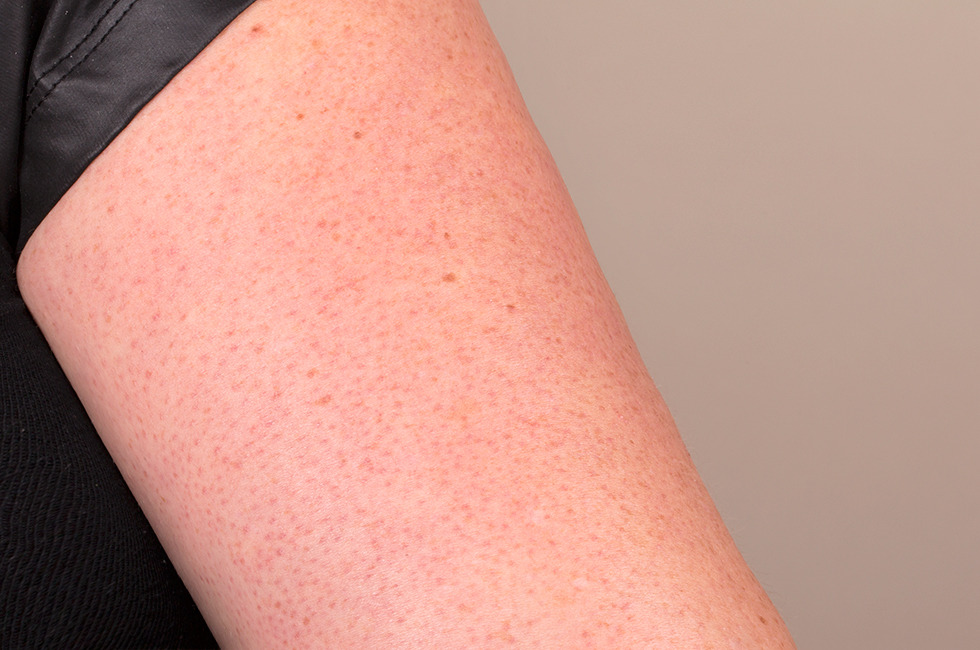
Creme Keratosis pilaris, sometimes called “chicken skin,” is a common skin condition that leaves small, rough bumps on areas like the upper arms, thighs, buttocks, or cheeks. These bumps form when keratin, a skin protein, clogs hair follicles, creating a bumpy texture that can feel like sandpaper. While it’s harmless, keratosis pilaris can make you self-conscious about your skin’s appearance. The good news is that using a creme keratosis pilaris can help smooth your skin and reduce those bothersome bumps.
This guide explains what keratosis pilaris is, why it happens, and how to pick the best creme keratosis pilaris for your needs. We’ll also share tips for building a skincare routine and other ways to manage the condition. Whether your keratosis pilaris is mild or stubborn, this post offers practical advice to help you achieve smoother skin.
Understanding Keratosis Pilaris
Keratosis pilaris affects about 50% to 80% of teens and around 40% of adults at some point. It happens when excess keratin builds up and blocks hair follicles, forming small, hard bumps that may appear red, white, or skin-colored. These bumps are most common on the upper arms, thighs, buttocks, and sometimes the face, where they’re often mistaken for acne.
The condition tends to run in families, so if your relatives have it, you might too. It’s also more likely if you have dry skin or conditions like eczema. While there’s no cure, using a creme keratosis pilaris can significantly improve the skin’s texture and reduce redness, making it a key tool for managing symptoms.
Why Choose a Creme Keratosis Pilaris?
A creme keratosis pilaris works by combining exfoliation and hydration, two essentials for treating this condition. Exfoliation clears away the keratin buildup, while hydration keeps the skin soft and prevents dryness, which can worsen symptoms. These creams often contain ingredients that gently exfoliate while moisturizing, helping to smooth rough patches and reduce the appearance of bumps.
Using a creme keratosis pilaris regularly can make your skin feel softer and look clearer. It’s a simple, non-invasive way to manage keratosis pilaris at home, and with so many options available, you can find one that fits your skin type and budget.
Key Ingredients in a Creme Keratosis Pilaris
When shopping for a creme keratosis pilaris, check the ingredients list to ensure it’s effective. Here are the top ingredients to look for and how they help:
1. Lactic Acid
Lactic acid, an alpha hydroxy acid (AHA), gently exfoliates by breaking down dead skin cells. It also hydrates, making it ideal for keratosis pilaris. Look for a creme keratosis pilaris with 10% to 15% lactic acid, like AmLactin KP Bumps Be Gone, which is dermatologist-recommended for its exfoliating power.
2. Salicylic Acid
Salicylic acid, a beta hydroxy acid (BHA), unclogs pores and smooths bumpy skin. It’s great for reducing redness around bumps. CeraVe SA Smoothing Cream, which pairs salicylic acid with ceramides, is a popular choice for strengthening the skin barrier.
3. Urea
Urea hydrates the skin while providing mild exfoliation, making it perfect for dry, rough patches. A creme keratosis pilaris with 10% to 20% urea, like Inkey List SuperSolutions 10% Urea Moisturizer, can soften bumps over time.
4. Glycolic Acid
Glycolic acid, another AHA, promotes cell turnover and clears clogged follicles. Products like Glytone’s KP Kit, which includes a glycolic acid lotion, are effective for managing keratosis pilaris.
5. Moisturizing Ingredients
A good creme keratosis pilaris should include hydrating ingredients like shea butter, glycerin, or hyaluronic acid to combat dryness. First Aid Beauty Ultra Repair Cream, with shea butter and colloidal oatmeal, is excellent for sensitive skin.
6. Soothing Ingredients
Ingredients like aloe vera or centella asiatica can calm redness and irritation. ProCure Keratosis Pilaris Cream, with willow bark and coconut oil, is a gentle option for those with sensitive skin.
Best Creme Keratosis Pilaris Products
Here are some top-rated creams for keratosis pilaris, based on dermatologist recommendations and user feedback:
- AmLactin KP Bumps Be Gone (3 oz, ~$27.75)
This creme keratosis pilaris uses 15% lactic acid for strong exfoliation and hydration. It’s fragrance-free and works well with daily use, with many users seeing smoother skin in weeks. - CeraVe SA Smoothing Cream (8 oz, ~$20)
Combining salicylic acid and ceramides, this creme keratosis pilaris is affordable and effective. It exfoliates while supporting the skin barrier, making it a favorite for many. - Inkey List SuperSolutions 10% Urea Moisturizer (1.7 oz, ~$20)
This creme keratosis pilaris blends urea and colloidal oatmeal for gentle exfoliation and moisture. It’s ideal for sensitive skin and budget-conscious shoppers. - ProCure Keratosis Pilaris Cream (6 oz, ~$14.99)
With glycolic acid, willow bark, and coconut oil, this hypoallergenic creme keratosis pilaris is perfect for daily use and sensitive skin. - First Aid Beauty Ultra Repair Cream (6 oz, ~$34)
This creme keratosis pilaris focuses on hydration with colloidal oatmeal and shea butter, making it great for kids or those with sensitive skin.
How to Use a Creme Keratosis Pilaris
To get the most out of your creme keratosis pilaris, follow these steps as part of a consistent skincare routine:
- Cleanse Gently: Use a mild, fragrance-free cleanser like CeraVe Hydrating Cleanser to avoid drying out your skin. Avoid hot water, which can worsen dryness.
- Apply the Creme: After showering, while your skin is slightly damp, apply your creme keratosis pilaris to affected areas. Use a small amount and rub it in gently. Start with once-daily application for stronger formulas to test your skin’s tolerance.
- Moisturize Often: If your creme keratosis pilaris isn’t heavily moisturizing, follow up with a hydrating lotion morning and night to keep skin soft.
- Exfoliate Carefully: If your creme doesn’t exfoliate, use a gentle chemical exfoliant (like a lactic acid toner) once or twice a week. Avoid physical scrubs, as they can irritate the skin.
- Protect with Sunscreen: Exfoliating ingredients can increase sun sensitivity, so apply a broad-spectrum SPF 50+ sunscreen daily.
Be patient—results may take a few weeks. Stopping the creme keratosis pilaris can cause symptoms to return, so stick with it.
Extra Tips for Managing Keratosis Pilaris
Beyond using a creme keratosis pilaris, these habits can improve your skin:
- Wear Loose Clothing: Tight or rough fabrics like wool can irritate keratosis pilaris. Choose soft, breathable materials like cotton.
- Use a Humidifier: Dry air can worsen symptoms, especially in winter. A humidifier helps keep your skin hydrated.
- Avoid Scratching: Picking at bumps can lead to irritation or scarring. Let your creme keratosis pilaris do the work.
- Stay Hydrated: Drinking water supports skin health and helps prevent dryness.
- Watch Your Diet: Some people find that reducing dairy helps their keratosis pilaris, though evidence is limited. It might be worth trying if you notice a pattern.
Also check: Eczema lotions
When to Visit a Dermatologist
Most people can manage keratosis pilaris with a creme keratosis pilaris and a good routine. But if your bumps don’t improve after a few months or are severe, see a dermatologist. They may suggest:
- Prescription Treatments: Stronger creams, like retinoids or high-potency lactic acid, can help with persistent cases.
- Laser Therapy: Treatments like IPL or CO2 fractional lasers can smooth skin and reduce redness for severe keratosis pilaris.
- Diagnosis Confirmation: A dermatologist can ensure your bumps are keratosis pilaris and not something else, like acne or folliculitis.
Debunking Keratosis Pilaris Myths
There’s a lot of confusion about keratosis pilaris. Let’s clear up some common myths:
- Myth: Keratosis pilaris can be fully cured.
While there’s no cure, a creme keratosis pilaris can greatly reduce symptoms. The condition often improves with age. - Myth: Scrubbing removes bumps.
Harsh scrubbing can irritate the skin and worsen keratosis pilaris. Stick to chemical exfoliants in your creme. - Myth: Home remedies like baking soda work.
DIY treatments like baking soda or lemon can harm your skin’s pH and cause irritation. Use proven products instead.
Living with Keratosis Pilaris
Keratosis pilaris can affect your confidence, especially if you feel shy about showing your arms or legs. But with a good creme keratosis pilaris and a solid routine, you can make your skin smoother and feel better about your appearance. Remember, this condition is very common, and you’re not alone in dealing with it.
If keratosis pilaris is getting you down, talking to a friend or professional can help. Online communities can also offer tips and support from others with the condition.
10 FAQs About Creme Keratosis Pilaris
Below are 10 frequently asked questions about creme keratosis pilaris that cover topics not addressed in the previous blog post. These questions aim to provide additional insights into using creams for keratosis pilaris, focusing on practical concerns, safety, and specific use cases.
1. Can I use a creme keratosis pilaris on my face if the bumps are on my cheeks?
Yes, but choose a creme keratosis pilaris formulated for facial use, as facial skin is more sensitive. Look for gentler options with lower concentrations of exfoliants (e.g., 5% lactic acid) or soothing ingredients like aloe. Test the cream on a small area first to avoid irritation. CeraVe SA Smoothing Cream is often safe for facial use, but consult a dermatologist if unsure.
2. How long should I wait to see results from a creme keratosis pilaris?
Results vary, but most people notice smoother skin within 4 to 8 weeks of daily use. Exfoliating ingredients like lactic acid or urea work gradually to clear keratin buildup. If you see no improvement after 12 weeks, try a different creme keratosis pilaris or consult a dermatologist for stronger treatments.
3. Are there any side effects of using a creme keratosis pilaris?
Some creams may cause mild stinging, redness, or dryness, especially those with high concentrations of exfoliants like glycolic or salicylic acid. To minimize side effects, start with once-daily application and gradually increase if your skin tolerates it. Always follow with a moisturizer and sunscreen to protect sensitive skin.
4. Can children use a creme keratosis pilaris safely?
Children can use certain creams, but choose gentle, fragrance-free options like First Aid Beauty Ultra Repair Cream, which is safe for kids with sensitive skin. Avoid high-potency exfoliants (e.g., 15% lactic acid) for children under 12 unless recommended by a dermatologist. Always do a patch test first.
5. Is it safe to use a creme keratosis pilaris during pregnancy?
Many creams are safe during pregnancy, but avoid those with high doses of salicylic acid (over 2%) or retinoids, as they may pose risks. Opt for creams with lactic acid or urea, like AmLactin KP Bumps Be Gone, and check with your doctor before starting any new skincare product.
6. Can I combine a creme keratosis pilaris with other skincare products?
Yes, but avoid layering multiple exfoliating products (e.g., retinols or AHAs) to prevent irritation. Pair your creme keratosis pilaris with a gentle cleanser and a hydrating, non-exfoliating moisturizer. If using other actives, apply them on alternate days or consult a dermatologist to create a safe routine.
7. Do natural or organic creme keratosis pilaris options work as well?
Natural creams with ingredients like coconut oil or aloe can hydrate and soothe, but they may lack the exfoliating power needed for keratosis pilaris. Look for natural formulas with mild exfoliants like willow bark (a natural BHA). ProCure Keratosis Pilaris Cream, with coconut oil and willow bark, is a good natural-leaning option.
8. Can I use a creme keratosis pilaris year-round, even in summer?
Yes, you can use it year-round, but adjust your routine in summer. Exfoliating creams can increase sun sensitivity, so apply a broad-spectrum SPF 50+ daily, even on cloudy days. If your skin feels less dry in summer, you might reduce application to every other day to avoid over-exfoliation.
9. Are there specific creme keratosis pilaris brands for darker skin tones?
Keratosis pilaris can appear more pronounced on darker skin due to hyperpigmentation around bumps. Choose a creme keratosis pilaris with lactic acid or urea to reduce bumps without causing irritation, which can worsen pigmentation. Inkey List SuperSolutions 10% Urea Moisturizer is gentle and effective for darker skin tones. Avoid harsh exfoliants and consult a dermatologist if hyperpigmentation persists.
10. Can I make my own creme keratosis pilaris at home?
Homemade creams are not recommended, as they often lack the precise concentrations of exfoliating ingredients needed to treat keratosis pilaris effectively. Over-the-counter creams like AmLactin or CeraVe are formulated with tested ingredients and are safer than DIY mixes, which can cause irritation or infections if not sterile.
Wrapping Up
Keratosis pilaris may not have a cure, but a creme keratosis pilaris can transform your skin’s texture and reduce bumps. Look for products with exfoliating ingredients like lactic acid, salicylic acid, or urea, and pair them with a consistent routine for the best results. Popular options like AmLactin, CeraVe, or ProCure are great starting points. With time and care, you can achieve smoother, healthier-looking skin.
Have you tried a creme keratosis pilaris? Share your go-to products or tips in the comments! Your experience could help someone else find relief.