

Discover effective dog yeast infection home remedy solutions to ease your pet’s itching and discomfort. Learn safe, natural treatments and prevention tips.
Dog yeast infections can make your furry friend uncomfortable, with itchy skin, smelly ears, or irritated paws. These infections, often caused by an overgrowth of Malassezia yeast, are common in dogs, especially in warm, humid areas like ears or skin folds. A dog yeast infection home remedy can offer relief while you wait for veterinary care, using simple ingredients like apple cider vinegar, coconut oil, or probiotics. This guide shares practical, vet-approved home remedies, prevention tips, and diet advice to help your dog feel better fast. Drawing from trusted sources like The Spruce Pets and PetMD, we’ll provide clear, actionable steps to manage and prevent yeast infections naturally.
What Is a Dog Yeast Infection?
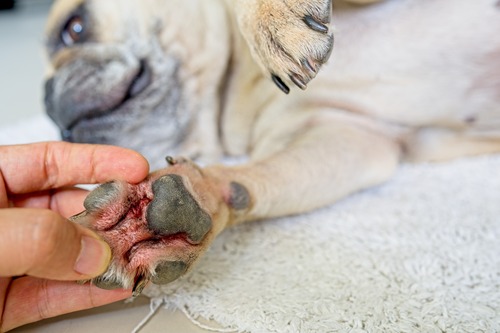
A dog yeast infection happens when yeast, usually Malassezia pachydermatis, grows too much on a dog’s skin, ears, or paws. Yeast is naturally present on a dog’s body but can overgrow due to allergies, a weak immune system, or moist environments. Common spots include ears, paw pads, armpits, and skin folds, especially in breeds like Bulldogs or Basset Hounds. Symptoms include itching, redness, a musty odor, flaky skin, or hair loss. If untreated, it can lead to discomfort or complications like ear infections. A dog yeast infection home remedy can soothe symptoms, but always consult a vet for a proper diagnosis. Also check: Remedy Meds

Why Use a Dog Yeast Infection Home Remedy?
A dog yeast infection home remedy is popular because it’s affordable, uses common household items, and can provide quick relief. Here’s why pet owners turn to these solutions:
- Cost-Effective: Ingredients like vinegar or coconut oil are cheaper than vet visits or medications.
- Gentle Relief: Natural remedies reduce itching and irritation without harsh side effects.
- Convenient: You can start treatment at home while waiting for a vet appointment.
- Supports Prevention: Diet changes and grooming can prevent future infections.
- Eco-Friendly: Uses natural ingredients, aligning with sustainable pet care.
However, home remedies don’t replace vet care. Severe cases need professional treatment to avoid complications.
Top Dog Yeast Infection Home Remedy Solutions
Here are vet-approved dog yeast infection home remedy options, using ingredients from your pantry or local stores. Always test remedies on a small area first and consult your vet before use.
1. Apple Cider Vinegar Rinse
Apple cider vinegar (ACV) is a top dog yeast infection home remedy due to its antifungal properties. It lowers skin pH, making it less favorable for yeast.
How to Use:
- Mix equal parts ACV and water (1:1 ratio).
- Spray or wipe onto affected areas, avoiding open wounds.
- Let it dry without rinsing.
- Use 1-2 times daily for up to a week.
Why It Works: ACV’s acetic acid fights yeast like Malassezia and Candida albicans, reducing itching and odor.
Safety Tip: Never use undiluted ACV, as it can sting or irritate skin.
2. Coconut Oil Application
Coconut oil is a safe dog yeast infection home remedy with antibacterial and antifungal properties. It soothes irritated skin and supports healing.
How to Use:
- Apply a thin layer of organic, virgin coconut oil to affected areas (paws, ears, skin folds).
- Rub gently into skin, avoiding excessive licking.
- Use daily until symptoms improve.
Why It Works: Coconut oil’s fatty acids, like caprylic acid, kill yeast and reduce inflammation.
Safety Tip: Use sparingly to avoid greasy fur, and monitor for licking to prevent digestive upset.
3. Antifungal Shampoo Baths
Frequent bathing with an antifungal shampoo is an effective dog yeast infection home remedy, especially for skin infections.
How to Use:
- Use a vet-approved antifungal shampoo with chlorhexidine or ketoconazole.
- Bathe your dog every 3-5 days for 2-3 weeks.
- Let the shampoo sit for 10 minutes before rinsing.
- Dry thoroughly to prevent moisture buildup.
Why It Works: Antifungal shampoos reduce yeast populations and clean waxy buildup.
Safety Tip: Avoid over-bathing, which can strip natural oils and worsen dryness.
4. Probiotic Supplements
Probiotics are a powerful dog yeast infection home remedy, supporting gut health to balance yeast internally.
How to Use:
- Add dog-specific probiotic powder or capsules to your dog’s food.
- Follow vet-recommended dosage (often 1 billion CFUs daily for medium dogs).
- Use consistently for 4-6 weeks.
Why It Works: Probiotics boost beneficial gut bacteria, strengthening the immune system to fight yeast overgrowth.
Safety Tip: Choose dog-safe probiotics and consult your vet for the right product.
5. White Vinegar Rinse
White vinegar is another dog yeast infection home remedy, particularly effective for Malassezia dermatitis.
How to Use:
- Mix equal parts white vinegar and water.
- Apply to affected areas with a spray bottle or cloth.
- Let dry without rinsing.
- Use 1-2 times daily for a week.
Why It Works: White vinegar’s acidity discourages yeast growth and reduces itching.
Safety Tip: Avoid broken skin to prevent stinging, and stop if irritation occurs.
6. Green Clay Mask
Green clay is a lesser-known dog yeast infection home remedy that soothes skin and fights yeast.
How to Use:
- Mix green clay powder with water to form a paste.
- Apply to affected areas and let dry for 10-15 minutes.
- Rinse off gently and dry thoroughly.
- Use 2-3 times weekly.
Why It Works: Green clay absorbs toxins and yeast, reducing inflammation and odor.
Safety Tip: Use food-grade green clay and avoid eyes or open wounds.
7. Oatmeal Baths
Oatmeal is a gentle dog yeast infection home remedy for itchy skin.
How to Use:
- Use a colloidal oatmeal shampoo or grind plain oats into a powder.
- Mix with warm water and bathe your dog.
- Let sit for 5-10 minutes, then rinse.
- Use weekly as needed.
Why It Works: Oatmeal calms irritated skin and reduces scratching.
Safety Tip: Ensure thorough rinsing to avoid residue buildup.
8. Omega-3 Fatty Acid Supplements
Omega-3 supplements are a supportive dog yeast infection home remedy to reduce inflammation.
How to Use:
- Add dog-safe fish oil or omega-3 supplements to food (180mg EPA per 10 pounds of body weight).
- Follow vet dosing guidelines.
- Use daily for 4-8 weeks.
Why It Works: Omega-3s improve skin barriers and reduce inflammation, preventing yeast flare-ups.
Safety Tip: Choose high-quality, dog-specific supplements to avoid heavy metal contamination.
Safety Tips for Dog Yeast Infection Home Remedy Use
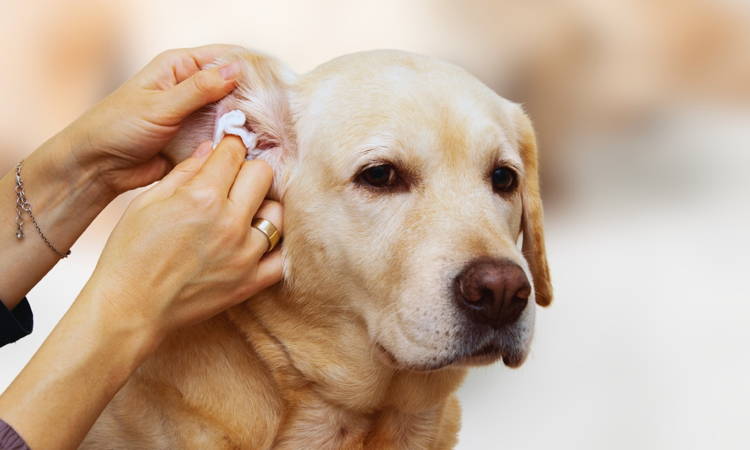
Using a dog yeast infection home remedy safely is crucial:
- Get a Vet Diagnosis: Yeast infections mimic allergies or bacterial issues. A vet can confirm with skin scraping or cytology.
- Test First: Apply remedies to a small area to check for reactions.
- Avoid Open Wounds: Don’t use vinegar or acidic remedies on broken skin.
- Monitor Symptoms: Stop if irritation worsens or persists after 5-7 days.
- Consult Your Vet: Check with a vet before combining remedies with medications.
- Watch for Severe Signs: Seek immediate vet care for swelling, pus, or hearing loss.
Why Dog Yeast Infections Happen
Yeast infections stem from conditions that allow Malassezia or Candida albicans to overgrow. Common causes include:
- Allergies: Food or environmental allergies irritate skin, creating a yeast-friendly environment.
- Weak Immune System: Poor diet, antibiotics, or conditions like diabetes weaken defenses.
- Moisture: Wet ears or skin folds trap moisture, ideal for yeast.
- Poor Diet: High-sugar or carb-heavy foods feed yeast.
- Genetics: Breeds like Shih Tzus, Bulldogs, and Cocker Spaniels are prone due to skin folds or floppy ears.
Understanding the cause helps tailor a dog yeast infection home remedy to your pet’s needs.
Diet Tips for Managing Yeast Infections
Diet plays a big role in preventing yeast infections. A dog yeast infection home remedy often includes dietary changes:
- Low-Carb, Low-Sugar Diet: Avoid foods with rice, potatoes, wheat, or corn, which feed yeast. Switch to high-protein, low-carb kibble or raw diets.
- Add Probiotics: Support gut health with dog-safe probiotics to balance yeast.
- Incorporate Omega-3s: Fish oil or flaxseed oil reduces inflammation and strengthens skin.
- Avoid Allergens: Identify and eliminate food allergens with a vet’s help.
Gradually transition diets over 7-10 days to avoid digestive upset.
Preventing Dog Yeast Infections
A dog yeast infection home remedy is most effective when paired with prevention:
- Keep Skin Dry: Dry ears and paws thoroughly after baths or swimming.
- Regular Grooming: Brush weekly to remove dead skin and debris.
- Clean Ears Weekly: Use a vet-approved ear cleaner to prevent moisture buildup.
- Healthy Diet: Feed high-quality, low-carb food to boost immunity.
- Manage Allergies: Work with a vet to control environmental or food allergies.
When to See a Vet
While a dog yeast infection home remedy can help, professional care is needed if:
- Symptoms last more than 1-2 weeks.
- Your dog shows pain, swelling, or pus.
- There’s bloody discharge or hearing loss.
- Skin darkens or becomes leathery.
Vets may prescribe antifungal medications like ketoconazole or medicated shampoos for severe cases.
Common Myths About Dog Yeast Infection Home Remedy
Let’s clear up misconceptions:
- Myth: Home remedies cure yeast infections completely.
Truth: They soothe symptoms but often need vet treatment to fully resolve. - Myth: All dogs can use the same remedies.
Truth: Remedies depend on the dog’s size, breed, and infection severity. - Myth: Yeast infections aren’t serious.
Truth: Untreated infections can lead to chronic skin issues or deafness.
Incorporating a Dog Yeast Infection Home Remedy into Your Routine
Here’s how to make a dog yeast infection home remedy part of your pet care:
- Morning Check: Inspect ears and paws for redness or odor.
- Weekly Baths: Use antifungal or oatmeal shampoo to keep skin clean.
- Daily Probiotics: Add to meals to support gut health.
- Post-Walk Care: Clean and dry paws after outdoor time.
- Vet Follow-Ups: Schedule regular checkups to monitor recurring issues.
The Science Behind Dog Yeast Infection Home Remedy
Research supports many remedies:
- A 2022 International Journal of Dermatology study found vinegar’s acetic acid reduces yeast growth.
- A 2019 Food Science and Nutrition study confirmed coconut oil’s effectiveness against Candida albicans.
- A 2018 PLoS ONE study showed omega-3s improve skin health in dogs.
These remedies work best for mild cases and prevention, not as a cure for severe infections.
Combining Home Remedies with Vet Care
A dog yeast infection home remedy can complement vet treatments. For example, use coconut oil to soothe skin alongside prescribed antifungal creams. Always inform your vet about home remedies to avoid interactions.
FAQs About Dog Yeast Infection Home Remedy: New Insights for Pet Owners
1. Can a dog yeast infection home remedy help with paw licking caused by yeast?
Answer: Yes, a dog yeast infection home remedy like soaking paws in a diluted apple cider vinegar solution (1:2 with water) for 5 minutes can reduce yeast-related licking. Dry thoroughly to prevent moisture buildup. Use 2-3 times weekly, but stop if irritation occurs and consult a vet for persistent licking.
2. Are dog yeast infection home remedy solutions safe for puppies?
Answer: For puppies over 6 months, mild remedies like diluted coconut oil applied to small areas can soothe yeast-related itching. Avoid acidic remedies like vinegar, as puppy skin is sensitive. Always consult a vet before using a dog yeast infection home remedy on young dogs to ensure safety.
3. How can a dog yeast infection home remedy be used for ear infections in floppy-eared breeds?
Answer: A dog yeast infection home remedy like a diluted white vinegar rinse (1:3 with water) can clean mild ear yeast in breeds like Cocker Spaniels. Apply with a cotton ball, avoiding deep ear canals, and dry well. Use once daily for 5 days, but see a vet if odor or discharge persists.
4. Can a dog yeast infection home remedy help with skin odor from yeast?
Answer: A dog yeast infection home remedy like a baking soda paste (1 tablespoon mixed with water) can neutralize musty yeast odors on skin. Apply to affected areas, let sit for 5 minutes, then rinse. Use 2-3 times weekly, ensuring thorough drying to avoid moisture buildup.
5. Are there dog yeast infection home remedy options for dogs with food allergies?
Answer: For dogs with food allergies triggering yeast, a dog yeast infection home remedy includes adding plain, unsweetened yogurt (1 tablespoon per 20 pounds) to meals for probiotic support. Pair with a hypoallergenic diet recommended by a vet. Use daily for 4-6 weeks and monitor for reactions.
6. How do I store dog yeast infection home remedy ingredients to keep them effective?
Answer: Store dog yeast infection home remedy ingredients like coconut oil or green clay in airtight containers in a cool, dry place to prevent rancidity. Keep vinegar in dark bottles away from heat. Check expiration dates on probiotics or fish oil to ensure potency, especially in humid climates.
7. Can a dog yeast infection home remedy be used during hot, humid weather?
Answer: Yes, a dog yeast infection home remedy like an oatmeal bath can soothe yeast flare-ups worsened by humidity. Bathe weekly with colloidal oatmeal shampoo, rinsing well to avoid residue. Dry thoroughly, as moisture fuels yeast. Consult a vet if symptoms increase in summer.
8. Are dog yeast infection home remedy solutions safe to combine with flea treatments?
Answer: Mild remedies like coconut oil or probiotic supplements can typically be used with flea treatments. Avoid applying vinegar rinses near flea medication spots, as they may irritate skin. Check with a vet to ensure your dog yeast infection home remedy doesn’t interfere with topical treatments.
9. Can a dog yeast infection home remedy help with yeast in a dog’s mouth?
Answer: A dog yeast infection home remedy like rinsing with diluted chamomile tea (1 tea bag steeped in a cup of water, cooled) can soothe mild oral yeast. Use a syringe to gently rinse the mouth once daily. Stop if swallowing occurs, and see a vet for oral infections, as they’re rare and serious.
10. How can a dog yeast infection home remedy support dogs with chronic yeast infections?
Answer: For chronic cases, a dog yeast infection home remedy like daily omega-3 supplements (180mg EPA per 10 pounds) can reduce inflammation long-term. Pair with a low-carb diet and weekly antifungal baths. Work with a vet for a tailored plan, as chronic infections may need medicated treatments.
Final Thoughts on Dog Yeast Infection Home Remedy
A dog yeast infection home remedy offers a safe, affordable way to ease your pet’s discomfort from itching, redness, or smelly skin. Options like apple cider vinegar, coconut oil, and probiotics can reduce symptoms and support healing when used correctly. Pair these with a low-carb diet, regular grooming, and vet checkups to prevent flare-ups. Always get a vet’s diagnosis to confirm yeast is the issue, as symptoms mimic allergies or bacterial infections. With consistent care, you can help your dog stay happy, healthy, and itch-free.
Start with one or two remedies, like an ACV rinse or probiotic supplement, and monitor your dog’s progress. Visit your vet if symptoms persist, and check local pet stores for dog-safe antifungal shampoos or supplements to keep your pet comfortable.