

Chicken thigh nutrition are a popular choice for many meals. They’re juicy, flavorful, and versatile, fitting into everything from weeknight dinners to fancy recipes. But beyond taste, chicken thighs are packed with nutrients that can support a healthy diet. This guide breaks down the nutrition facts of chicken thighs, their health benefits, and how they compare to other cuts of chicken. Whether you’re a fitness enthusiast, a home cook, or just curious, this post will give you clear, practical information to make informed choices.
What Makes Chicken Thigh Nutrition Special?
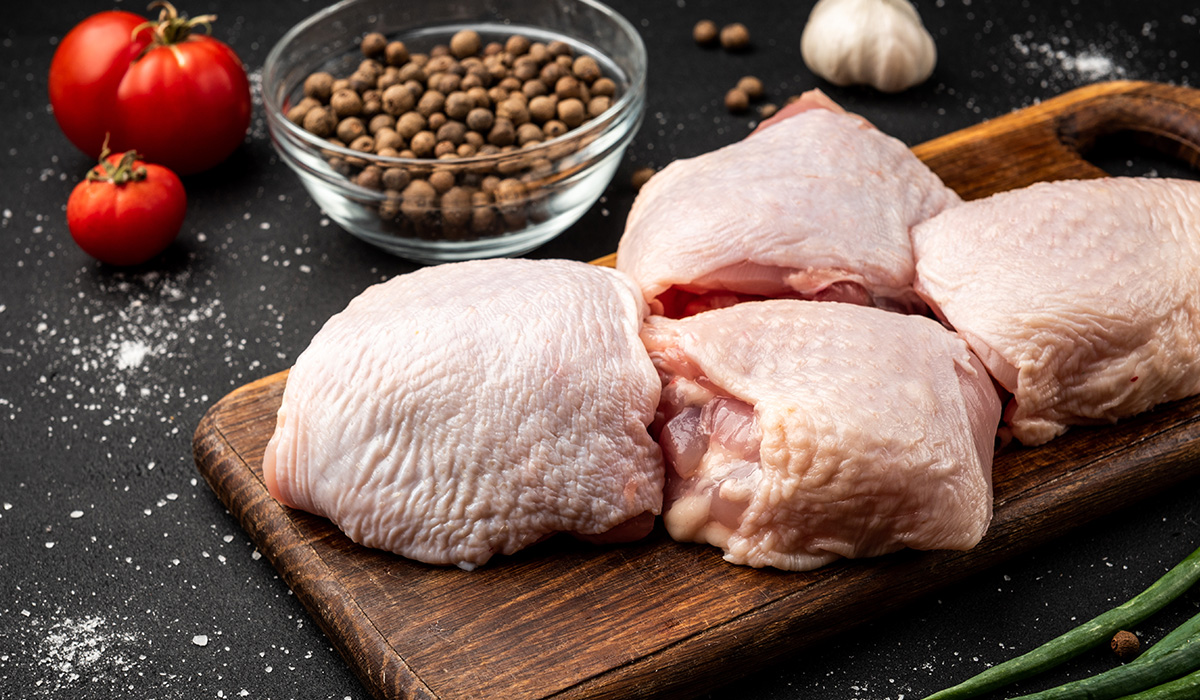
Chicken Thigh Nutrition come from the upper leg of the chicken, a part of the bird that gets a lot of movement. This makes the meat darker and richer in flavor compared to white meat like chicken breast. The higher fat content in thighs adds to their taste and tenderness, but it also affects their nutritional profile. Thighs can be prepared with or without the skin, and they can be bone-in or boneless, which impacts their calorie and nutrient content.
Understanding the nutrition of chicken thighs helps you decide how they fit into your diet. Let’s look at the key nutrients, benefits, and considerations to keep in mind. Also visit: One Stop Nutrition

Chicken Thigh Nutrition Facts
The nutritional content of chicken thighs depends on how they’re prepared—skin-on or skinless, baked, grilled, or fried. Below is a breakdown based on a 3.5-ounce (100-gram) serving of cooked chicken thighs, a standard portion size.
Skinless, Boneless Chicken Thighs (Roasted)
- Calories: 165 kcal
- Protein: 24.9 grams
- Total Fat: 6.7 grams
- Saturated Fat: 1.9 grams
- Monounsaturated Fat: 2.7 grams
- Polyunsaturated Fat: 1.5 grams
- Cholesterol: 95 mg
- Carbohydrates: 0 grams
- Sodium: 84 mg
- Key Vitamins and Minerals:
- Phosphorus: 21% of the Daily Value (DV)
- Vitamin B12: 20% of the DV
- Niacin (Vitamin B3): 34% of the DV
- Selenium: 36% of the DV
- Zinc: 15% of the DV
Skin-On, Bone-In Chicken Thighs (Roasted)
- Calories: 229 kcal
- Protein: 23.3 grams
- Total Fat: 14.7 grams
- Saturated Fat: 4.1 grams
- Monounsaturated Fat: 6.2 grams
- Polyunsaturated Fat: 3.2 grams
- Cholesterol: 110 mg
- Carbohydrates: 0 grams
- Sodium: 80 mg
- Key Vitamins and Minerals: Similar to skinless thighs, with slightly higher amounts of fat-soluble vitamins like vitamin A due to the skin.
Key Takeaways
- Protein Powerhouse: Chicken thighs are high in protein, making them great for muscle growth and repair.
- Moderate Fat Content: Skinless thighs are leaner, while skin-on thighs have more fat, which adds flavor but also calories.
- Zero Carbs: Chicken thighs are carb-free, ideal for low-carb or keto diets.
- Rich in Micronutrients: They provide essential vitamins and minerals that support energy, immune health, and more.
Note: Nutritional values can vary slightly based on cooking methods (e.g., frying adds more calories) or added ingredients like oils or sauces.
Health Benefits of Chicken Thighs
Chicken thighs offer several health benefits, thanks to their nutrient-dense profile. Here’s how they can support your wellness goals:
1. Supports Muscle Growth and Maintenance
With nearly 25 grams of protein per serving, chicken thighs are an excellent choice for building and maintaining muscle. Protein is essential for repairing tissues, especially after exercise. Athletes and those looking to stay active can rely on chicken thighs for a satisfying, protein-packed meal.
2. Boosts Energy with B Vitamins
Chicken thighs are rich in B vitamins like niacin and B12. Niacin helps convert food into energy, while B12 supports red blood cell production and nerve function. These vitamins keep you energized and focused throughout the day.
3. Strengthens Bones and Immunity
Phosphorus and selenium in chicken thighs play key roles in health. Phosphorus supports strong bones and teeth, while selenium boosts your immune system and acts as an antioxidant, protecting cells from damage.
4. Provides Healthy Fats
The fats in chicken thighs, especially monounsaturated fats, are heart-friendly when consumed in moderation. These fats can help balance cholesterol levels and provide a steady source of energy. Skinless thighs are a better choice for those watching fat intake.
5. Supports Weight Management
High-protein foods like chicken thighs can help you feel full longer, reducing the urge to snack. This makes them a smart choice for weight management, especially when paired with vegetables or whole grains.

Chicken Thighs vs. Chicken Breast: A Nutritional Comparison
Chicken breast is often praised as the go-to lean protein, but how do thighs stack up? Here’s a quick comparison based on a 3.5-ounce (100-gram) roasted, skinless serving:
| Nutrient | Chicken Thigh | Chicken Breast |
|---|---|---|
| Calories | 165 kcal | 165 kcal |
| Protein | 24.9 g | 31 g |
| Total Fat | 6.7 g | 3.6 g |
| Saturated Fat | 1.9 g | 1 g |
| Cholesterol | 95 mg | 85 mg |
| Niacin (B3) | 34% DV | 59% DV |
| Selenium | 36% DV | 32% DV |
Key Differences
- Protein: Chicken breast has slightly more protein, making it a favorite for bodybuilders.
- Fat Content: Thighs have more fat, which adds flavor but also calories, especially with the skin.
- Flavor and Texture: Thighs are juicier and less likely to dry out during cooking.
- Cost: Thighs are often cheaper, making them budget-friendly.
Which is better? It depends on your goals. If you want maximum protein with minimal fat, choose breast. If you value flavor and don’t mind a bit more fat, thighs are a great pick.
How Cooking Methods Affect Chicken Thigh Nutrition
The way you cook chicken thighs can change their nutritional value. Here’s a look at common methods:
1. Baking or Roasting
- Impact: Keeps fat content low if no extra oil is used. Skinless thighs stay lean, while skin-on thighs retain more fat.
- Tip: Season with herbs and spices for flavor without adding calories.
2. Grilling
- Impact: Similar to roasting, grilling adds no extra fat if done without oil. Char marks add flavor.
- Tip: Marinate thighs to enhance taste and tenderness.
3. Frying
- Impact: Adds significant calories and fat due to oil absorption. Breading or batter increases carbs.
- Tip: Opt for air-frying to mimic the crispy texture with less oil.
4. Slow Cooking
- Impact: Retains nutrients but may require sauces that add sodium or sugar.
- Tip: Use low-sodium broths or homemade sauces to control ingredients.
For the healthiest option, choose skinless thighs and cook with minimal added fats. If you love the skin, enjoy it occasionally and balance it with lighter sides.
Is Chicken Thigh Nutrition Healthy for Everyone?
Chicken thighs can be part of a balanced diet for most people, but there are a few things to consider:
1. Heart Health
The higher fat content in skin-on thighs may not suit those watching cholesterol or fat intake. Skinless thighs are a better choice for heart health, as they have less saturated fat.
2. Weight Loss
Chicken thighs are filling due to their protein and fat content, but portion control is key. Stick to a 3- to 4-ounce serving and pair with low-calorie sides like steamed veggies.
3. Dietary Restrictions
Chicken thighs are naturally gluten-free and low-carb, making them suitable for keto, paleo, or gluten-free diets. However, those with sodium sensitivity should avoid heavily seasoned or processed thighs.
4. Allergies
Chicken allergies are rare but possible. Always check for cross-contamination if you have food sensitivities.
How to Incorporate Chicken Thigh Nutrition
into Your Diet
Chicken thighs are incredibly versatile. Here are some ideas to add them to your meals:
1. Meal Prep
Batch-cook skinless thighs with simple seasonings like garlic, paprika, and lemon. Pair with rice and veggies for easy lunches.
2. Soups and Stews
Bone-in thighs add depth to broths and stews. Remove the skin to keep it leaner.
3. Salads
Grill or bake thighs, slice them, and toss into a salad with greens, avocado, and a light dressing.
4. Stir-Fries
Boneless thighs work well in quick stir-fries with vegetables and a low-sodium sauce.
5. Tacos or Wraps
Shred cooked thighs and use them in tacos or wraps with fresh toppings like lettuce, tomato, and salsa.
Tips for Buying and Preparing Chicken Thighs
- Choose Quality: Look for fresh, organic, or free-range thighs for better flavor and fewer additives.
- Check Labels: Avoid pre-marinated thighs with high sodium or sugar.
- Trim Fat: Remove excess fat or skin to reduce calories.
- Cook Safely: Cook thighs to an internal temperature of 165°F (74°C) to ensure they’re safe to eat.
- Store Properly: Refrigerate raw thighs for up to 2 days or freeze for up to 9 months.
Common Myths About Chicken Thigh Nutrition
Myth 1: Chicken Thighs Are Unhealthy
While thighs have more fat than breast, they’re still a nutritious choice when prepared thoughtfully. Skinless thighs are lean and packed with protein.
Myth 2: Skin-On Thighs Are Always Bad
The skin adds fat and calories, but enjoying it occasionally won’t derail a balanced diet. Moderation is key.
Myth 3: Thighs Have No Nutritional Value
Chicken thighs are rich in protein, vitamins, and minerals, making them a valuable part of many diets.
FAQs About Chicken Thigh Nutrition
1. Are chicken thighs a good source of iron?
Yes, chicken thighs contain iron, which helps transport oxygen in the blood and prevents anemia. A 3.5-ounce (100-gram) serving of skinless, roasted chicken thighs provides about 1.1 mg of iron, or roughly 6% of the Daily Value (DV). This makes them a decent choice for boosting iron intake, especially when paired with iron-rich foods like spinach.
2. Can chicken thigh nutrition support brain health?
Chicken thighs are rich in nutrients like vitamin B12 and choline, which are important for brain function. Vitamin B12 supports nerve health and cognitive function, while choline, found in small amounts in thighs, aids memory and brain development. Including chicken thighs in a balanced diet can contribute to mental clarity and focus.
3. How does chicken thigh nutrition benefit athletes?
Beyond muscle-building protein, chicken thighs provide zinc and magnesium, which aid muscle recovery and reduce fatigue. Zinc supports enzyme function during exercise, and magnesium helps with muscle relaxation. A 3.5-ounce serving offers about 15% of the DV for zinc and 6% for magnesium, making thighs a solid post-workout meal option.
4. Are there differences in chicken thigh nutrition between organic and conventional thighs?
Organic chicken thighs may have slightly different chicken thigh nutrition profiles due to farming practices. Organic chickens often have more omega-3 fatty acids from a varied diet, but the overall protein, fat, and micronutrient content is similar to conventional thighs. Organic options may also have fewer additives, which can be a plus for clean eating.
5. How does chicken thigh nutrition change when marinated?
Marinating chicken thighs can add sodium, sugar, or calories, depending on the marinade. For example, a soy-based marinade increases sodium, while honey-based ones add sugar. To keep chicken thigh nutrition healthy, use marinades with natural ingredients like olive oil, lemon juice, or herbs, and avoid high-sugar or high-sodium store-bought options.
6. Is chicken thigh nutrition affected by freezing?
Freezing chicken thighs preserves most of their nutritional value, including protein, vitamins, and minerals. However, improper freezing (e.g., freezer burn) can slightly degrade texture and flavor, but not chicken thigh nutrition significantly. Thaw thighs in the fridge to maintain quality and cook within a day for best results.
7. Can chicken thighs be part of a low-cholesterol diet?
While chicken thighs have more cholesterol (95–110 mg per 3.5-ounce serving) than some other meats, skinless thighs are a better choice for a low-cholesterol diet. Pairing them with fiber-rich foods like vegetables or whole grains can help manage cholesterol levels, making chicken thigh nutrition compatible with heart-conscious eating.
8. Do chicken thighs provide enough nutrients for pregnant women?
Chicken thigh nutrition supports pregnancy with its high protein, B vitamins, and iron. Protein aids fetal growth, while B vitamins like folate (present in small amounts) and B12 support cell development. Iron helps prevent anemia, which is common in pregnancy. Always cook thighs thoroughly to avoid foodborne risks.
9. How does chicken thigh nutrition compare to other poultry like turkey?
Compared to turkey thighs, chicken thigh nutrition is similar but slightly higher in fat. A 3.5-ounce serving of roasted, skinless turkey thigh has about 140 calories and 4 grams of fat, compared to 165 calories and 6.7 grams of fat for chicken thighs. Both are high in protein and B vitamins, but turkey is leaner.
10. Are there environmental impacts tied to choosing chicken thighs for their nutrition?
Chicken thighs are a relatively sustainable protein source compared to beef or pork, with a lower carbon footprint. However, chicken thigh nutrition benefits can be maximized by choosing locally sourced or pasture-raised thighs, which often have better farming practices, reducing environmental impact while maintaining high nutritional quality.
Chicken Thigh Nutrition: A Quick Recap
Chicken thighs are a nutrient-packed, budget-friendly option for anyone looking to eat well without sacrificing flavor. They offer high-quality protein, essential vitamins, and healthy fats, especially when prepared without the skin. Compared to chicken breast, thighs have a bit more fat but make up for it with rich taste and versatility. By choosing healthy cooking methods and pairing thighs with wholesome sides, you can enjoy their benefits while meeting your health goals.
Whether you’re grilling, baking, or tossing them into a stew, chicken thighs can be a delicious and nutritious addition to your meals. Next time you’re at the grocery store, grab some thighs and try a new recipe—you might be surprised at how easy it is to make healthy, tasty dishes!