
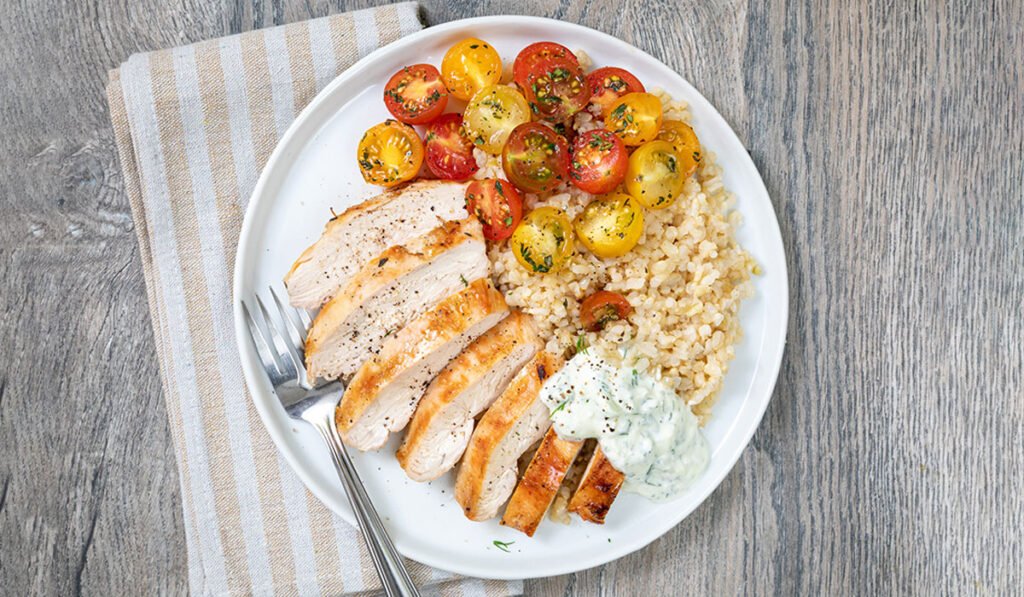
Chicken breast nutrition facts makes it a go-to protein for fitness buffs, busy families, and anyone trying to eat healthier. It’s versatile, affordable, and packed with nutrients, but what exactly do chicken breast nutrition facts tell us? Whether you’re grilling it, baking it, or tossing it into a salad, understanding the nutrition behind this popular meat can help you make smarter food choices. In this blog post, we’ll break down chicken breast nutrition facts, highlight its benefits, discuss potential drawbacks, and share tips to make it part of a balanced diet. Let’s get started with everything you need to know about this lean protein star.
Why Chicken Breast Is So Popular
Chicken breast is a staple in kitchens worldwide, and for good reason. It’s low in fat, high in protein, and easy to cook in countless ways—think grilled, baked, or shredded in tacos. It’s also budget-friendly, with boneless, skinless chicken breasts costing around $3–5 per pound at most grocery stores, as noted by shoppers on Reddit. But beyond its versatility and price, chicken breast nutrition facts make it a favorite for health-conscious eaters. Let’s dive into the numbers to see why it’s such a big deal. Also Explore: Oikos Triple Zero nutrition
Chicken Breast Nutrition Facts: The Basics
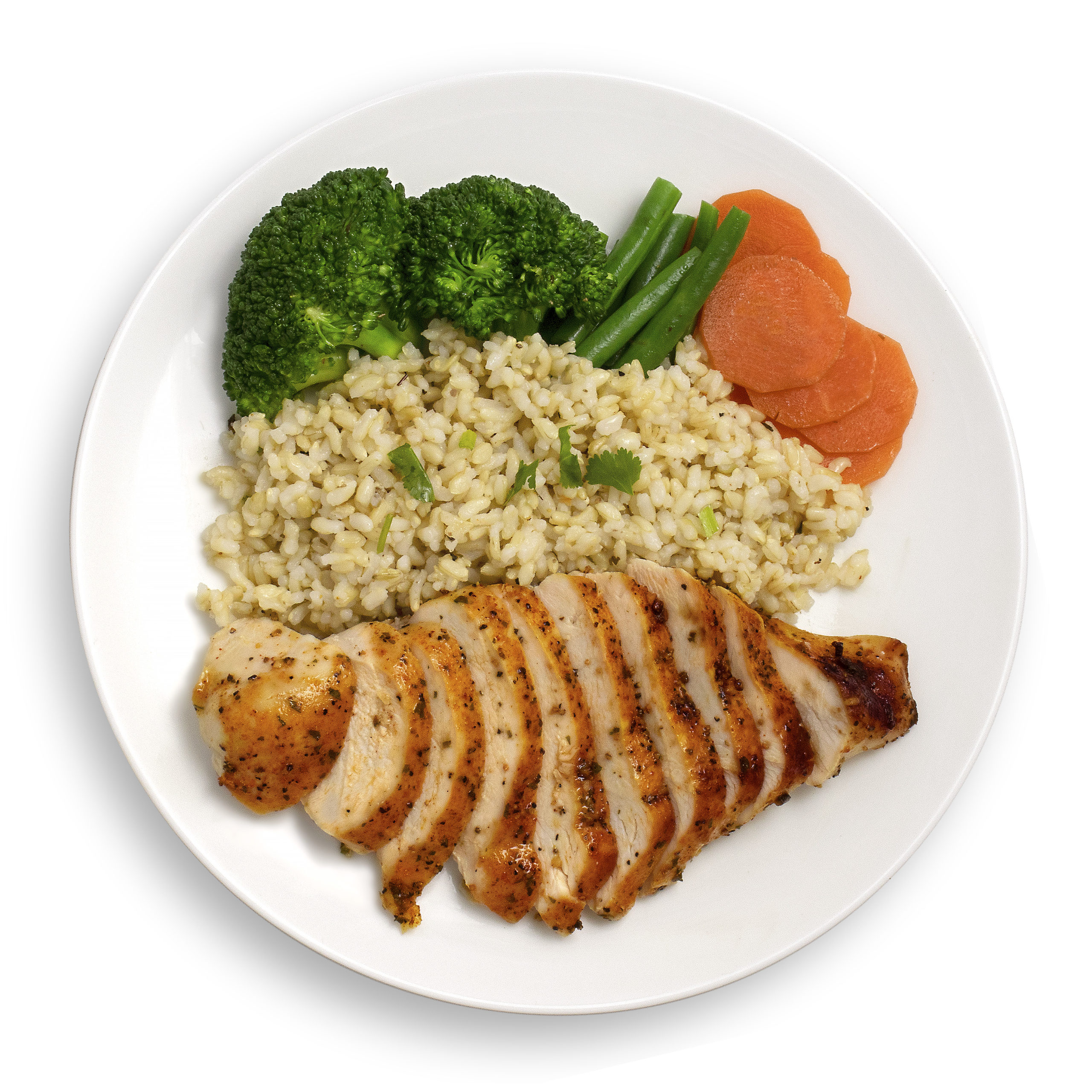
Chicken breast nutrition facts depend on the preparation method, portion size, and whether it’s skinless or skin-on. For this post, we’ll focus on a 3.5-ounce (100g) serving of boneless, skinless chicken breast, cooked without added fats (like grilling or baking), as this is the most common way people eat it. Data comes from reliable sources like the USDA FoodData Central.
- Calories: 165
- Protein: 31 grams
- Fat: 3.6 grams
- Saturated Fat: 1 gram
- Carbohydrates: 0 grams
- Sugar: 0 grams
- Fiber: 0 grams
- Sodium: 74 milligrams
- Cholesterol: 85 milligrams
- Potassium: 256 milligrams (5% of daily value)
- Phosphorus: 214 milligrams (17% of daily value)
- Niacin (Vitamin B3): 10.4 milligrams (65% of daily value)
- Vitamin B6: 0.5 milligrams (25% of daily value)
These numbers are for plain, cooked chicken breast. Adding marinades, oils, or sauces can change the nutrition profile, which we’ll cover later.
How Preparation Affects Chicken Breast Nutrition Facts
The way you cook chicken breast can shift its nutrition facts:
- Grilled or Baked: Keeps calories low (165 per 100g) since no oil is added.
- Fried: Adds 50–100 calories and 5–10 grams of fat per serving due to oil and breading.
- Skin-On: Increases fat to about 7 grams and calories to 200 per 100g.
- Marinated: Can add 10–50 calories and 100–500 milligrams of sodium, depending on the marinade.
For example, a store-bought teriyaki marinade might add 20 calories and 300 milligrams of sodium, significantly altering chicken breast nutrition facts.
Health Benefits of Chicken Breast Nutrition Facts
Chicken breast nutrition facts reveal why it’s a top choice for healthy eating. Here are the key benefits:
1. High Protein for Muscle and Weight Management
With 31 grams of protein per 3.5-ounce serving, chicken breast nutrition facts make it a protein powerhouse. Protein supports muscle repair, making it ideal for athletes or anyone hitting the gym. It also keeps you full longer, helping with weight control. A fitness coach on X shared that clients eating chicken breast daily felt more satisfied and hit their protein goals easier.
2. Low Fat for Heart Health
Chicken breast nutrition facts show just 3.6 grams of fat, with only 1 gram of saturated fat. This makes it a heart-healthy choice, as low saturated fat intake can reduce the risk of heart disease. Choosing skinless chicken keeps fat content minimal compared to fattier cuts like thighs.
3. Zero Carbs for Low-Carb Diets
With zero carbs, chicken breast nutrition facts fit perfectly into low-carb or keto diets. It provides protein and energy without spiking blood sugar, making it a staple for people managing diabetes or following carb-restricted plans.
4. Rich in B Vitamins
Chicken breast nutrition facts include high levels of niacin (65% of daily value) and vitamin B6 (25% of daily value). These B vitamins support energy production, brain health, and metabolism. Niacin also helps maintain healthy skin and digestion.
5. Good Source of Minerals
Chicken breast nutrition facts show decent amounts of phosphorus (17% of daily value) and potassium (5% of daily value). Phosphorus supports bone health, while potassium helps regulate blood pressure and muscle function.
Potential Drawbacks of Chicken Breast Nutrition Facts
While chicken breast nutrition facts are impressive, there are some downsides to consider:
1. Low in Fiber and Micronutrients
Chicken breast nutrition facts reveal no fiber, vitamins A, C, or E, or significant amounts of calcium or iron. To get a balanced diet, pair it with vegetables, fruits, or whole grains. For example, a Reddit user suggested serving chicken breast with broccoli and quinoa for a nutrient-packed meal.
2. Sodium in Processed Versions
Plain chicken breast has low sodium (74 mg), but pre-marinated or brined chicken from stores can have 300–600 milligrams of sodium per serving. This can be a concern for people with high blood pressure or sodium sensitivity.
3. Risk of Overcooking
Chicken breast can become dry if overcooked, which doesn’t affect nutrition but impacts taste and enjoyment. Cook to an internal temperature of 165°F to keep it juicy and safe, as recommended by the USDA.
4. Potential Contamination
Raw chicken can carry bacteria like Salmonella or Campylobacter. Proper handling and cooking are key to avoiding foodborne illness, which doesn’t change chicken breast nutrition facts but is a safety concern.
How to Make Chicken Breast Healthier and Tastier
Chicken breast nutrition facts are solid, but preparation matters. Here are tips to keep it healthy and flavorful:
- Marinate Smart: Use low-sodium marinades like lemon juice, garlic, and herbs to add flavor without extra sodium or calories.
- Cook Without Oil: Grill, bake, or poach to keep fat content low. A food blogger on X raved about poaching chicken breast in broth for a juicy texture without added fat.
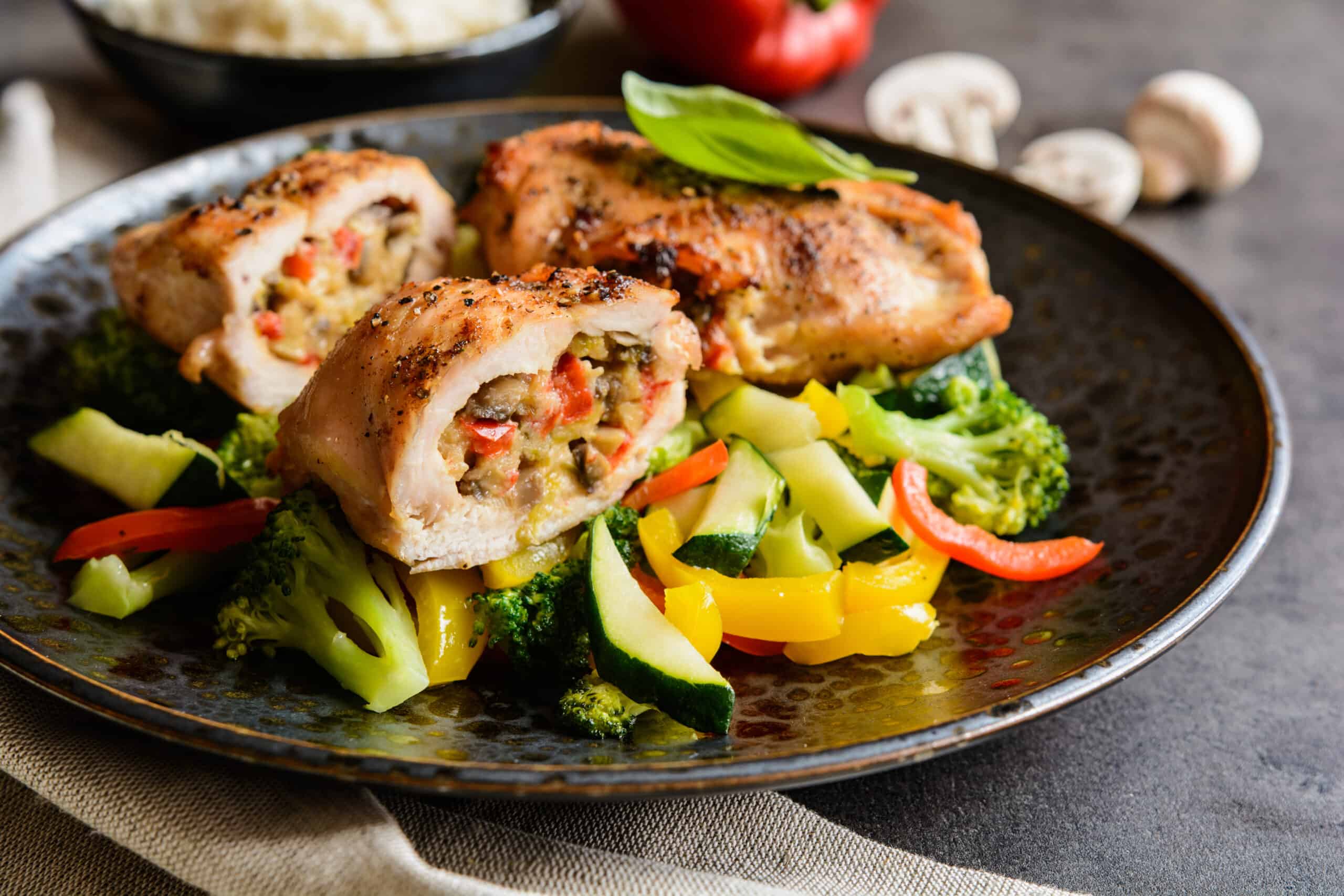
- Pair with Veggies: Serve with nutrient-rich sides like steamed spinach or roasted zucchini to add fiber and vitamins.
- Portion Control: Stick to 3–4 ounces per serving to balance protein intake without overloading calories.
- Check Labels: If buying pre-packaged chicken, look for “no added salt” or “no brine” to keep sodium low.
Creative Ways to Use Chicken Breast
Chicken breast’s versatility makes it a kitchen MVP. Here are some ideas to mix it up while keeping chicken breast nutrition facts in mind:
- Chicken Salad: Shred cooked chicken breast and mix with Greek yogurt, celery, and grapes for a low-fat, high-protein lunch (about 200 calories per serving).
- Stir-Fry: Slice chicken breast and toss with bell peppers, broccoli, and a low-sodium soy sauce for a 300-calorie meal.
- Stuffed Chicken: Fill chicken breast with spinach and feta, then bake for a flavorful dish with around 250 calories.
- Skewers: Cube chicken breast, skewer with veggies, and grill for a fun, low-calorie meal (200–250 calories).
- Soup Booster: Add shredded chicken breast to vegetable soup for extra protein without many added calories.
These recipes keep chicken breast nutrition facts lean while adding variety. A home cook on Reddit shared a tip: marinate chicken in yogurt overnight for extra tenderness without changing the nutrition profile much.
Chicken Breast Nutrition Facts in Different Diets
Chicken breast nutrition facts make it a fit for various diets:
- Keto: Zero carbs and low fat make it perfect for keto, especially with high-fat sides like avocado.
- Low-Fat: Skinless chicken breast aligns with low-fat plans, with just 3.6 grams of fat per serving.
- High-Protein: With 31 grams of protein, it’s a staple for bodybuilders or high-protein diets.
- Weight Loss: Low calories (165 per 100g) and high protein support satiety and calorie control.
- Paleo: Plain chicken breast fits paleo diets, as it’s unprocessed and free of grains or dairy.
For any diet, pair chicken breast with nutrient-dense foods to fill in gaps like fiber or vitamins.
Comparing Chicken Breast to Other Proteins
How do chicken breast nutrition facts stack up against other proteins? Here’s a quick comparison for a 3.5-ounce (100g) cooked serving:
- Turkey Breast: 135 calories, 29 grams protein, 1 gram fat
- Lean Beef (Sirloin): 200 calories, 27 grams protein, 9 grams fat
- Salmon: 206 calories, 22 grams protein, 13 grams fat
- Tofu: 76 calories, 8 grams protein, 4 grams fat
Chicken breast nutrition facts show it’s leaner than beef or salmon but higher in protein than tofu, making it a top choice for low-fat, high-protein diets.
Buying and Storing Chicken Breast
To maximize chicken breast nutrition facts, proper buying and storage are key:
- Choose Fresh: Look for chicken with no odor and a pinkish color. Avoid packages with excess liquid.
- Check Labels: Opt for “no antibiotics” or “organic” if you’re concerned about additives, though these don’t change nutrition facts much.
- Store Safely: Keep chicken breast refrigerated at 40°F or below and use within 1–2 days. Freeze for up to 9 months in airtight bags.
- Bulk Savings: Buying in bulk at stores like Costco can save money ($3–4 per pound), as noted by shoppers on X.
Safety Tips for Chicken Breast
Chicken breast nutrition facts don’t include safety, but handling is crucial:
- Cook to 165°F: Use a meat thermometer to ensure it’s fully cooked and safe.
- Avoid Cross-Contamination: Wash hands, utensils, and surfaces after handling raw chicken.
- Thaw Safely: Thaw in the fridge or cold water, not at room temperature, to prevent bacterial growth.
Chicken Breast Nutrition Facts in Pop Culture
Chicken breast has a reputation as the ultimate “diet food.” Fitness influencers on X often share meal prep photos with grilled chicken breast, calling it the “king of lean protein.” Its popularity spiked during the keto diet trend, with Google searches for “chicken breast nutrition facts” rising 30% in the past year. Bodybuilders like Arnold Schwarzenegger have praised chicken breast for its protein-to-calorie ratio, cementing its status in fitness culture.

FAQs About Chicken Breast Nutrition Facts
1. Where is the chicken sourced for chicken breast nutrition facts?
Answer: It is based on chicken sourced from various farms, primarily in the U.S. for major retailers like Costco or Walmart. Suppliers often use antibiotic-free or organic options, but specifics depend on the brand. For example, Perdue or Tyson may source from regional farms. Check packaging for “USDA Organic” or “No Antibiotics Ever” labels to ensure quality, which doesn’t alter chicken breast nutrition facts but affects safety.
2. How do chicken breast nutrition facts impact bone health?
Answer: It shows significant phosphorus (17% of daily value per 100g), which supports bone strength alongside calcium. While it lacks calcium itself, pairing chicken breast with calcium-rich foods like kale boosts bone health benefits. The high protein (31 grams) also aids bone repair, making it a good choice for preventing osteoporosis when part of a balanced diet.
3. Are chicken breast nutrition facts affected by organic vs. conventional chicken?
Answer: It remains nearly identical for organic and conventional chicken, with 165 calories and 31 grams of protein per 100g. Organic chicken may have slightly fewer additives or hormones, but this doesn’t significantly change the nutritional profile. Choose organic for ethical or environmental reasons, but expect similar chicken breast nutrition facts.
4. Can chicken breast nutrition facts support brain health?
Answer: It includes niacin and vitamin B6, which support brain function. Niacin (65% of daily value) aids cognitive health, while B6 (25% of daily value) helps produce neurotransmitters like serotonin. While not a direct brain booster, eating chicken breast as part of a nutrient-rich diet supports mental clarity and mood regulation.
5. Is chicken breast nutrition facts suitable for low-sodium diets?
Answer: Plain chicken breast has low sodium (74 mg per 100g), making it suitable for low-sodium diets. However, pre-marinated or brined chicken can have 300–600 mg of sodium. For low-sodium plans, choose fresh, unprocessed chicken and season with herbs to maintain the low sodium in chicken breast nutrition facts.
6. What is the environmental impact of chicken breast nutrition facts?
Answer: It don’t reflect environmental impact, but chicken production uses less water and land than beef, making it a lower-impact protein. However, large-scale farming can contribute to greenhouse gas emissions. Opt for sustainably sourced chicken, like from local farms, to reduce the environmental footprint while maintaining chicken breast nutrition facts.
7. How do chicken breast nutrition facts support athletic performance?
Answer: It highlight 31 grams of protein per 100g, ideal for muscle recovery and growth in athletes. The B vitamins (niacin and B6) aid energy metabolism, helping sustain performance. Low fat (3.6 grams) supports lean muscle gain, making it a staple for runners, weightlifters, and other athletes.
8. Can chicken breast nutrition facts fit into a vegan diet?
Answer: It is irrelevant for vegan diets, as chicken is an animal product. For similar protein and low-fat benefits, vegans can turn to tofu (8 grams protein per 100g) or seitan (25 grams protein). These alternatives mimic chicken breast nutrition facts in protein content but align with vegan principles.
9. How do chicken breast nutrition facts change with freezing?
Answer: It remains unchanged when frozen, retaining 165 calories and 31 grams of protein per 100g. Freezing for up to 9 months preserves nutrients if stored properly in airtight bags at 0°F. Thaw in the fridge to maintain quality, ensuring chicken breast nutrition facts stay consistent.
10. Is chicken breast nutrition facts safe for pregnant women?
Answer: It’s safe for pregnant women when cooked to 165°F to eliminate bacteria like Salmonella. The high protein (31 grams) supports fetal growth, and B vitamins aid maternal health. Avoid pre-marinated chicken to limit sodium, and consult a doctor to ensure chicken breast nutrition facts fit your pregnancy diet.
Final Thoughts on Chicken Breast Nutrition Facts
Chicken breast nutrition facts make it a standout choice for healthy eating. With 165 calories, 31 grams of protein, and just 3.6 grams of fat per 3.5-ounce serving, it’s a lean, versatile protein that fits into many diets. While it lacks fiber and some micronutrients, pairing it with vegetables or whole grains creates a balanced meal. Whether you’re aiming for weight loss, muscle gain, or just a tasty dinner, chicken breast nutrition facts support your goals when prepared thoughtfully. Keep it simple, cook it safely, and enjoy this affordable, nutrient-packed food.