
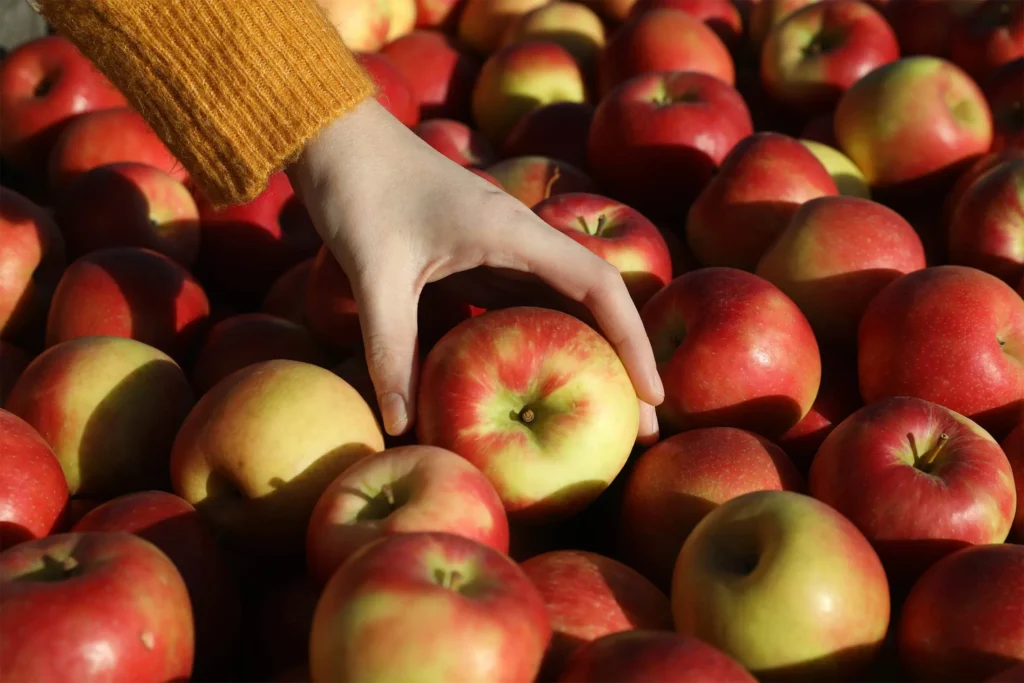
Honeycrisp Apple Nutrition makes them a favorite including their crisp texture, sweet-tart flavor, and juicy bite. Whether you’re munching one on the go or slicing it into a salad, this apple is a delicious and nutritious choice. But what do Honeycrisp apple nutrition facts really tell us? From calories to vitamins, this blog post breaks down everything you need to know about Honeycrisp apple nutrition, including its benefits, potential drawbacks, and creative ways to enjoy it. Let’s dig into why this apple is a healthy addition to your diet.
Why Honeycrisp Apples Stand Out
Honeycrisp apples, developed in Minnesota in the 1990s, are known for their unique crunch and balanced flavor. They’re pricier than other apples, often costing $2–4 per pound, as noted by shoppers on Reddit, but their taste makes them worth it for many. Beyond flavor, Honeycrisp apple nutrition makes them a smart pick for health-conscious eaters. Whether you’re aiming to snack smarter or boost your nutrient intake, understanding Honeycrisp apple nutrition can help you make the most of this fruit. Also explore: Chicken Breast Nutrition

Honeycrisp Apple Nutrition: The Basics
Honeycrisp apple nutrition is similar to other apples, but slight differences come from its size and sugar content. The data below is for a medium Honeycrisp apple (about 182 grams, or roughly 6.5 ounces), based on USDA FoodData Central and other reliable sources.
- Calories: 95
- Carbohydrates: 25 grams
- Sugars: 19 grams (naturally occurring)
- Fiber: 4.4 grams
- Protein: 0.5 grams
- Fat: 0.3 grams
- Vitamin C: 8.4 milligrams (9% of daily value)
- Potassium: 195 milligrams (4% of daily value)
- Vitamin K: 4 micrograms (3% of daily value)
- Folate: 5.5 micrograms (1% of daily value)
- Sodium: 2 milligrams
- Water Content: 85% (about 155 grams)
These numbers are for a raw, unpeeled Honeycrisp apple. Peeling removes some fiber and nutrients, while cooking (like in pies) can add calories from sugar or butter, changing Honeycrisp apple nutrition.
How Size Affects Nutrition
Honeycrisp apples vary in size, which impacts Honeycrisp apple nutrition. A small apple (149g) has about 78 calories and 3.6 grams of fiber, while a large one (223g) has around 116 calories and 5.4 grams of fiber. Stick to a medium-sized apple for consistent nutrition tracking.
Health Benefits of Honeycrisp Apple Nutrition
Honeycrisp apple nutrition offers several health perks, making it a great snack or meal addition. Here’s why it shines:
1. Fiber for Digestion and Fullness
With 4.4 grams of fiber per medium apple, Honeycrisp apple nutrition supports healthy digestion and helps prevent constipation. Fiber also slows digestion, keeping you full longer, which can aid weight management. A Reddit user shared that eating a Honeycrisp apple before meals helped them eat less without feeling deprived.
2. Low Calories for Weight Control
At 95 calories per medium apple, Honeycrisp apple nutrition is low-calorie, making it ideal for those watching their weight. Its natural sweetness satisfies cravings without the calories of sugary snacks like candy bars (200–300 calories).
3. Vitamin C for Immunity
Honeycrisp apple nutrition provides 9% of your daily vitamin C, which supports immune health and helps your body fight infections. Vitamin C also aids skin health by supporting collagen production, keeping your skin firm and healthy.
4. Antioxidants for Heart Health
Honeycrisp apples contain antioxidants like quercetin and flavonoids, which may reduce inflammation and support heart health. Studies suggest apples can lower the risk of heart disease by improving cholesterol levels, thanks to their fiber and antioxidants, a key part of Honeycrisp apple nutrition.
5. Hydration from High Water Content
With 85% water content, Honeycrisp apple nutrition helps keep you hydrated. This is especially helpful during hot weather or after exercise, as the water and potassium (195 mg) support fluid balance.
6. Low Sodium and Fat
Honeycrisp apple nutrition has just 2 milligrams of sodium and 0.3 grams of fat, making it a heart-healthy choice for low-sodium or low-fat diets. It’s a great snack for people managing blood pressure or cholesterol.

Potential Drawbacks of Honeycrisp Apple Nutrition
While Honeycrisp apple nutrition is impressive, there are a few things to keep in mind:
1. Natural Sugars
Honeycrisp apple nutrition includes 19 grams of natural sugars per medium apple. While these sugars are healthier than added sugars, they can still affect blood sugar, especially for people with diabetes. Pairing an apple with protein, like peanut butter, can slow sugar absorption.
2. Low Protein
With only 0.5 grams of protein, Honeycrisp apple isn’t a significant protein source. To make it a balanced snack, combine it with protein-rich foods like yogurt or nuts, as suggested by a nutritionist on X.
3. Pesticide Residue
Honeycrisp apples may have pesticide residue if not organic, though this doesn’t change Honeycrisp apple nutrition directly. Washing thoroughly or choosing organic can reduce exposure. The Environmental Working Group lists apples as a high-pesticide fruit, so opt for organic if this is a concern.
4. Not a Complete Meal
Honeycrisp apple lacks significant protein, fat, and some vitamins like B12 or D. It’s best as a snack or side, not a full meal, to ensure you get all essential nutrients.
Creative Ways to Enjoy Honeycrisp Apples
Honeycrisp apple nutrition makes it versatile for snacks, meals, or desserts. Here are some ideas to try:
- Apple Slices with Nut Butter: Spread 1 tablespoon of almond butter on apple slices for a 200-calorie snack with protein and healthy fats.
- Apple Salad: Toss chopped Honeycrisp apples with spinach, walnuts, and a light vinaigrette for a 150-calorie side dish.
- Baked Apples: Core and bake with a sprinkle of cinnamon for a 100-calorie dessert. Add a dollop of Greek yogurt for extra protein.
- Smoothie Addition: Blend a Honeycrisp apple with spinach, banana, and almond milk for a 200-calorie smoothie.
- Apple Chips: Thinly slice and bake at 200°F for 2–3 hours for a crispy, 95-calorie snack.
These recipes keep Honeycrisp apple intact while adding variety. A food blogger on X suggested pairing Honeycrisp apples with cheddar cheese for a sweet-savory combo that’s still under 200 calories.
Honeycrisp Apple Nutrition in Different Diets
Honeycrisp apple nutrition fits many dietary plans:
- Weight Loss: Low calories (95 per apple) and high fiber (4.4 grams) support satiety and calorie control.
- Low-Fat: With 0.3 grams of fat, it’s perfect for low-fat diets.
- Vegan/Vegetarian: Naturally plant-based, it’s a staple for vegan or vegetarian diets.
- Low-Sodium: At 2 milligrams of sodium, it’s ideal for heart-healthy plans.
- Gluten-Free: Apples are naturally gluten-free, fitting celiac or gluten-sensitive diets.
Pair with protein or healthy fats for balance, especially in low-carb or keto diets, where the 25 grams of carbs may need moderation.
Comparing Honeycrisp Apple Nutrition to Other Fruits
How does Honeycrisp apple nutrition compare to other fruits (per 100g)?
- Banana: 90 calories, 23 grams carbs, 2.6 grams fiber, 12 grams sugars
- Orange: 47 calories, 12 grams carbs, 2.4 grams fiber, 9 grams sugars
- Strawberries: 32 calories, 8 grams carbs, 2 grams fiber, 5 grams sugars
- Grapes: 69 calories, 18 grams carbs, 0.9 grams fiber, 16 grams sugars
Honeycrisp apple nutrition has more calories than strawberries or oranges but offers more fiber than grapes and a balanced sugar content compared to bananas.
Buying and Storing Honeycrisp Apples
To get the most from Honeycrisp apple nutrition, proper buying and storage are key:
- Choose Wisely: Look for firm, shiny apples with no bruises. Honeycrisp apples should feel heavy for their size.
- Organic vs. Conventional: Organic Honeycrisp apples may have less pesticide residue but similar nutrition. They cost about $1 more per pound, per X users.
- Store Properly: Keep in the fridge at 32–40°F for up to 1 month. Avoid storing near strong-smelling foods, as apples absorb odors.
- Bulk Savings: Buy in bulk at farmers’ markets or stores like Costco for $2–3 per pound, as shared on Reddit.
Safety and Preparation Tips
Honeycrisp apple nutrition is best preserved with proper handling:
- Wash Thoroughly: Rinse under cold water to remove dirt or pesticides.
- Eat the Skin: The skin contains most of the fiber and antioxidants, boosting Honeycrisp apple nutrition.
- Cut Safely: Use a sharp knife to avoid slipping, and core apples for easier eating.
- Avoid Spoilage: Check for soft spots or mold, and discard any spoiled parts to maintain safety.
Honeycrisp Apple Nutrition in Pop Culture
Honeycrisp apples have a cult following, with Google searches for “Honeycrisp apple nutrition” up 25% in the past year. Foodies on X call them the “gold standard” for snacking, and recipes like Honeycrisp apple crisp are trending on Pinterest. Their premium price and crisp texture have made them a symbol of quality, with grocery chains like Whole Foods promoting them as a top pick.

FAQs about Honeycrisp Apple Nutrition
1. Where are the apples sourced for Honeycrisp apple nutrition?
Answer: Honeycrisp apple comes from apples primarily grown in the U.S., with Minnesota and Washington being top producers due to ideal climates. Retailers like Costco source from regional orchards, but exact farms vary. Organic options ensure fewer pesticides, though Honeycrisp apple remains consistent across conventional and organic varieties. Check labels for origin details or ask your grocer.
2. How does Honeycrisp apple nutrition support gut health?
Answer: Honeycrisp apple includes 4.4 grams of fiber per medium apple, which feeds beneficial gut bacteria and promotes regular digestion. The pectin in apples acts as a prebiotic, supporting microbiome health. While not a probiotic, eating Honeycrisp apples regularly can enhance gut function when paired with yogurt or other probiotic foods.
3. Is Honeycrisp apple nutrition safe for people with acid reflux?
Answer: Honeycrisp apple is generally safe for acid reflux, as apples are less acidic than citrus fruits (pH around 3.5–4). Their fiber aids digestion, which may reduce reflux symptoms. However, some people find the natural sugars trigger discomfort, so eat small portions and avoid eating late at night to minimize issues.
4. Can Honeycrisp apple nutrition benefit eye health?
Answer: Honeycrisp apple contains small amounts of vitamin A precursors (beta-carotene) in the skin, which support eye health by protecting against oxidative stress. While not as rich as carrots, the antioxidants in Honeycrisp apples may help reduce the risk of age-related eye issues when eaten as part of a varied diet.
5. How does Honeycrisp apple nutrition fit into a low-FODMAP diet?
Answer: Honeycrisp apple may not suit a strict low-FODMAP diet, as apples contain fermentable sugars like fructose that can trigger IBS symptoms. However, small portions (e.g., half an apple) may be tolerated by some. Test your sensitivity and pair with low-FODMAP foods like rice crackers to balance Honeycrisp apple.
6. What is the environmental impact of Honeycrisp apple nutrition?
Answer: Honeycrisp apple comes from apples grown in orchards that require water, pesticides, and land, contributing to a moderate environmental footprint. Organic farming reduces chemical use, and local sourcing cuts transport emissions. Choose apples from nearby farms or eco-conscious brands to lessen the environmental impact while enjoying Honeycrisp apple nutrition.
7. Can Honeycrisp apple nutrition support athletic performance?
Answer: Honeycrisp apple nutrition provides 25 grams of carbs and 195 milligrams of potassium per medium apple, offering quick energy and muscle support for athletes. The carbs fuel workouts, while potassium helps prevent cramps. Eat a Honeycrisp apple 30 minutes before exercise for a natural energy boost without added sugars.
8. Is Honeycrisp apple nutrition safe for pregnant women?
Answer: Honeycrisp apple nutrition is safe and beneficial for pregnant women, offering fiber (4.4 grams) for digestion and vitamin C (9% of daily value) for immunity. The low calorie count (95 per apple) supports healthy weight gain. Wash thoroughly to remove pesticides, and consult a doctor to ensure it fits your pregnancy diet.
9. How does freezing affect Honeycrisp apple nutrition?
Answer: Freezing Honeycrisp apples preserves Honeycrisp apple nutrition, maintaining 95 calories, 4.4 grams of fiber, and most vitamins for up to 6 months. Vitamin C may decrease slightly over time, but fiber and antioxidants remain stable. Slice and freeze in airtight bags, then thaw for smoothies or baking to retain nutritional value.
10. Can Honeycrisp apple nutrition help with allergies?
Answer: Honeycrisp apple includes quercetin, an antioxidant with mild antihistamine properties that may help reduce allergy symptoms like sneezing. While not a cure, eating Honeycrisp apples regularly may support immune health due to their vitamin C and fiber. Pair with local honey for potential added allergy relief, as suggested by some natural remedy advocates.
Final Thoughts on Honeycrisp Apple Nutrition
Honeycrisp apple makes it a standout snack, with 95 calories, 4.4 grams of fiber, and 9% of daily vitamin C per medium apple. Its low fat, low sodium, and high water content support various diets, from weight loss to heart-healthy plans. While it lacks protein and some vitamins, pairing it with nutrient-rich foods creates a balanced meal. Whether you’re eating it raw, baking it into a dessert, or tossing it into a salad, Honeycrisp apple offers a tasty, healthy way to fuel your day.