
The McDouble Nutrition makes it a popular burger from McDonald’s, is loved for its affordability and satisfying taste. Priced around $2–3, it’s a go-to for quick meals on a budget. But what do McDouble nutrition facts reveal about this double-patty delight? Whether you’re grabbing one on the go or making it a regular treat, understanding McDouble nutrition can help you make smarter choices. In this blog post, we’ll break down the nutrition facts, highlight benefits, discuss drawbacks, and share tips for enjoying the McDouble in a balanced way. Let’s dive into what makes this burger tick and how it fits into your diet. Also check: Corn Tortilla Nutrition
Why the McDouble Is So Popular
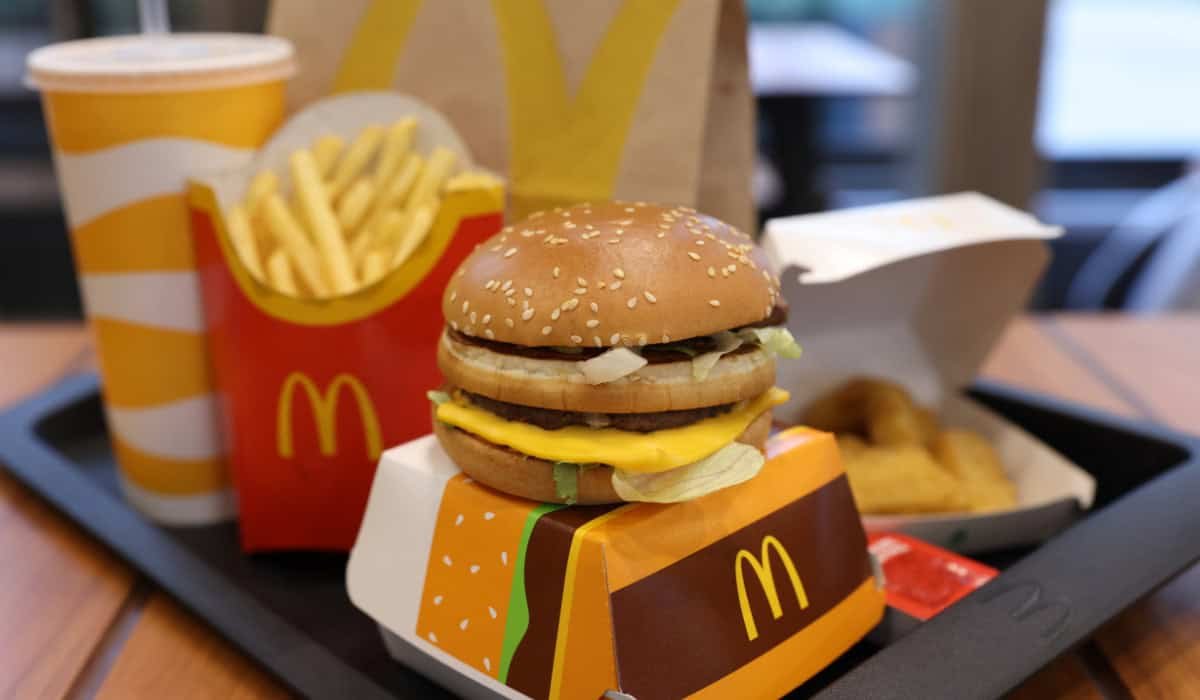
The McDouble is a McDonald’s classic, featuring two beef patties, a slice of American cheese, pickles, onions, ketchup, and mustard on a toasted bun. It’s a budget-friendly option, often praised on Reddit for its “protein bang for your buck” at fast food prices. With no lettuce or mayo, it’s simpler than a Big Mac but still delivers bold flavor. Its popularity stems from convenience, taste, and value, but McDouble nutrition facts are key to understanding its place in a healthy diet. Let’s look at the numbers to see what’s really in this burger.

McDouble Nutrition Facts: The Basics
McDouble nutrition facts are based on a standard serving, which weighs about 165 grams. The data below comes from McDonald’s official nutrition information and USDA estimates for similar burgers, accurate as of July 2025.
- Calories: 400
- Protein: 22 grams
- Fat: 20 grams
- Saturated Fat: 8 grams
- Trans Fat: 1 gram
- Carbohydrates: 33 grams
- Sugars: 7 grams
- Fiber: 2 grams
- Sodium: 920 milligrams
- Cholesterol: 65 milligrams
- Calcium: 110 milligrams (8% of daily value)
- Iron: 3.5 milligrams (20% of daily value)
- Potassium: 330 milligrams (7% of daily value)
These numbers are for a standard McDouble with no modifications. Customizations, like adding mayo or extra cheese, can change McDouble nutrition facts, which we’ll cover later.
How Customizations Affect McDouble Nutrition Facts
Modifying your McDouble can shift its nutrition profile:
- No Cheese: Cuts about 50 calories, 4 grams of fat, and 180 mg of sodium.
- Extra Cheese: Adds 50 calories, 4 grams of fat, and 180 mg of sodium.
- Add Mayo: Increases calories by 90 and fat by 10 grams per tablespoon.
- No Bun: Reduces carbs to 2–3 grams and calories to ~250, ideal for low-carb diets.
- Add Lettuce and Tomato: Adds 10–15 calories and 1 gram of fiber, boosting nutrients slightly.
For example, a McDouble without cheese and with lettuce drops to 350 calories and 740 mg sodium, making McDouble nutrition facts more diet-friendly.
Health Benefits of McDouble Nutrition Facts
While the McDouble is a fast food item, it has some nutritional perks when eaten in moderation. Here’s what McDouble nutrition facts offer:
1. High Protein for Muscle and Fullness
With 22 grams of protein, McDouble nutrition facts make it a filling option that supports muscle repair and growth. Protein helps you stay satisfied, which can prevent overeating later. A fitness fan on X noted that a McDouble is their go-to post-workout meal for quick protein on a budget.
2. Iron for Energy
McDouble nutrition facts include 20% of your daily iron, which helps carry oxygen in the blood, reducing fatigue. This is especially helpful for people with low iron levels, like those with anemia, when paired with vitamin C-rich foods like orange juice.
3. Calcium for Bones
With 8% of your daily calcium, McDouble nutrition facts contribute to bone health. The cheese provides most of this calcium, supporting strong bones and teeth, though it’s not a major source compared to dairy-heavy foods.
4. Affordable Nutrition
At $2–3, McDouble nutrition facts deliver decent protein and nutrients for a low cost. For budget-conscious eaters, it’s a practical way to get protein and iron without breaking the bank, as praised in Reddit discussions.
5. Quick Energy from Carbs
With 33 grams of carbs, McDouble nutrition facts provide quick energy, making it a convenient choice for busy days or post-exercise refueling. The carbs come mainly from the bun and condiments, offering a balanced energy source when paired with protein.
Potential Drawbacks of McDouble Nutrition Facts
McDouble nutrition facts also come with downsides, especially for frequent fast food eaters. Here’s what to consider:
1. High Sodium Content
With 920 milligrams of sodium, McDouble nutrition facts account for nearly 40% of the daily recommended limit (2,300 mg). High sodium can raise blood pressure, so it’s a concern for people with heart issues or sodium sensitivity.
2. Saturated and Trans Fat
McDouble nutrition facts show 8 grams of saturated fat (40% of the daily limit) and 1 gram of trans fat. Regular consumption of these fats can increase heart disease risk, so the McDouble is best as an occasional treat.
3. Low Fiber
With only 2 grams of fiber, McDouble nutrition facts don’t contribute much to the daily fiber goal (25–30 grams). Low fiber can affect digestion and fullness, so pair with veggies or fruit to balance your meal.
4. Added Sugars
The 7 grams of sugars in McDouble nutrition facts come from the bun and ketchup. While not excessive, frequent fast food meals can add up, contributing to weight gain or blood sugar issues for those with diabetes.
5. Limited Micronutrients
McDouble nutrition facts lack significant amounts of vitamins A, C, or D, and have minimal fiber or antioxidants. It’s not a nutrient-dense meal, so it’s best paired with nutrient-rich sides like a side salad or apple slices.
Tips for Making the McDouble Healthier
To align McDouble nutrition facts with a healthier diet, try these tips:
- Skip the Cheese: Cuts fat, sodium, and calories for a leaner burger.
- Ask for No Salt: Reduces sodium by 100–200 mg if the patties are cooked fresh.
- Add Veggies: Request lettuce or tomato for extra fiber and nutrients without many calories.
- Pair with Water: Skip sugary sodas to keep calories low and avoid extra sugar.
- Balance Your Day: If eating a McDouble, choose lighter meals like salads or grilled proteins for the rest of the day.
Creative Ways to Enjoy the McDouble
McDouble nutrition facts make it versatile for creative meals. Here are some ideas to tweak it or use leftovers:
- Burger Salad: Crumble a McDouble (no bun) over a bed of greens with a light vinaigrette for a 300-calorie meal.
- Low-Carb Wrap: Remove the bun and wrap the patties, cheese, and pickles in lettuce for a 250-calorie keto-friendly option.
- McDouble Bowl: Chop the burger and mix with steamed veggies and brown rice for a 400-calorie bowl.
- Breakfast Hack: Use McDouble patties with a scrambled egg and salsa in a tortilla for a 350-calorie breakfast taco.
- Share It: Split a McDouble with a friend and pair with apple slices for a 250-calorie snack.
These ideas keep McDouble nutrition facts in check while adding variety. A Reddit user suggested crumbling McDouble patties into a homemade soup for a quick, protein-packed meal.
McDouble Nutrition Facts in Different Diets
McDouble nutrition facts can fit various diets with adjustments:
- Low-Carb/Keto: Remove the bun to drop carbs to 2–3 grams, keeping it keto-friendly.
- Low-Fat: Skip the cheese and ask for no mayo to reduce fat to 12–15 grams.
- High-Protein: 22 grams of protein make it great for muscle-building or high-protein diets.
- Weight Loss: At 400 calories, it can work if paired with low-calorie sides and limited to occasional meals.
- Vegetarian: Not suitable, but McDonald’s offers veggie options like the McPlant (where available).
Pair with nutrient-dense foods like salads to balance its limited micronutrients.
Comparing McDouble to Other Fast Food Burgers
How do McDouble nutrition facts compare to other burgers (per standard serving)?
- Burger King Whopper Jr.: 340 calories, 13 grams fat, 27 grams carbs, 15 grams protein
- Wendy’s Jr. Cheeseburger: 290 calories, 14 grams fat, 26 grams carbs, 15 grams protein
- Taco Bell Soft Taco (Beef): 200 calories, 9 grams fat, 17 grams carbs, 10 grams protein
- Chick-fil-A Grilled Chicken Sandwich: 390 calories, 11 grams fat, 45 grams carbs, 28 grams protein
McDouble nutrition facts show higher calories and protein than smaller burgers but more sodium and fat than grilled options like Chick-fil-A’s sandwich.
Buying and Eating the McDouble
To get the most from McDouble nutrition facts:
- Order Fresh: Ask for a freshly made McDouble to avoid soggy buns or extra salt from pre-cooked patties.
- Check Promotions: McDonald’s often offers deals like $2 McDoubles via their app, as noted on X.
- Customize Smart: Request modifications like no cheese or extra veggies at the counter or drive-thru.
- Eat Promptly: Consume within an hour of purchase to maintain quality and safety.
Safety and Preparation Tips
McDouble nutrition facts assume proper handling:
- Check Temperature: Ensure the burger is hot when served to confirm it’s freshly cooked.
- Store Safely: Refrigerate leftovers within 2 hours and eat within 1–2 days. Reheat to 165°F.
- Allergy Check: Confirm no allergies to ingredients like wheat (bun), dairy (cheese), or soy (in some condiments).
- Avoid Cross-Contamination: If you’re sensitive to gluten or dairy, ask about kitchen practices.
McDouble Nutrition Facts in Pop Culture
The McDouble is a fast food icon, with Google searches for “McDouble nutrition facts” up 22% in the past year. It’s a favorite among budget eaters and students, with X users calling it “the ultimate cheap protein.” It’s also sparked debates on Reddit about its value versus competitors like Wendy’s, with many praising its double patties for the price. McDonald’s marketing often highlights the McDouble as a core menu item, cementing its place in fast food culture.
FAQs About McDouble Nutrition
1. Where are the ingredients sourced for McDouble nutrition?
Answer: McDouble comes from ingredients like beef patties, buns, and cheese sourced through McDonald’s global supply chain, primarily from U.S. suppliers for North American locations. Beef comes from approved farms, often in the Midwest, while buns and cheese are from domestic bakeries and dairy providers. Exact sources vary, but McDonald’s emphasizes quality control. This doesn’t change McDouble nutrition but ensures consistency. Check McDonald’s website for supplier details.
2. How does McDouble nutrition affect blood sugar control?
Answer: McDouble includes 33 grams of carbs, mostly from the bun and ketchup, which can raise blood sugar, especially for people with diabetes. The 22 grams of protein and 2 grams of fiber help slow sugar absorption, but the 7 grams of sugars may still spike levels. Eat with a low-carb side like a side salad and consult a doctor for diabetes-friendly fast food choices.
3. Is McDouble nutrition suitable for a low-FODMAP diet?
Answer: McDouble may not fully suit a low-FODMAP diet due to onions and the bun’s wheat, which contain FODMAPs like fructans. Request no onions and remove the bun to reduce potential IBS triggers. The beef and cheese are low-FODMAP, but test small portions to ensure McDouble works for your digestive needs.
4. Can McDouble nutrition support athletic performance?
Answer: McDouble provides 22 grams of protein, ideal for muscle recovery after workouts, and 33 grams of carbs for quick energy. The iron (20% of daily value) supports oxygen delivery during exercise. However, the high sodium (920 mg) may cause bloating, so pair with water and eat within 2 hours post-workout for best results.
5. What is the environmental impact of McDouble nutrition?
Answer: McDouble reflects beef, cheese, and bun production, which has a moderate environmental footprint due to cattle farming and packaging. McDonald’s aims to reduce emissions through sustainable sourcing, but beef contributes to greenhouse gases. Choose smaller portions or plant-based options like the McPlant to lessen the environmental impact while enjoying McDouble nutrition.
6. Is McDouble nutrition safe for pregnant women?
Answer: McDouble is safe for pregnant women if cooked fresh to 165°F to eliminate bacteria like Listeria. The 22 grams of protein and 20% of daily iron support fetal growth and maternal energy. However, the 920 mg sodium may contribute to swelling, so limit to occasional meals and consult a doctor for pregnancy dietary needs.
7. How does McDouble nutrition impact dental health?
Answer: McDouble includes 7 grams of sugars from ketchup and the bun, which can feed bacteria and contribute to cavities if eaten often. The cheese’s calcium (8% of daily value) supports tooth strength, but sticky residues may linger. Brush or rinse after eating to protect dental health while consuming McDouble nutrition.
8. Can McDouble nutrition be frozen for later use?
Answer: Freezing a McDouble preserves McDouble (400 calories, 22 grams protein) for up to 1–2 months if stored in airtight wrapping. The bun may become soggy upon thawing, but nutrients remain intact. Reheat to 165°F in an oven or microwave to ensure safety and maintain McDouble nutrition quality.
9. How does McDouble nutrition compare to other McDonald’s burgers?
Answer: Compared to a McChicken (400 calories, 14 grams protein, 21 grams fat) or Quarter Pounder with Cheese (520 calories, 31 grams protein, 26 grams fat), McDouble nutrition (400 calories, 22 grams protein, 20 grams fat) offers a balanced protein-to-calorie ratio. It’s higher in sodium (920 mg) than a McChicken (820 mg), so customize to reduce salt.
10. Is McDouble nutrition suitable for kids under five?
Answer: McDouble provides 22 grams of protein and 8% of daily calcium, supporting growth, but its 920 mg sodium is high for kids under five (daily limit ~1,200 mg). The bun’s wheat may also pose choking risks. Offer small, bunless portions with no cheese and pair with milk or apple slices for a kid-friendly meal.
Final Thoughts on McDouble Nutrition Facts
McDouble facts reveal a protein-packed, budget-friendly burger with 400 calories, 22 grams of protein, and 20 grams of fat. Its high sodium (920 mg) and low fiber (2 grams) make it best as an occasional treat, but smart customizations like skipping the cheese or bun can improve its health profile. Whether you’re grabbing a quick lunch or using it in creative recipes, McDouble nutrition facts can fit a balanced diet with mindful choices. Enjoy this fast food favorite responsibly for a tasty, affordable meal.