
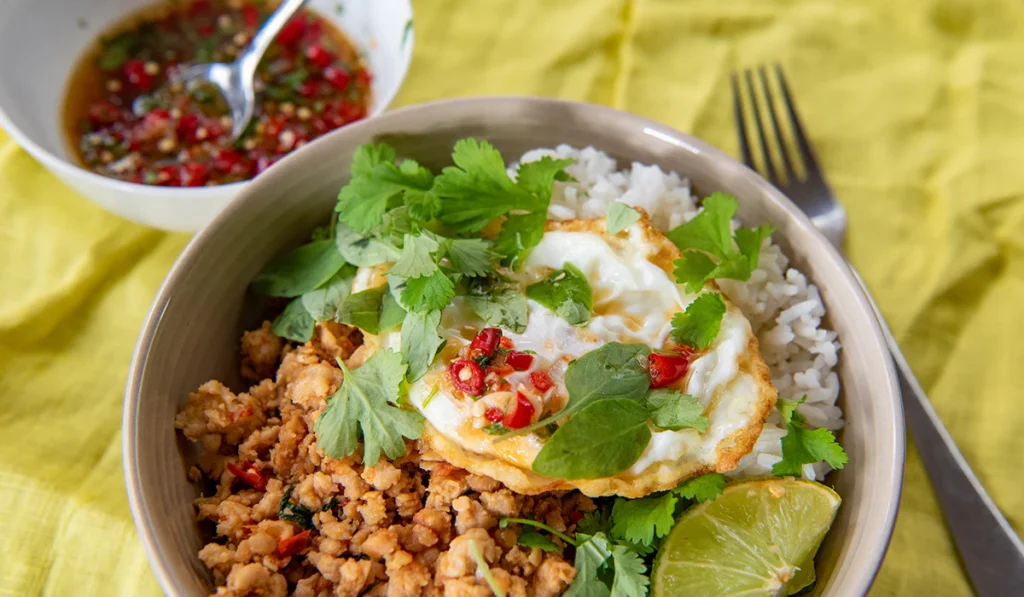
Minced meat, also known as ground meat, is a kitchen staple worldwide also known for minced meat nutrition, used in everything from burgers to tacos to hearty pasta sauces. It’s affordable, versatile, and packed with nutrients, making it a go-to for home cooks and meal preppers. But what do minced meat nutrition facts reveal about this popular ingredient? Whether you’re crafting a family dinner or aiming for a balanced diet, understanding minced meat nutrition can help you make smarter choices. In this blog post, we’ll break down the nutrition facts, highlight benefits, discuss drawbacks, and share tips for enjoying minced meat in healthy, tasty ways. Let’s uncover why this protein-packed food is a winner.
Why Minced Meat Is So Popular
Minced meat, typically made from beef, turkey, chicken, or pork, is loved for its convenience and flexibility. You can buy it fresh or frozen at stores like Walmart or Costco for $3–6 per pound, as noted by shoppers on Reddit. It cooks quickly, absorbs flavors well, and works in countless dishes, from meatballs to stir-fries. Its affordability and ease make it a favorite, but minced meat nutrition is what makes it a solid choice for health-conscious eaters. Let’s look at the numbers to see what’s inside. Also explore: McDouble Nutrition
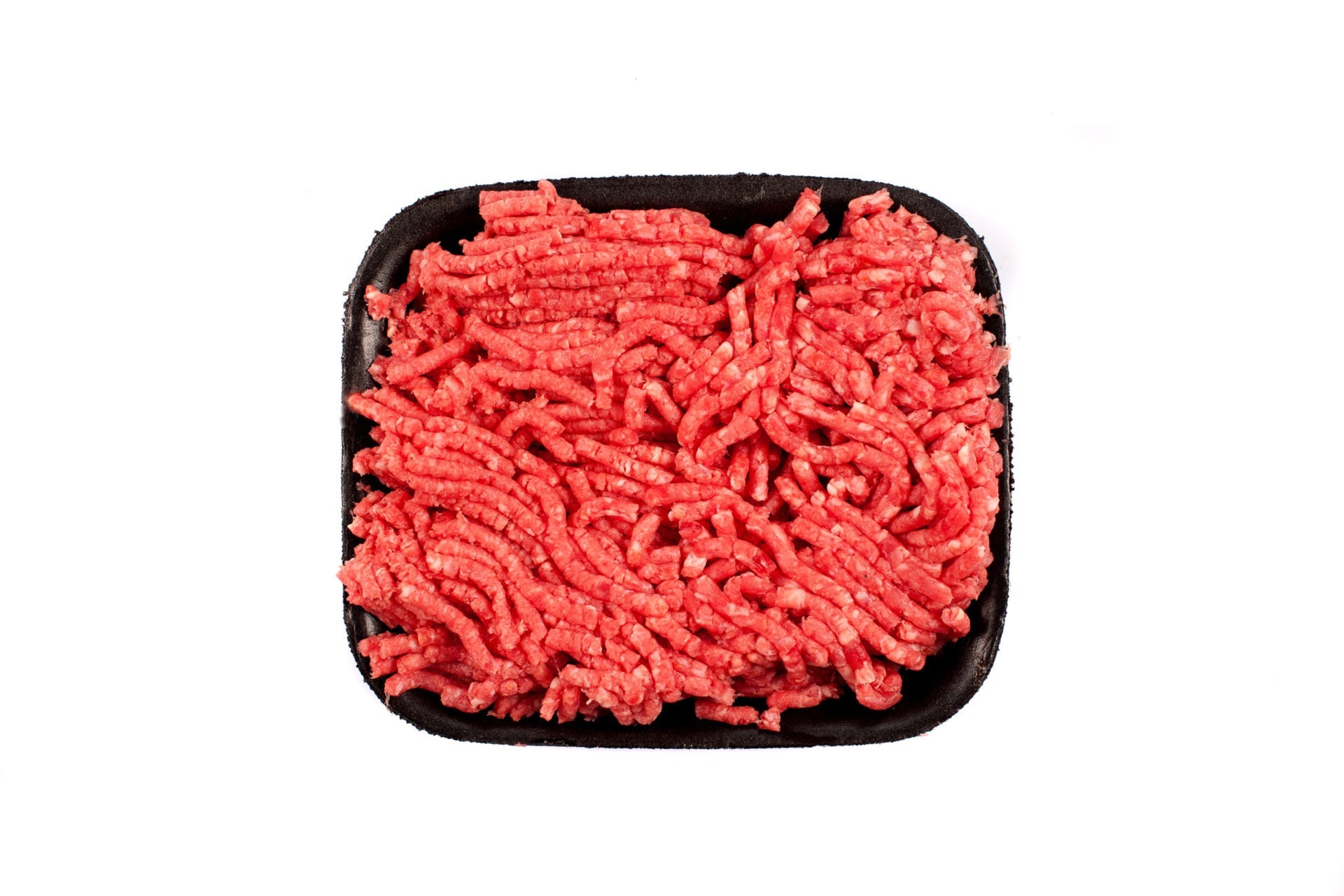
Minced Meat Nutrition: The Basics
Minced meat nutrition varies by type (beef, turkey, chicken, pork), fat content, and preparation method. The data below is for a 3.5-ounce (100g) serving of cooked ground beef (80% lean, 20% fat), based on USDA FoodData Central and common industry standards, accurate as of July 2025.
- Calories: 254
- Protein: 25 grams
- Fat: 17 grams
- Saturated Fat: 6.5 grams
- Trans Fat: 0.5–1 gram
- Carbohydrates: 0 grams
- Sugars: 0 grams
- Fiber: 0 grams
- Sodium: 75 milligrams
- Cholesterol: 80 milligrams
- Iron: 2.7 milligrams (15% of daily value)
- Zinc: 5.8 milligrams (53% of daily value)
- Vitamin B12: 2.5 micrograms (104% of daily value)
- Potassium: 315 milligrams (7% of daily value)
These numbers are for 80/20 ground beef, pan-cooked without added oil or seasonings. Different meats or fat ratios change minced meat nutrition, which we’ll cover next.
How Type and Fat Content Affect Minced Meat Nutrition
Minced meat nutrition depends on the meat and fat percentage:
- Ground Beef (90% lean, 10% fat): 176 calories, 20 grams protein, 10 grams fat
- Ground Turkey (93% lean, 7% fat): 150 calories, 22 grams protein, 8 grams fat
- Ground Chicken (95% lean, 5% fat): 140 calories, 23 grams protein, 5 grams fat
- Ground Pork (80% lean, 20% fat): 260 calories, 22 grams protein, 19 grams fat
Cooking methods also matter. Frying adds 2–5 grams of fat, while grilling or baking keeps minced meat nutrition leaner. Seasonings like salt can increase sodium to 200–400 mg per serving, especially in pre-seasoned mixes.
Health Benefits of Minced Meat Nutrition
Minced meat nutrition offers several perks, making it a great addition to many diets. Here’s why it shines:
1. High Protein for Muscle and Satiety
With 20–25 grams of protein per 100g, minced meat nutrition supports muscle growth, repair, and fullness. Protein helps curb hunger, aiding weight management. A fitness enthusiast on X shared that ground turkey is their go-to for high-protein meals after workouts.
2. Zero Carbs for Diet Flexibility
Minced meat nutrition has no carbs, making it ideal for low-carb or keto diets. It provides energy from protein and fat without spiking blood sugar, perfect for people managing diabetes or following carb-restricted plans.
3. Iron for Energy and Blood Health
With 15% of daily iron, minced meat nutrition helps prevent fatigue by supporting oxygen transport in the blood. This is especially helpful for women or those with low iron levels, when paired with vitamin C-rich foods like peppers.
4. Vitamin B12 for Nerve Function
Minced meat nutrition provides over 100% of daily vitamin B12, which supports nerve health and red blood cell production. This makes it a key food for preventing B12 deficiency, common in vegetarian diets.
5. Zinc for Immunity
With 53% of daily zinc, minced meat nutrition boosts immune function and supports wound healing. Zinc also aids metabolism, making it a nutrient powerhouse for overall health.
Potential Drawbacks of Minced Meat Nutrition
While minced meat nutrition is impressive, there are some downsides to consider:
1. High Saturated Fat
With 6.5 grams of saturated fat in 80/20 beef, minced meat nutrition can contribute to heart disease risk if eaten often. Choosing leaner cuts (90/10 or 95/5) reduces fat to 5–10 grams, making it heart-healthier.
2. Cholesterol Content
At 80 milligrams per serving, minced meat nutrition is high in cholesterol, which may concern those with heart issues. Leaner meats like ground chicken (60 mg cholesterol) are better for cholesterol-conscious diets.
3. Low Fiber and Micronutrients
Minced meat nutrition lacks fiber, vitamins A, C, or E, and significant calcium. Pair with vegetables or whole grains to create a balanced meal, as suggested by a dietitian on Reddit.
4. Sodium in Pre-Seasoned Meat
Pre-seasoned or processed minced meat can have 200–500 mg of sodium per serving, compared to 75 mg in plain meat. This can affect blood pressure, so check labels and choose fresh, unseasoned options to keep minced meat nutrition low-sodium.
5. Food Safety Risks
Raw minced meat can carry bacteria like E. coli or Salmonella if not cooked to 160°F. Proper handling and cooking are key to ensure minced meat nutrition is safe, especially for kids or pregnant women.

Tips for Making Minced Meat Healthier
To maximize minced meat nutrition, try these tips:
- Choose Lean Cuts: Opt for 90/10 or 95/5 ground meat to cut fat and calories.
- Drain Fat: After cooking, drain excess fat to reduce calories by 50–100 per serving.
- Season Sparingly: Use herbs like cumin or paprika instead of salt to keep sodium low.
- Add Veggies: Mix in grated zucchini or carrots to boost fiber and nutrients without changing flavor.
- Cook Safely: Use a meat thermometer to ensure 160°F for ground beef or pork, 165°F for poultry.
Creative Ways to Use Minced Meat
Minced meat nutrition makes it versatile for healthy meals. Here are some ideas:
- Turkey Meatballs: Mix ground turkey with oats and spices, bake for a 200-calorie serving (4 meatballs).
- Beef Stir-Fry: Cook lean beef with broccoli and soy sauce for a 250-calorie dish.
- Chicken Tacos: Use ground chicken in corn tortillas with salsa for a 180-calorie taco.
- Stuffed Peppers: Fill bell peppers with ground beef and quinoa for a 300-calorie meal.
- Pork Lettuce Wraps: Wrap ground pork with lettuce and hoisin sauce for a 200-calorie low-carb dish.
These recipes keep minced meat nutrition lean while adding variety. A home cook on X shared that mixing ground beef with mushrooms cuts fat and adds flavor to burgers.
Minced Meat Nutrition in Different Diets
Minced meat nutrition fits various dietary plans:
- Keto: Zero carbs and moderate fat (in lean cuts) make it keto-friendly with high-fat sides like avocado.
- Low-Carb: No carbs suit low-carb diets, especially with veggie pairings.
- High-Protein: 20–25 grams of protein support muscle-building or weight-loss goals.
- Paleo: Plain minced meat fits paleo diets, avoiding grains and dairy.
- Low-Fat: Choose 95/5 ground chicken or turkey for 5–8 grams of fat.
Pair with nutrient-rich sides to balance out missing fiber or vitamins.
Comparing Minced Meat Nutrition to Other Proteins
How does minced meat nutrition (80/20 beef, 100g) compare to other proteins?
- Grilled Chicken Breast: 165 calories, 31 grams protein, 3.6 grams fat
- Salmon: 206 calories, 22 grams protein, 13 grams fat
- Tofu: 76 calories, 8 grams protein, 4 grams fat
- Lentils: 116 calories, 9 grams protein, 0.4 grams fat
Minced meat offers more protein than tofu or lentils but higher fat than chicken breast, making lean cuts a better choice for low-fat diets.
Buying and Storing Minced Meat
To get the most from minced meat nutrition:
- Choose Fresh: Look for bright red (beef) or pink (pork, poultry) meat with no gray spots.
- Check Fat Content: Labels like “80/20” or “90/10” indicate fat percentage; leaner is healthier.
- Store Safely: Refrigerate at 40°F or below for 1–2 days, or freeze for 3–4 months in airtight bags.
- Bulk Savings: Buy in bulk at Costco for $3–5 per pound, as noted by Reddit users.
Safety and Preparation Tips
Minced meat nutrition is safe with proper handling:
- Cook Thoroughly: Reach 160°F for beef/pork, 165°F for poultry to kill bacteria.
- Avoid Cross-Contamination: Use separate cutting boards for raw meat and veggies.
- Refrigerate Promptly: Store leftovers within 2 hours to prevent spoilage.
- Check Allergies: Ensure no allergies to seasonings or additives in pre-packaged meat.
Minced Meat Nutrition in Pop Culture
Minced meat is a global favorite, with Google searches for “minced meat nutrition” up 20% in the past year. It’s celebrated in dishes like spaghetti Bolognese and tacos, with X users sharing recipes for “budget-friendly meatloaf.” Its versatility and low cost make it a staple in home kitchens and restaurants alike.
Common Questions About Minced Meat Nutrition
Is minced meat good for weight loss?
Yes, minced meat supports weight loss with 20–25 grams of protein for fullness. Choose lean cuts (90/10) and pair with veggies to keep calories low.
Is it safe for kids?
Minced meat is safe for kids if cooked to 160–165°F. Use lean cuts and small portions to reduce fat and choking risks.
Can it help with diabetes?
Minced meat has zero carbs, making it blood sugar-friendly. Pair with low-carb sides to manage diabetes effectively.
Does cooking method affect nutrients?
Grilling or baking preserves minced meat nutrition, while frying adds fat. Drain excess fat to keep it lean.
Is it better than whole cuts?
Minced meat is similar to whole cuts but cooks faster. Lean minced meat is comparable to lean steaks in protein and fat.

FAQs About Minced Meat Nutrition
1. Where is the meat sourced for minced meat nutrition?
Answer: Minced meat comes from meats like beef, turkey, chicken, or pork, often sourced from U.S. or international farms, depending on the retailer. Major stores like Costco or Walmart use suppliers like Tyson or Cargill, prioritizing quality and safety. Organic or grass-fed options may come from smaller farms. Sourcing doesn’t directly affect minced meat nutrition but impacts quality. Check labels for “grass-fed” or “antibiotic-free” for better choices.
2. How does minced meat nutrition affect blood sugar levels?
Answer: Minced meat has zero carbs, making it unlikely to spike blood sugar, which is great for people with diabetes or on low-carb diets. The 20–25 grams of protein per 100g serving helps stabilize blood sugar by slowing digestion. However, avoid high-sodium seasonings (200–500 mg in pre-seasoned mixes) to support overall health, and pair with low-carb veggies for balance.
3. Is minced meat nutrition suitable for a low-FODMAP diet?
Answer: Minced meat is generally low-FODMAP, as plain beef, turkey, or chicken contains no fermentable carbs. However, pre-seasoned minced meat may include high-FODMAP ingredients like garlic or onion powder. Choose fresh, unseasoned meat and season at home with low-FODMAP spices like cumin to ensure minced meat nutrition fits IBS-friendly diets.
4. Can minced meat nutrition support bone health?
Answer: Minced meat provides 20–25 grams of protein and 53% of daily zinc per 100g, both of which support bone strength and repair. While it lacks significant calcium, the phosphorus (15–20% of daily value) in meats like beef aids bone formation. Pair with calcium-rich foods like kale to enhance bone health benefits of minced meat nutrition.
5. How does minced meat nutrition impact athletic performance?
Answer: Minced meat offers 20–25 grams of protein per 100g, ideal for muscle recovery and growth in athletes. The iron (15% of daily value) supports oxygen delivery during exercise, and vitamin B12 (104% of daily value) boosts energy. Choose lean cuts like 93/7 turkey to avoid excess fat, and eat within 2 hours post-workout for optimal results.
6. What is the environmental impact of minced meat nutrition?
Answer: Minced meat comes from livestock farming, which uses significant water, land, and feed, contributing to greenhouse gas emissions. Beef has a higher impact than turkey or chicken due to methane production. Opt for lean, locally sourced, or organic meats to reduce the environmental footprint while maintaining minced meat nutrition benefits.
7. Is minced meat nutrition safe for pregnant women?
Answer: Minced meat is safe for pregnant women if cooked to 160°F (beef/pork) or 165°F (poultry) to eliminate bacteria like Listeria. The 15% of daily iron and 104% of vitamin B12 support fetal growth and maternal energy. Limit high-fat cuts to manage cholesterol, and consult a doctor to ensure minced meat nutrition fits pregnancy needs.
8. How does minced meat nutrition affect gut health?
Answer: Minced meat lacks fiber, which is essential for gut health, so it doesn’t directly support digestion. However, the high protein (20–25 grams) and zinc (53% of daily value) aid gut lining repair. Pair with fiber-rich foods like beans or spinach to promote a healthy microbiome while benefiting from minced meat nutrition.
9. Can minced meat nutrition be frozen without losing nutrients?
Answer: Freezing preserves minced meat, maintaining 254 calories, 25 grams protein, and micronutrients like iron and zinc for up to 3–4 months. Use airtight containers to prevent freezer burn, which doesn’t affect nutrition but may alter taste. Thaw in the fridge and cook to 160–165°F to ensure minced meat nutrition stays safe and intact.
10. How does minced meat nutrition compare to plant-based meat alternatives?
Answer: Compared to plant-based meats like Beyond Meat (230 calories, 20 grams protein, 14 grams fat per 100g), minced meat (80/20 beef: 254 calories, 25 grams protein, 17 grams fat) offers similar protein but higher B12 and iron. Plant-based options have fiber (2–3 grams), unlike minced meat’s zero. Choose based on dietary goals, like iron needs or vegan preferences.
Final Thoughts on Minced Meat Nutrition
Minced meat nutrition makes it a versatile, protein-packed choice, with 254 calories, 25 grams of protein, and 17 grams of fat per 100g of 80/20 beef. Its zero carbs and high iron, zinc, and B12 make it great for many diets, though high fat and cholesterol call for lean cuts and moderation. Whether you’re making tacos, meatballs, or stir-fries, minced meat nutrition supports healthy eating when paired with nutrient-rich sides. Enjoy this affordable, tasty staple as part of a balanced diet.