
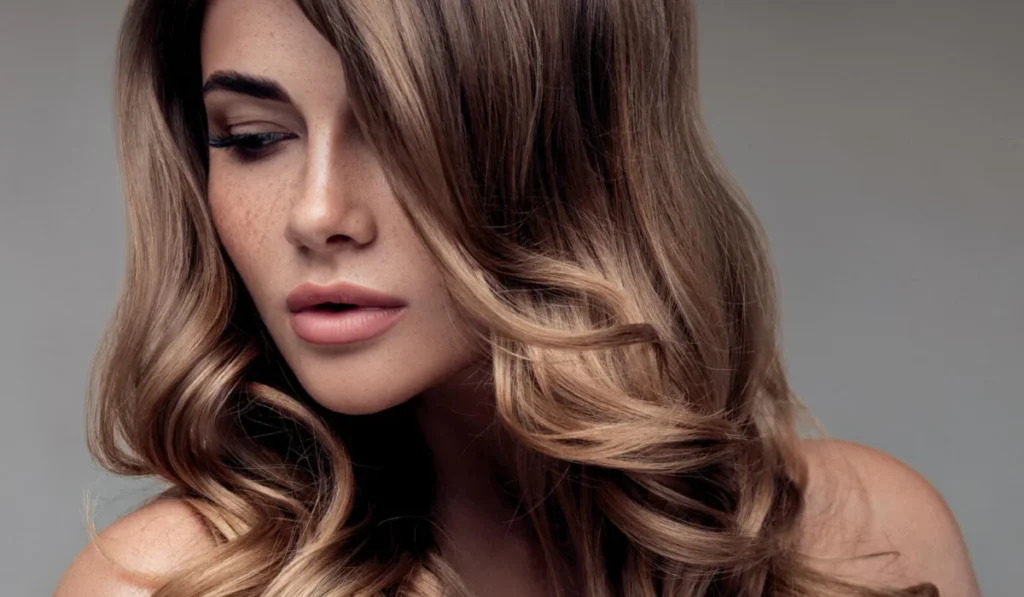
Blue shampoo before and after is perfect if you have booked the salon appointment, spent hours in the chair, and walked out with the perfect cool, ashy hair color. But a few weeks later, you notice it. A strange yellow glow. An orange shadow near your roots. That unwanted warmth is called brassiness, and it’s the enemy of beautiful blonde, silver, and highlighted hair. This is the moment you need to understand the true story of blue shampoo before and after.
This guide is your personal look at what blue shampoo can do. We will walk through exactly what happens when you use it, what you can expect to see in the mirror, and how to make it work for you. The transformation in a typical blue shampoo before and after is not about magic; it’s about color science. And it’s a science you can easily master at home.
Let’s get started on your journey to cooler, brighter hair.
Also check: Blue Shampoo for Brunettes

What is Blue Shampoo and Who Exactly is it For?
Before you can understand a blue shampoo before and after result, you need to know what this product is. Blue shampoo is a toning shampoo. It contains blue pigments that act like a gentle, temporary color corrector for your hair.
Think back to elementary art class. Remember the color wheel? Colors directly opposite each other cancel one another out. On that wheel, blue sits directly across from orange. This is the core principle behind every blue shampoo before and after transformation.
-
Purple shampoo neutralizes yellow tones.
-
Blue shampoo neutralizes orange tones.
So, who should use it? Blue shampoo is your best friend if you have:
-
Brunette hair that has been lightened or highlighted. Bleached brown hair very often turns a brassy orange.
-
Dark blonde or “dirty blonde” hair. If your blonde isn’t platinum, it probably develops orange brassiness.
-
Honey-toned balayage or highlights that have become too warm.
-
Gray or white hair that has developed a yellowish-orange stain from minerals in water or environmental pollutants.
If your hair is a very pale, icy blonde, you likely need a purple shampoo. But for anyone battling orange, the blue shampoo before and after effect is what you’re looking for.
The Realistic Blue Shampoo Before and After: Setting Your Expectations
When you search for blue shampoo before and after photos online, you see dramatic results. It’s important to know what is possible and what is not. This product is for maintenance and correction, not for a complete color change.
Let’s paint a picture of a typical situation.
The “Before” Scenario: Why You Reach for the Blue Bottle
Your blue shampoo before and after story starts with the “before” picture. What does that look like?
-
Your cool blonde hair now has a distinct golden-orange hue.
-
Your highlights, especially around the face, look more like orange streaks.
-
Your overall hair color looks muddy, dull, and lacks its original brightness.
-
The color seems uneven, with some parts looking warmer than others.
This “before” state is caused by washing, sun exposure, and heat styling. These elements strip away the cool toner your stylist applied, revealing the underlying warm pigment in your lightened hair.
The “After” Scenario: The Result of a Successful Blue Shampoo Treatment
Now for the good part—the “after.” What does a successful blue shampoo before and after look like?
-
The orange tones are significantly reduced. This is the most noticeable change. That brassy glare is gone.
-
Your hair returns to a cooler, ashier tone. It looks cleaner, fresher, and more sophisticated.
-
Your color appears brighter. By canceling the dulling orange, your hair reflects more light and looks more vibrant.
-
The overall look is more polished and intentional. Instead of looking like faded color, your hair looks freshly toned.
It’s crucial to know that the blue shampoo before and after effect is cumulative. You will see a difference after one use, but the best results build up over two or three washes. The effect is also temporary. You will need to keep using the shampoo to maintain that cool tone.

Your Step-by-Step Guide to the Perfect Blue Shampoo Application
Getting a great blue shampoo before and after result is all about technique. Using it correctly is simple, but doing it wrong can lead to problems like blue-tinted hair. Follow these steps for a perfect application every time.
Step One: Preparation and Product Selection
Start with completely wet hair in the shower. Squeeze out the excess water. You will need a generous amount of blue shampoo—often more than your regular shampoo because these formulas are rich and pigmented.
Choose a product that fits your needs. Some popular and effective options include Matrix Total Brass Off Blue Shampoo, which is known for strong toning, and Redken Color Extend Brownlights, which is great for brunettes fighting brass. The right product is the first step toward a successful blue shampoo before and after.
Step Two: Application and Lathering
Work the shampoo into a rich lather in your hands first. Then, apply it evenly throughout your hair, making sure to cover every strand. Pay special attention to the areas that are most brassy. This is usually the roots and the previously lightened sections of your hair.
Using a wide-tooth comb in the shower can be a game-changer. It helps distribute the blue pigment evenly from your roots to the ends, ensuring a uniform blue shampoo before and after result without any patchy spots.
Step Three: The Critical Timing Step
This is the most common mistake people make. You do not need to leave blue shampoo on for a long time. The pigments deposit quickly.
For your first time, start with only 1 to 3 minutes. Do not leave it on for 5, 10, or 20 minutes. You can always leave it on longer next time if you need more toning. It is much harder to fix hair that has grabbed too much blue pigment.
If your hair is very porous or damaged from coloring, it will absorb the pigment even faster. For damaged hair, start with just 1 minute. Monitoring the timing is the single most important factor in controlling your blue shampoo before and after outcome.
Step Four: Rinsing and Conditioning
Rinse your hair thoroughly with cool or lukewarm water. Continue rinsing until the water runs completely clear. Using cool water helps to seal the hair cuticle, which locks in the tone and adds shine.
Blue shampoos can be slightly drying, so it is essential to follow with a good conditioner. Use a color-safe conditioner or a deep conditioning mask after every toning session. This keeps your hair soft, smooth, and healthy, complementing the color correction of your blue shampoo before and after routine.
How Often Should You Use Blue Shampoo? Finding Your Schedule
There is no universal rule for frequency. How often you need to create that blue shampoo before and after effect depends on your hair. The right schedule balances fighting brass without over-toning.
Three main factors determine your schedule:
-
Your Hair’s Porosity: Damaged, high-porosity hair absorbs toner fast and holds onto it. If your hair is porous, you will need to use blue shampoo less often to avoid a blue tint.
-
Your Level of Brassiness: Is your hair very orange? You might start by using it twice a week. Is it just a little warm? Once a week is plenty.
-
Your Desired Color: Do you want a noticeably ashier tone? Or do you just want to soften the warmth? Your goal dictates the frequency.
Here is a simple starting guide for your blue shampoo before and after maintenance plan:
-
For High Brassiness: Use blue shampoo twice a week for the first 2-3 weeks.
-
For Standard Maintenance: Use it once a week or every other week.
-
For Prevention: Use it once every two weeks to keep brassiness from returning.
On the days you do not use blue shampoo, wash with a regular, sulfate-free color-safe shampoo. This routine will give you the best long-term blue shampoo before and after relationship, keeping your hair color perfect.
Common Blue Shampoo Mistakes and How to Fix Them
Even with the best intentions, things can sometimes go wrong. Let’s look at some common blue shampoo before and after problems and how to solve them.
Mistake: Leaving the Shampoo On Too Long
The Problem: Your hair has a slight blue or even greenish tint.
The Cause: You treated the shampoo like a deep conditioning mask and left it on for too long.
The Fix: Do not panic. Use a clarifying shampoo on your next wash. It will gradually strip the blue pigment away over one or two washes. Remember this for the future: short timings are key. A good blue shampoo before and after does not require long processing times.
Mistake: Using It On Hair That Doesn’t Need It
The Problem: Your hair looks dull, ashy, or gray.
The Cause: You used blue shampoo on natural, warm-toned hair that wasn’t brassy. The blue pigments canceled out your natural warmth, making your hair look flat.
The Fix: Only use blue shampoo if you have clear, unwanted orange tones from coloring. If you love your natural golden warmth, this product is not for you. The ideal blue shampoo before and after scenario requires the presence of orange brass to correct.
Mistake: Uneven Application
The Problem: Your hair color is uneven—some sections are cool while others remain brassy.
The Cause: You did not distribute the shampoo evenly throughout your hair.
The Fix: Use that wide-tooth comb in the shower. Make sure the lather reaches all sections of your hair, from the back of your head to the underneath layers. A consistent application leads to a consistent blue shampoo before and after result.
Blue Shampoo vs. Purple Shampoo: Choosing Your Fighter
The choice between blue and purple shampoo is simple when you know what you’re fighting. Your blue shampoo before and after goal is to defeat orange. A purple shampoo before and after goal is to defeat yellow.
Here is a quick guide to help you choose:
-
If your hair is platinum, silver, or white and turning yellow, use purple shampoo.
-
If your hair is bleached brown, dark blonde, or highlighted and turning orange, use blue shampoo.
-
If your hair is a “bronde” (a mix of brown and blonde) and the brass is a yellow-orange, you could use either. Start with blue if the orange is more noticeable.
Picking the right color corrector is the first step to a successful toning session and a satisfying blue shampoo before and after experience.
Maximizing and Maintaining Your Blue Shampoo Before and After Results
To make your blue shampoo before and after results last longer and keep your hair healthy, you need a good overall hair care routine.
-
Use a Color-Safe System: On the days you are not using blue shampoo, wash with a sulfate-free shampoo and conditioner designed for color-treated hair. This prevents your overall color from fading quickly.
-
Deep Condition Weekly: Toning shampoos can be drying. Using a weekly hydrating mask will replenish moisture, keeping your hair strong and shiny. Healthy hair holds color better, making your blue shampoo before and after effect look even more vibrant.
-
Protect from Heat: Always use a heat protectant spray before using a blow dryer, flat iron, or curling wand. Heat accelerates color fading and brassiness.
-
Limit Washing: Try to wash your hair every other day or less. This preserves your natural oils and helps your color last longer, extending the life of your blue shampoo before and after transformation.

Frequently Asked Questions About Blue Shampoo Before and After
1. Can I use blue shampoo on fashion colors, like pink or blue hair, to prevent brassiness?
This is a great question for those with creative color. Using blue shampoo on pastel or fashion colors is not recommended. The blue pigments will mix with your existing color, potentially creating a muddy or unwanted shade. For example, blue shampoo on pink hair could result in a purplish tone, and on green hair, it could make it teal. To maintain fashion colors, use a color-safe, sulfate-free shampoo and a dedicated toner or color-depositing product made for your specific shade.
2. I have a keratin treatment or a Brazilian blowout. Can I use blue shampoo without ruining it?
You can, but with caution. Most modern keratin treatments are formulated to be compatible with sulfate-free systems. Since blue shampoos are often sulfate-free, they should be safe. However, the extended processing time (leaving it on for 1-3 minutes) can be more stripping than a quick wash. To be safe, check with your stylist. They may recommend a specific brand or suggest using it less frequently to ensure your straightening treatment lasts as long as possible.
3. Should I use a clarifying shampoo before my first blue shampoo treatment?
Yes, this is a pro tip for a more even and dramatic blue shampoo before and after result. Product buildup, hard water minerals, and leftover styling products can create a barrier on the hair shaft, preventing the blue pigment from adhering evenly. Using a clarifying shampoo 1-2 days before your first toning session will strip this buildup, allowing the blue shampoo to work more effectively and consistently on your hair.
4. Why does the top of my hair grab more blue pigment than the ends in my blue shampoo before and after?
This is almost always due to porosity. The hair at your roots and crown is typically newer, healthier, and less porous. The mid-lengths and ends are older, more processed, and often more damaged, making them highly porous. While porous hair absorbs color quickly, it also releases it quickly. Healthier, less porous hair (like your roots) can actually hold onto the blue pigment more stubbornly. This is why you should apply the shampoo evenly but focus the lathering on the mid-lengths and ends first, as they need the most toning, before quickly working it to the roots.
5. Can I use blue shampoo on my “money piece” or face-framing highlights without affecting the rest of my hair?
Absolutely. You can use blue shampoo as a targeted treatment. Simply apply the lather only to the sections that are brassy, like a bright money piece that has turned yellow-orange. Leave it on for the recommended time and rinse. This spot-treatment approach allows you to correct specific areas without further cooling down the rest of your hair, which might have a perfect tone already.
6. Will blue shampoo help with the orange tones in my grown-out highlights between salon appointments?
Yes, this is one of its best uses. As your natural hair grows in, the line of demarcation between your roots and highlights can become noticeable, especially if the lightened hair has turned brassy. Using blue shampoo will tone down the orange in the highlighted sections, creating a smoother, more blended look between your natural root color and your highlights. This makes the grow-out phase much more graceful and less stark.
7. My blue shampoo before and after results are inconsistent. One week it works, the next it doesn’t. Why?
Inconsistency usually points to two issues: water quality or product buildup. If you have hard water, mineral deposits (like calcium and lime) can coat the hair, blocking the toner. This leads to a weak blue shampoo before and after effect. Try using a clarifying or chelating shampoo to remove hard water buildup. The other cause is alternating between different regular shampoos that leave varying amounts of residue, which can interfere with the blue shampoo’s pigment deposition.
8. Can I use blue shampoo on my dark brown, un-bleached hair to make it cooler?
The effect will be extremely subtle, if visible at all. Blue shampoo is designed to deposit pigment onto lightened, porous hair. Dark, un-bleached hair has a tightly closed cuticle and a strong underlying pigment that the blue cannot easily penetrate or alter. You might see a very slight coolness in direct sunlight, but for a noticeable change on dark hair, you would need a professional toner or a demi-permanent gloss applied by a stylist.
9. How long should I wait after coloring my hair to use blue shampoo?
You should wait until after your second or third shampoo, typically about 1-2 weeks after your color service. Your stylist applies a professional toner at the salon, and using a blue shampoo too soon can strip this toner prematurely, undoing their work. Waiting allows the initial color to settle and fade slightly, which is when the at-home maintenance with blue shampoo becomes most beneficial.
10. Is it safe to mix blue shampoo with my regular shampoo or conditioner to make a gentler toner?
This is a common DIY approach, but it’s not ideal. Mixing blue shampoo with a regular shampoo dilutes the pigment concentration, leading to weak and unpredictable results. Mixing it with conditioner is even less effective, as conditioners are designed to coat the hair and close the cuticle, which would prevent the pigment from properly depositing. For a gentler effect, it’s better to use the blue shampoo as directed but for a shorter time (30 seconds to 1 minute) and/or less frequently.
The Final Word on Your Blue Shampoo Journey
The story of blue shampoo before and after is one of smart maintenance. It is a simple, affordable, and incredibly effective tool for preserving your ideal hair color. It gives you control over brassiness between salon visits.
By understanding the cause of brass, applying the product correctly, and maintaining your hair’s health, you can achieve and maintain beautiful, cool-toned hair. The proof is in the pictures and in the mirror. A successful blue shampoo before and after experience means saying goodbye to unwanted orange and hello to the cool, fresh color you love.
Your perfect blue shampoo before and after result is waiting. With this knowledge, you can confidently use blue shampoo to keep your hair looking its absolute best.