
Finding the best moisturizers for rosacea can be difficult. With so many choices, it’s hard to know what’s safe and what could cause more redness or burning. People with rosacea have sensitive skin, and even one wrong product can lead to a flare-up.
This guide is made to help you choose the right moisturizer. We’ll explain what ingredients help, which products are trusted, and how to use them the right way. This post is based on real research, expert advice, and reviews from people who live with rosacea.
Must read: Skin fix

Why You Need a Moisturizer If You Have Rosacea
If you have rosacea, your skin likely loses water faster than normal. This is because the skin barrier is weak. A good moisturizer helps:
- Keep your skin hydrated
- Lower the risk of flare-ups
- Soothe and calm the skin
- Repair the damaged skin barrier
Even if your skin feels oily, a moisturizer can still help. It’s not about how thick the cream is—it’s about using the right one.
What Makes a Moisturizer Safe for Rosacea?
When shopping for the best moisturizers for rosacea, check for these key features:
1. No Fragrance
Fragrance is a top cause of irritation. Even natural scents can lead to redness or itching. Always go for products labeled “fragrance-free.”
2. Light and Non-Greasy
Rosacea skin does not need thick creams. A light gel or lotion that soaks in well works better.
3. Soothing Ingredients
Look for calming ingredients like:
- Niacinamide
- Hyaluronic acid
- Ceramides
- Green tea extract
- Allantoin
- Centella Asiatica
These help reduce redness, stop itching, and keep the skin barrier strong.
4. No Harsh Additives
Avoid ingredients that dry out your skin or cause burning, such as:
- Alcohol
- Witch hazel
- Menthol
- Essential oils
- Eucalyptus
Why Choosing the Best Moisturizers for Rosacea Makes a Real Difference
When looking for the best moisturizers for rosacea, it’s important to understand that not every moisturizer that claims to be gentle is actually safe for your skin. Rosacea is a long-term skin condition that needs daily care, and the moisturizer you choose plays a big role in how your skin feels and looks. The best moisturizers for rosacea are not just about keeping the skin soft; they are meant to calm redness, protect against triggers, and help repair your skin’s natural barrier.
What Ingredients Help the Most in Rosacea Moisturizers?
Many people with rosacea often feel overwhelmed by the number of skincare products available. But the truth is, only a small number of moisturizers are truly safe for rosacea-prone skin. The best moisturizers for rosacea are usually those made with sensitive skin in mind. They don’t include common irritants like alcohol, essential oils, or perfumes. Instead, they focus on ingredients that soothe the skin, such as ceramides, niacinamide, hyaluronic acid, or plant-based calming agents like oat extract and green tea. These ingredients are known to help reduce the redness and dryness that come with rosacea.
Long-Term Benefits of Using the Right Rosacea Moisturizer
Another reason why using the best moisturizers for rosacea is so important is that they help your skin defend itself. A damaged skin barrier means your skin loses moisture quickly and becomes more open to outside problems like heat, wind, or even skincare ingredients that wouldn’t bother other people. By using the right moisturizer regularly, your skin becomes stronger and better at keeping in moisture and keeping out harmful elements.
It’s also important to be patient. Even the best moisturizers for rosacea won’t work overnight. It can take days or weeks to see changes, especially if your skin is very inflamed or reactive. Give your skin time to adjust. Stick with a simple routine using a safe cleanser, one good moisturizer, and sunscreen. The right product will help your skin feel calmer, look less red, and stay protected throughout the day.
Best Moisturizers for Rosacea (2025 Updated List)
Below are the top best moisturizers for rosacea based on expert advice, skin safety, and customer feedback.
1. CeraVe Moisturizing Cream
Why it’s good:
This cream is rich in ceramides, which help fix the skin barrier. It also has hyaluronic acid and niacinamide, both known for calming the skin.
Best for: Dry or flaky rosacea-prone skin
Pros:
- Fragrance-free
- Very hydrating
- Dermatologist-recommended
Cons: May feel too thick for oily skin
2. La Roche-Posay Toleriane Double Repair Face Moisturizer
Why it’s good:
This one uses thermal spring water, niacinamide, and ceramides. It keeps skin balanced without causing breakouts.
Best for: Combination to oily rosacea skin
Pros:
- Lightweight
- Soothes skin
- Supports skin repair
Cons: Slightly expensive
3. Avene Tolerance Control Soothing Skin Recovery Balm
Why it’s good:
Made for extremely sensitive skin. It’s free from preservatives and has calming thermal water.
Best for: Skin that gets red or burns easily
Pros:
- Gentle formula
- No harsh chemicals
- Safe for flare-ups
Cons: Price is on the higher side
4. Vanicream Moisturizing Cream
Why it’s good:
This basic cream avoids all common irritants. It’s safe for people with allergies or chronic skin conditions like rosacea and eczema.
Best for: Daily use on any rosacea skin type
Pros:
- Budget-friendly
- No dyes, fragrance, or parabens
- Trusted by dermatologists
Cons: Simple look, but quality inside
5. Paula’s Choice Calm Rescue & Repair Moisturizer
Why it’s good:
Formulated for redness and sensitivity. Uses natural extracts like oat and licorice to calm skin.
Best for: Skin going through flare-ups
Pros:
- Fast skin relief
- Lightweight and soothing
- Safe ingredients
Cons: A bit costly
6. Eucerin Redness Relief Night Cream
Why it’s good:
Great for nighttime use. Contains licochalcone, a plant extract that helps reduce redness.
Best for: Nighttime skincare for rosacea
Pros:
- Easy to use
- Helps reduce visible redness
- Smooth texture
Cons: No SPF for daytime use
7. Skinfix Barrier+ Triple Lipid-Peptide Cream
Why it’s good:
Focuses on restoring the skin barrier using lipids, peptides, and hyaluronic acid. Works well for dry, sensitive skin.
Best for: Dry rosacea skin needing extra care
Pros:
- Fragrance-free
- Made for barrier repair
- Dermatologist-tested
Cons: Higher price point
Also check: Skinfix Barrier
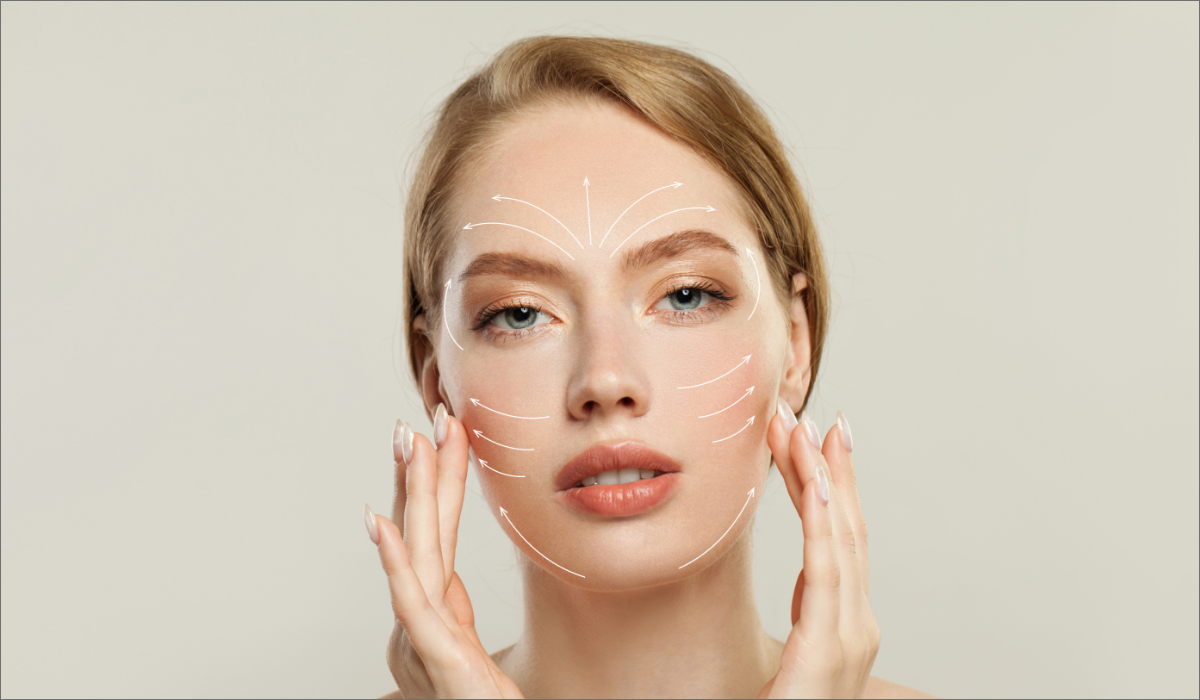
How to Apply Moisturizer for Rosacea the Right Way
Using even the best moisturizer for rosacea the wrong way can lead to irritation. Follow these steps:
Step 1: Wash with a Gentle Cleanser
Use a non-foaming cleanser with no strong scents. Lukewarm water is best.
Step 2: Pat Your Skin Dry
Do not rub your face. Use a soft towel to gently pat it dry.
Step 3: Apply Moisturizer to Damp Skin
Put on the moisturizer while your skin is still a bit damp. This helps trap moisture better.
Step 4: Use Twice Daily
Once in the morning and once at night is enough. Don’t overdo it.
Sunscreen is Just as Important
Sun is a major rosacea trigger. So even the best moisturizers for rosacea won’t help if you skip sunscreen.
What to Look For:
- Mineral sunscreens (zinc oxide or titanium dioxide)
- SPF 30 or higher
- Fragrance-free and gentle formula
Apply sunscreen every morning after your moisturizer, even on cloudy days.

Common Ingredients to Avoid in Rosacea Moisturizers
To keep your skin safe, stay away from:
- Alcohol
- Essential oils
- Eucalyptus
- Menthol
- Witch hazel
- Artificial dyes and strong preservatives
Always read the ingredient list before buying.
How to Test the Best Moisturizers for Rosacea on Your Skin
Before adding any new product to your routine, it’s important to do a patch test—especially if you have rosacea. Even the best moisturizers for rosacea can cause a reaction if your skin is extremely sensitive. To test safely, apply a small amount of the moisturizer on the side of your jaw or behind your ear. Wait 24 to 48 hours and check for signs of redness, itching, or burning.
If your skin reacts well, start by using the moisturizer once a day. Over the next few days, you can begin using it both morning and night. This slow start helps your skin adjust without becoming overwhelmed.
Keep in mind that rosacea can change with the weather, stress, or diet. A moisturizer that works well in winter may feel too heavy in summer. That’s why many people find it useful to have two trusted moisturizers—one for warm months and one for cold, dry weather.
By taking the time to test and observe how your skin responds, you’ll avoid flare-ups and find a product that truly supports your skin’s needs. This extra care is a big step toward finding the best moisturizers for rosacea that work for you long-term.
FAQs: Best Moisturizers for Rosacea
-
What should I look for in the best moisturizer for rosacea?
Look for products that are fragrance-free, alcohol-free, and gentle. Ingredients like ceramides, hyaluronic acid, and niacinamide help calm redness and support the skin barrier. -
Are moisturizers safe for rosacea-prone skin?
Yes, as long as you choose a non-irritating formula. Heavy fragrances, menthol, or harsh exfoliants can trigger flare-ups, so it’s best to avoid them. -
Can moisturizers reduce rosacea redness?
Some moisturizers are made with calming ingredients such as green tea extract, licorice root, or aloe vera that may help reduce redness over time. -
Should I use a moisturizer if I have oily rosacea skin?
Yes. Even if your skin feels oily, rosacea can worsen without hydration. Opt for a light, oil-free gel or lotion moisturizer. -
What type of moisturizer works best for dry rosacea skin?
For dry skin, a cream-based moisturizer with ceramides, squalane, or shea butter is ideal to lock in moisture and protect the skin barrier. -
Are there moisturizers with SPF for rosacea?
Yes, many moisturizers include broad-spectrum SPF 30 or higher. Sunscreen is important because sun exposure is a common rosacea trigger. -
Can I use natural or organic moisturizers for rosacea?
You can, but make sure they are tested for sensitive skin. Some natural oils or essential oils may irritate rosacea, so patch testing is important. -
Do I need a dermatologist-recommended moisturizer for rosacea?
While you can find good over-the-counter options, a dermatologist may suggest medical-grade or prescription-strength moisturizers for severe cases. -
How often should I apply moisturizer for rosacea?
Apply moisturizer twice a day—morning and night—on clean skin. You may also reapply during the day if your skin feels tight or irritated. -
Can moisturizers alone treat rosacea?
No, moisturizers help soothe symptoms and strengthen the skin barrier, but rosacea often needs lifestyle management (avoiding triggers) and sometimes prescription treatment.
Final Thoughts
Choosing the best moisturizers for rosacea is not just about brands or hype. It’s about what works for your skin. The right product can protect your skin, reduce redness, and make your daily routine easier.
Choosing the best moisturizers for rosacea is not just about what others recommend—it’s about what your skin can handle. Everyone’s skin is different, so what works for one person may not work for another.
Remember to:
- Pick fragrance-free, gentle products
- Stick to a simple routine
- Always patch test before using something new
Everyone’s skin is different, so it may take a little time to find the right match. But once you do, your skin will feel calmer, softer, and healthier.
Have you tried any of these moisturizers? Share your experience in the comments. Your story could help others dealing with rosacea feel more confident.