
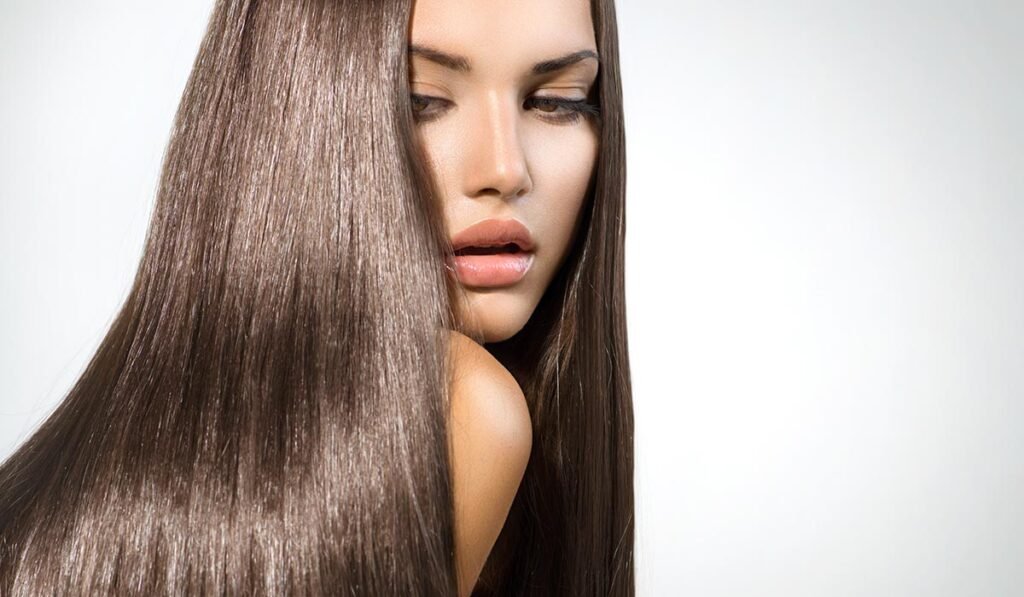
Have you ever stepped out of the salon with a perfect, cool-toned blonde or a bright, silvery brown, only to watch it turn brassy and yellow after just a few washes? It’s a common frustration. Sun exposure, hard water, and even your favorite hair products can slowly warm up your hair color.
This is where blue shampoo comes in. You might have heard of purple shampoo, but blue shampoo is its specific and powerful cousin. It’s not a complicated magic potion, but a simple, effective tool for maintaining your hair color.
In this guide, we’ll walk you through everything you need to know about blue shampoo. We’ll cover what it is, who it’s for, and the right way to use it to keep your hair looking fresh and vibrant between salon appointments.
For more information visit: Mens Haircare
What is Blue Shampoo, Really?
Let’s start with the basics. Blue shampoo is a toning shampoo. Its main job is to neutralize unwanted warm, orange, and brassy tones in lightened or color-treated hair.
Think back to a simple color wheel you might have seen in art class. Colors that sit directly opposite each other on the wheel cancel each other out.
-
Blue sits directly opposite Orange.
-
Purple sits directly opposite Yellow.
This simple principle is the entire science behind toning shampoos. Blue shampoo uses blue pigments to counteract orange tones in the hair.
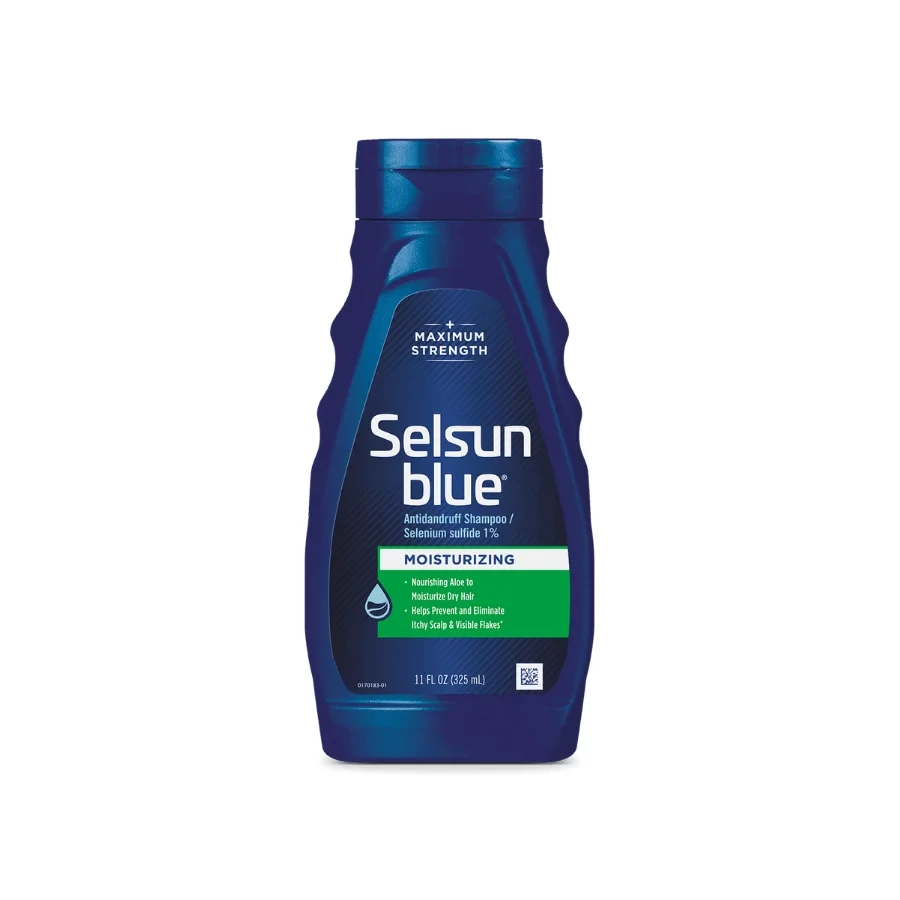
Blue Shampoo vs. Purple Shampoo: What’s the Difference?
This is the most important question, and the answer lies in the color wheel and your starting hair color.
| Feature | Blue Shampoo | Purple Shampoo |
|---|---|---|
| Targets | Orange and Reddish Brass | Yellow Brass |
| Best For | Darker Blondes, Brown Hair, Brunettes with Highlights | Platinum, Silver, White, Very Light Ash Blonde Hair |
| Color Theory | Blue neutralizes Orange | Purple neutralizes Yellow |
Why does hair level matter?
When hair is lightened, it goes through a series of stages, each with its own underlying pigment.
-
Dark Brown/Black hair lightens to Red-Orange.
-
Red-Orange lightens to Orange.
-
Orange lightens to Gold/Yellow.
-
Gold/Yellow lightens to Pale Yellow (which is then toned to platinum or white).
-
If you have brunette hair, dark blonde hair, or highlighted brown hair that turns brassy, the underlying pigment showing through is likely in the orange family. Therefore, you need blue shampoo.
-
If you have very light, pale blonde, or silver hair that turns yellow, the underlying pigment is yellow. Therefore, you need purple shampoo.
Using the wrong one can lead to less effective results. Using a purple shampoo on orange-toned hair won’t fully correct the brassiness.
Who Should Use Blue Shampoo? (And Who Should Avoid It)
Blue shampoo is a targeted solution. It’s not for everyone, and using it when you don’t need it can cause problems.
The Best Candidates for Blue Shampoo
You are a good candidate for blue shampoo if you have:
-
Lightened or Highlighted Brown Hair: If your brown hair has been lightened with highlights or balayage and you notice orange or copper tones appearing, blue shampoo is your best friend.
-
Dark Blonde Hair: For hair that is a darker, honey, or “dirty” blonde that pulls brassy, blue shampoo will work better than purple.
-
Blonde Hair with Significant Orange Brass: Some blondes, especially those who had darker hair to begin with, might find their brassiness is more orange than yellow. In this case, blue is the correct choice.
-
Natural Brunettes with Faded Color: If you have color-treated brunette hair that has faded to a reddish or brassy shade, blue shampoo can help restore a cooler, truer brown.
-
Gray or White Hair with an Orange/Yellow Cast: Sometimes, gray hair can pick up minerals from water or pollutants that create a yellowish-orange stain. A blue shampoo can be more effective than purple for correcting this specific issue.
Who Should Steer Clear of Blue Shampoo
Avoid blue shampoo if:
-
You Have Very Light, Platinum, or Silver Hair: For you, blue shampoo will be ineffective against yellow tones. Stick with a purple shampoo.
-
Your Hair is Primarily Yellow-Brass: If your hair is a pale, yellowy blonde that has turned brassy, purple shampoo is what you need.
-
You Have Natural, Untreated Hair: If you haven’t lightened or colored your hair, blue shampoo will likely do nothing. The pigments need porous, color-treated hair to deposit effectively.
-
You Have Cool-Toned Hair You Want to Keep Warm: If you love your warm, golden, or coppery tones, a blue shampoo will work against your goals by cooling them down.
How to Use Blue Shampoo Correctly: A Step-by-Step Guide
Using blue shampoo isn’t hard, but there is a right way to do it. Getting the technique wrong can lead to uneven tone or even a slight blue tint.
Step 1: Get Your Hair Ready
Start with wet hair in the shower. It’s best to use blue shampoo on hair that has been thoroughly saturated with water. Some people find it works best on the second wash. You can use a clarifying shampoo first to remove any product buildup, which allows the blue pigments to penetrate more evenly.
Step 2: Apply a Generous Amount
Don’t be shy. Squeeze a liberal amount of blue shampoo into your palm. Because it’s a depositing shampoo, you often need a bit more than your regular shampoo to get full coverage.
Step 3: Lather and Distribute Evenly
Work the shampoo into a rich lather in your hands first. Then, apply it to your hair, focusing on the areas where brassiness is most noticeable. This is usually the mid-lengths and ends, as these sections are more porous and prone to brass. You can gently work it through to the roots, but the roots often process color differently and may not be as brassy.
Pro Tip: Use a wide-tooth comb in the shower to help distribute the lather evenly from roots to ends. This ensures every strand gets treated.
Step 4: The Most Important Step: Timing
This is where most mistakes happen. You do not need to leave blue shampoo on for a long time.
-
Start with 1-3 minutes. For maintenance, this is often enough.
-
For more intense brassiness, you can leave it on for up to 5 minutes. Never exceed 5 minutes on your first try.
-
Watch your hair. You can literally see the color correcting. The lather will often turn a slight brownish-orange as the blue pigments neutralize the brass.
Leaving it on too long, especially if your hair is very porous, can lead to a blue or grayish cast. It’s always better to start with a shorter time and increase it in future uses if needed.
Step 5: Rinse Thoroughly
Rinse your hair completely with cool or lukewarm water. Cool water helps to seal the hair cuticle, locking in the tone and adding shine.
Step 6: Follow with Conditioner
Always follow with a good conditioner. Toning shampoos can be slightly drying because they contain those color-depositing pigments. A moisturizing conditioner will rehydrate your hair and keep it soft and manageable. Focus the conditioner on your mid-lengths and ends.

How Often Should You Use Blue Shampoo?
There’s no one-size-fits-all answer. The frequency depends on three things:
-
How Brassy Your Hair Gets: If your hair turns orange quickly, you might need to use it more often.
-
The Porosity of Your Hair: More porous hair grabs onto color faster. If your hair is damaged or highly porous, you will need to use blue shampoo less frequently to avoid over-toning.
-
The Specific Shampoo’s Formula: Some blue shampoos are more pigmented and potent than others.
A good starting schedule is:
-
For Maintenance: Use it once a week or every other week, alternating with your regular shampoo.
-
For Correcting Heavy Brass: You can use it 2-3 times a week until the brassiness is under control, then switch to a maintenance schedule.
-
If You See a Blue Tint: This is a sign of overuse. Stop using the blue shampoo immediately and switch to a clarifying shampoo for a few washes to strip the excess pigment.
What to Do If You Over-Tone Your Hair
Don’t panic if you leave the shampoo on too long and your hair takes on a slight blue or gray shade. It happens. Here’s how to fix it:
-
Clarifying Shampoo: Wash your hair 2-3 times with a clarifying or anti-residue shampoo. This will help lift some of the deposited blue pigment.
-
Dish Soap Method: As a last resort, a one-time wash with a small amount of gentle dish soap (like Dawn) can help strip the color. Be aware this is very drying, so follow with a deep conditioner.
-
Time and Sun: Simply washing your hair with your regular shampoo and spending time in the sun will naturally fade the blue tone over a few washes.
Choosing the Best Blue Shampoo for Your Hair
Not all blue shampoos are created equal. Here’s what to look for when you’re shopping.
-
Pigment Intensity: If you have strong orange brass, look for a shampoo with a deep, opaque blue color in the bottle. If your brass is more subtle, a lighter formula might be better to prevent over-toning.
-
Hydrating Ingredients: Since these shampoos can be drying, look for formulas that include moisturizing agents like argan oil, coconut oil, or shea butter.
-
Sulfate-Free: Sulfates are harsh detergents that can strip hair color faster. A sulfate-free blue shampoo will be gentler on your color-treated hair.
-
Brand Reputation: Sticking with well-known professional hair care brands often ensures better quality and pigment performance.
A Few Well-Regarded Options:
-
Matrix Total Results Brass Off Shampoo: A popular choice for brunettes and blondes fighting orange brass.
-
John Frieda Blue Crush for Brunettes: Specifically designed for brown hair that turns brassy.
-
Redken Color Extend Brownlights Shampoo: Formulated to neutralize brass and red tones in lightened brown hair.
Common Myths and Questions About Blue Shampoo
Let’s clear up some confusion.
Myth 1: Blue shampoo will dye my hair blue.
Fact: When used correctly, no. The blue pigments are designed to cancel out orange. On well-timed, brassy hair, the result should be a neutral, brass-free tone. Overuse can cause a blue cast, but this is avoidable.
Myth 2: I can use it as a daily shampoo.
Fact: It’s not recommended. Using it too often can lead to buildup and over-toning. It’s a treatment product, not an everyday cleanser.
Question: Can I use blue shampoo on dry hair for a stronger effect?
Answer: This is an advanced technique and not generally recommended. Applying toner or depositing shampoo to dry hair is much more intense because there’s no water to dilute it. It can lead to very uneven, patchy color. It’s safer to stick with wet hair application.
Question: Do I need a blue conditioner too?
Answer: It’s not necessary, but it can be helpful. A blue conditioner can provide a light toning effect and extra moisture. If you use both, be extra mindful of the leave-on time for the conditioner to avoid over-toning.
The Bigger Picture: Keeping Your Hair Healthy
Blue shampoo is a fantastic tool, but it’s just one part of maintaining color-treated hair. For the best results, support your hair health with these habits:
-
Use Heat Protectant: Always use a heat protectant spray before using hot tools like blow dryers or flat irons. Heat accelerates color fading.
-
Protect Hair from the Sun: UV rays are a major cause of color fading and brassiness. Wear a hat or use hair products with UV filters.
-
Get Regular Trims: Getting rid of split ends keeps your hair looking healthy and prevents damage from traveling up the hair shaft.
-
Use a Deep Conditioner Weekly: Color-treated hair needs extra moisture. A weekly deep conditioning treatment will keep it strong and shiny.

Final Thoughts on Blue Shampoo
Blue shampoo is a simple, smart solution for a specific problem: orange and red brass in lightened brown and dark blonde hair. By understanding the color wheel and following a careful routine, you can easily keep your hair color looking salon-fresh for much longer.
Remember, the keys to success are choosing the right product for your hair level, applying it evenly, and, most importantly, watching the clock. Start with short processing times and adjust as you learn how your hair responds.
With this guide, you have all the information you need to use blue shampoo with confidence. Say goodbye to brassy tones and hello to cool, beautiful hair.