
Corn tortilla nutrition makes them a beloved staple in many kitchens, from tacos to enchiladas to homemade chips. They’re affordable, versatile, and naturally gluten-free, making them a go-to for millions. But what do corn tortilla nutrition facts tell us? Whether you’re building a balanced diet or just love Mexican food, understanding corn tortilla nutrition can help you make smarter choices. In this blog post, we’ll break down the nutrition facts, highlight benefits, discuss drawbacks, and share tips for enjoying corn tortillas in healthy, tasty ways. Let’s dig into why this simple food is a nutritional winner. Also check: Twisted Tea Nutrition
Why Corn Tortillas Are So Popular
Corn tortillas have been a cornerstone of Mexican and Central American cuisine for centuries, made from masa harina (corn flour treated with lime). They’re cheap—often $2–4 for a pack of 30 at stores like Walmart or Costco, as noted by shoppers on Reddit—and easy to use in countless dishes. Their naturally gluten-free nature makes them a favorite for people with celiac disease or gluten sensitivity. But beyond tradition and affordability, corn tortilla nutrition makes them a solid choice for health-conscious eaters. Let’s look at the numbers to see what makes them special.
Corn Tortilla Nutrition: The Basics
Corn tortilla nutrition varies slightly by brand, size, and preparation method. The data below is for one 6-inch (about 24–30 grams) corn tortilla, based on USDA FoodData Central and common brands like Mission or La Tortilla Factory.
- Calories: 50–60
- Carbohydrates: 10–12 grams
- Fiber: 1–2 grams
- Protein: 1–1.5 grams
- Fat: 0.5–1 gram
- Saturated Fat: 0 grams
- Sugars: 0 grams
- Sodium: 5–50 milligrams
- Calcium: 20–40 milligrams (2–4% of daily value)
- Iron: 0.3–0.5 milligrams (2–3% of daily value)
- Potassium: 50–70 milligrams (1–2% of daily value)
These numbers are for a plain, store-bought corn tortilla cooked without added oil. Homemade versions or those fried into chips can change the nutrition profile, which we’ll cover later. Brands like Mission keep sodium low (around 10 mg), while others may add more for flavor.
How Preparation Affects Corn Tortilla Nutrition
The way you prepare corn tortillas impacts corn tortilla nutrition:
- Heated (Griddle or Microwave): Keeps calories at 50–60 with no added fat.
- Fried (Taco Shells or Chips): Adds 50–100 calories and 5–10 grams of fat per serving due to oil.
- Homemade: May have slightly more fiber (2 grams) if made with whole-grain masa, but calories stay similar.
- Store-Bought Variations: Some brands add preservatives or flavorings, increasing sodium to 50–100 mg.
For example, frying a corn tortilla into a taco shell can bump calories to 120 and fat to 6 grams, significantly altering corn tortilla nutrition.
Health Benefits of Corn Tortilla Nutrition
Corn tortilla nutrition offers several perks that make it a great addition to many diets. Here’s why it stands out:
1. Low Calories for Weight Control
With 50–60 calories per tortilla, corn tortilla nutrition is low-calorie, making it ideal for weight management. You can enjoy 2–3 tortillas in a meal without hitting high calorie counts, especially when paired with lean fillings like grilled chicken or veggies. A Reddit user shared that switching to corn tortillas helped them cut calories while still enjoying tacos.
2. Gluten-Free for Dietary Needs
Corn tortilla nutrition is naturally gluten-free, as they’re made from corn, not wheat. This makes them a safe choice for people with celiac disease or gluten sensitivity, unlike flour tortillas, which contain gluten. Always check labels for cross-contamination if you’re highly sensitive.
3. Fiber for Digestion
With 1–2 grams of fiber per tortilla, corn tortilla nutrition supports healthy digestion and helps prevent constipation. Eating multiple tortillas (e.g., 3 in a meal) can provide 3–6 grams of fiber, contributing to the daily goal of 25–30 grams. Fiber also helps you feel full longer.
4. Low Fat for Heart Health
Corn tortilla nutrition has just 0.5–1 gram of fat and zero saturated fat, aligning with heart-healthy diets. Low-fat foods reduce the risk of heart disease, and corn tortillas are a great base for nutritious meals when paired with healthy toppings.
5. Whole-Grain Benefits
Corn tortillas made from masa harina are considered whole-grain, as the corn kernel is minimally processed. Corn tortilla nutrition includes small amounts of calcium (from lime treatment) and iron, supporting bone health and oxygen transport in the body.
6. Low Sodium Option
With 5–50 milligrams of sodium, corn tortilla nutrition is low-sodium compared to processed snacks like chips (150–200 mg per ounce). This makes it a good choice for people managing blood pressure or sodium intake.
Potential Drawbacks of Corn Tortilla Nutrition
While corn tortilla nutrition is impressive, there are a few things to watch for:
1. Low Protein Content
With only 1–1.5 grams of protein per tortilla, corn tortilla nutrition isn’t a significant protein source. Pair with protein-rich fillings like beans, chicken, or fish to make a balanced meal, as suggested by a nutritionist on X.
2. Limited Nutrients
Corn tortilla nutrition lacks significant vitamins like C or A and has minimal protein or healthy fats. It’s best as part of a meal with nutrient-dense foods like avocado or salsa to fill nutritional gaps.
3. High Carbs for Low-Carb Diets
With 10–12 grams of carbs per tortilla, corn tortilla nutrition may not suit strict keto or low-carb diets. Eating 2–3 tortillas (20–36 grams carbs) can add up quickly, so moderate portions if you’re carb-conscious.
4. Sodium in Some Brands
While most corn tortillas are low-sodium, some brands add salt or preservatives, pushing sodium to 50–100 mg per tortilla. Check labels and choose low-sodium options to keep corn tortilla nutrition heart-healthy.
5. Corn Allergies
Though rare, some people are allergic to corn, making corn tortilla nutrition unsuitable. Symptoms like itching or stomach discomfort may occur, so opt for alternatives like rice-based wraps if allergic.
Tips for Making Corn Tortillas Healthier
To maximize corn tortilla nutrition, try these tips:
- Choose Whole-Grain: Look for “100% corn” or “whole-grain masa” on labels for maximum fiber and nutrients.
- Heat Without Oil: Warm on a griddle or in the microwave to avoid added fat.
- Limit Fried Versions: Save fried tacos or chips for occasional treats to keep calories low.
- Add Nutrient-Rich Fillings: Pair with black beans, grilled veggies, or lean meats to boost protein and vitamins.
- Check Sodium: Pick brands with 10–20 mg sodium per tortilla, like Mission, for heart health.
Creative Ways to Use Corn Tortillas
Corn tortilla are versatile for meals and snacks. Here are some ideas:
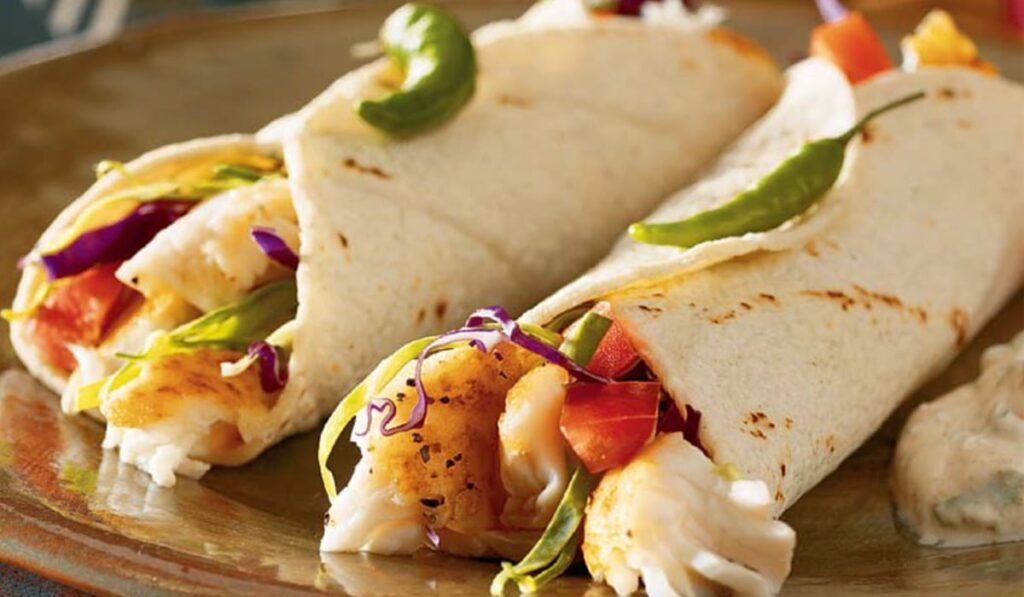
- Fish Tacos: Fill with grilled fish, cabbage, and lime crema for a 200-calorie meal.
- Enchiladas: Roll with shredded chicken and salsa, bake with light cheese for a 300-calorie dish.
- Tortilla Soup: Cut into strips, bake, and add to a veggie-packed soup for a 150-calorie bowl.
- Breakfast Tacos: Scramble eggs with spinach and wrap in tortillas for a 180-calorie breakfast.
- Homemade Chips: Bake sliced tortillas at 350°F for 10 minutes for a 100-calorie snack.
These recipes keep corn tortilla nutrition lean while adding flavor. A home cook on Reddit raved about using corn tortillas for mini quesadillas with just a sprinkle of cheese to keep calories low.
Corn Tortilla Nutrition in Different Diets
Corn tortilla fits various dietary plans:
- Gluten-Free: Naturally gluten-free, perfect for celiac or gluten-sensitive diets.
- Low-Fat: With 0.5–1 gram of fat, it suits low-fat diets.
- Vegan: Corn tortillas are plant-based, ideal for vegan meals with bean or veggie fillings.
- Low-Sodium: Low sodium (5–50 mg) works for heart-healthy plans.
- Weight Loss: Low calories (50–60 per tortilla) support calorie control when paired with lean fillings.
For low-carb or keto diets, limit to one tortilla and pair with high-fat, low-carb toppings like avocado.
Comparing Corn Tortilla Nutrition to Other Wraps
How does corn tortilla nutrition compare to other wraps (per 6-inch serving)?
- Flour Tortilla: 90 calories, 15 grams carbs, 2 grams fat, 1 gram fiber
- Whole-Wheat Tortilla: 80 calories, 14 grams carbs, 2 grams fat, 2 grams fiber
- Lettuce Wrap: 5 calories, 1 gram carbs, 0 grams fat, 0.5 grams fiber
- Rice Paper Wrap: 40 calories, 9 grams carbs, 0 grams fat, 0 grams fiber
Corn tortilla is lower in calories than flour tortillas and higher in fiber than rice paper, making it a balanced choice for many diets.
Buying and Storing Corn Tortillas
To get the most from corn tortilla nutrition:
- Choose Fresh: Look for soft, pliable tortillas with no cracks. Check “best by” dates, usually 1–2 months from purchase.
- Store Properly: Keep refrigerated at 40°F or below for up to 2 weeks. Freeze for 6 months in airtight bags.
- Bulk Savings: Buy packs of 30–50 at Costco or Walmart for $2–4, as noted by X users.
- Check Ingredients: Opt for minimal ingredients (corn, water, lime) to avoid preservatives.
Safety and Preparation Tips
Corn tortilla nutrition is best preserved with proper handling:
- Heat Safely: Warm on a dry skillet or microwave to avoid oil and maintain low calories.
- Avoid Mold: Check for green or black spots and discard if spoiled.
- Store Separately: Keep away from strong-smelling foods to prevent flavor absorption.
- Allergy Check: Confirm no corn allergies before eating, though rare.
Corn Tortilla Nutrition in Pop Culture
Corn tortillas are a cultural icon, with Google searches for “corn tortilla nutrition” up 18% in the past year. They’re celebrated in Mexican cuisine and trending on X for taco recipes, with users sharing “taco Tuesday” ideas. Chefs like Rick Bayless praise corn tortillas for their authentic flavor, making them a staple in both home and restaurant kitchens.
FAQs About Corn Tortilla Nutrition
1. Where are the ingredients sourced for corn tortilla nutrition?
Answer: Corn tortilla comes from masa harina, made from corn typically sourced from the U.S. or Mexico, where brands like Maseca or Mission often use local farms. The lime (calcium hydroxide) used in processing is food-grade and widely available. Organic brands may source non-GMO corn, but this doesn’t significantly change corn tortilla nutrition. Check packaging for origin details or choose local brands for fresher ingredients.
2. How does corn tortilla nutrition affect blood sugar levels?
Answer: Corn tortilla includes 10–12 grams of carbs per 6-inch tortilla, which can moderately raise blood sugar. The 1–2 grams of fiber helps slow carb absorption, making them a better choice than white bread for people with diabetes. Pair with protein, like beans, to stabilize blood sugar further, and limit to 1–2 tortillas per meal for better control.
3. Is corn tortilla nutrition suitable for a low-FODMAP diet?
Answer: Corn tortilla is generally low-FODMAP, as corn is safe for most IBS sufferers in small amounts. However, some brands add high-FODMAP ingredients like garlic powder in flavored versions. Stick to plain tortillas with minimal ingredients (corn, water, lime) and test small portions to ensure corn tortilla nutrition doesn’t trigger symptoms.
4. Can corn tortilla nutrition support heart health beyond low fat?
Answer: Corn tortilla supports heart health with zero saturated fat and low sodium (5–50 mg per tortilla). The small amount of potassium (50–70 mg) aids blood pressure regulation, and whole-grain corn provides antioxidants like ferulic acid, which may reduce inflammation. Pair with heart-healthy fillings like avocado to enhance these benefits.
5. What is the environmental impact of corn tortilla nutrition?
Answer: Corn tortilla nutrition comes from corn farming, which uses water and land but has a lower footprint than meat production. Processing masa harina requires energy, and packaging adds waste. Choose organic or locally made tortillas to reduce pesticide use and transport emissions while maintaining corn tortilla nutrition.
6. Is corn tortilla nutrition safe for pregnant women?
Answer: Corn tortilla is safe for pregnant women, offering 10–12 grams of carbs for energy and 2–4% of daily calcium for fetal bone development. The low sodium (5–50 mg) helps manage swelling. Ensure tortillas are fresh to avoid mold, and pair with nutrient-rich fillings like chicken or beans for a balanced pregnancy diet.
7. How does corn tortilla nutrition impact dental health?
Answer: Corn tortilla has zero sugars, reducing cavity risk compared to sugary snacks. The calcium (20–40 mg per tortilla) supports tooth strength, but starchy carbs may stick to teeth, feeding bacteria. Chew thoroughly and rinse with water after eating to maintain dental health while enjoying corn tortilla.
8. Can corn tortilla nutrition be frozen without losing nutrients?
Answer: Freezing preserves corn tortilla nutrition (50–60 calories, 1–2 grams fiber) for up to 6 months in airtight bags. Nutrients like calcium and iron remain stable, though texture may soften upon thawing. Warm on a dry skillet to restore freshness, ensuring corn tortilla nutrition stays intact for meals like tacos.
9. How does corn tortilla nutrition compare to other corn-based foods?
Answer: Compared to corn chips (140 calories, 7 grams fat per ounce) or cornbread (180 calories, 6 grams fat per slice), corn tortilla nutrition is leaner with 50–60 calories and 0.5–1 gram fat. Tortillas have less sodium (5–50 mg) than chips (150 mg), making them a healthier base for meals.
10. Is corn tortilla nutrition suitable for kids under five?
Answer: Corn tortilla is safe for kids over two, providing 10–12 grams of carbs for energy and 1–2 grams of fiber for digestion. Low sodium (5–50 mg) is kid-friendly, but the texture may pose a choking risk for younger children. Cut into small pieces and pair with soft fillings like avocado for a safe, nutritious meal.
Final Thoughts on Corn Tortilla Nutrition
Corn tortilla nutrition makes them a versatile, healthy choice, with 50–60 calories, 1–2 grams of fiber, and zero fat per 6-inch tortilla. Their gluten-free, low-sodium profile fits many diets, though low protein means pairing with nutrient-rich fillings is key. Whether you’re making tacos, enchiladas, or chips, corn tortilla nutrition supports balanced eating when prepared thoughtfully. Enjoy this affordable, tasty staple as part of a wholesome diet.