
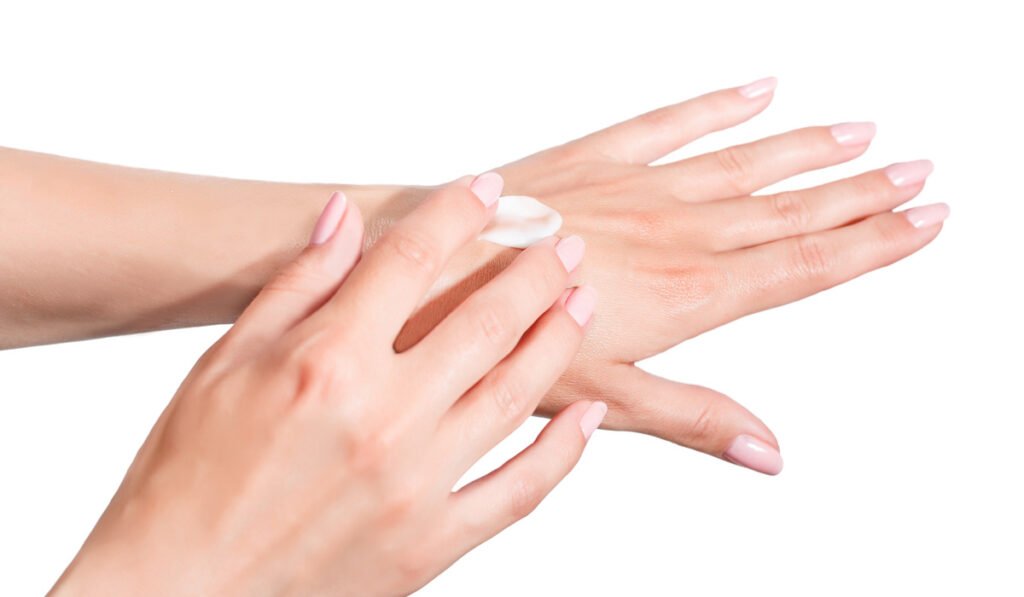
Your hands work hard every day—washing dishes, typing, gardening, or battling harsh weather. Without proper care with cream hand cream, they can turn dry, rough, or even painful. It hydrates, protects, and keeps your hands feeling soft and healthy. In this guide, we’ll explain why hand creams matter, what makes a great cream hand cream, how to use it effectively, and our top picks. Plus, we’ll share tips to maximize results and keep your hands in top shape. Let’s get started.
Why Cream Hand Cream Is a Must-Have
Your hands face constant challenges. Soap, water, sun, and cold air strip away moisture, leaving skin tight and uncomfortable. Over time, this can lead to cracks, redness, or itchiness. It does more than just moisturize—it acts like a shield, locking in hydration and guarding against damage. It’s not about luxury; it’s about keeping your hands functional and pain-free.
Using a it daily prevents dryness before it starts. It smooths rough spots, softens cuticles, and can even make your hands look younger. Whether you’re a teacher, a chef, or just someone who washes their hands a lot, a good cream is a game-changer. Also explore: Creme Keratosis pilaris

What to Look for in a Cream Hand Cream
Not every hand cream is created equal. The best hand cream has ingredients that work hard for your skin. Here’s what to prioritize:
- Hydrating ingredients: Shea butter, coconut oil, or almond oil soften and nourish.
- Moisture-locking agents: Glycerin or hyaluronic acid pull water into your skin and keep it there.
- Soothing additions: Aloe vera, vitamin E, or chamomile calm irritation and help heal small cuts.
- No irritants: Avoid alcohol, artificial fragrances, or dyes, which can dry out or irritate skin.
A great cream hand cream feels rich but absorbs quickly, leaving hands soft without stickiness.
Also check: Guide to Gorgeous Nails
Types of Cream Hand Creams for Every Need
Different hands need different creams. Here’s a breakdown of options:
- Sensitive skin: Choose fragrance-free creams to avoid redness or itching.
- Aging hands: Look for retinol or peptides to smooth lines and fade age spots.
- Sun protection: A hand cream with SPF shields hands from UV rays.
- Extra dry hands: Heavy-duty creams labeled “intensive” or “repair” tackle cracks.
- Night use: Thick creams work overnight for deep hydration.
Pick a cream that matches your lifestyle for the best results.
How to Apply Cream Hand Cream for Maximum Effect
Using a hand cream the right way makes a big difference. Follow these tips:
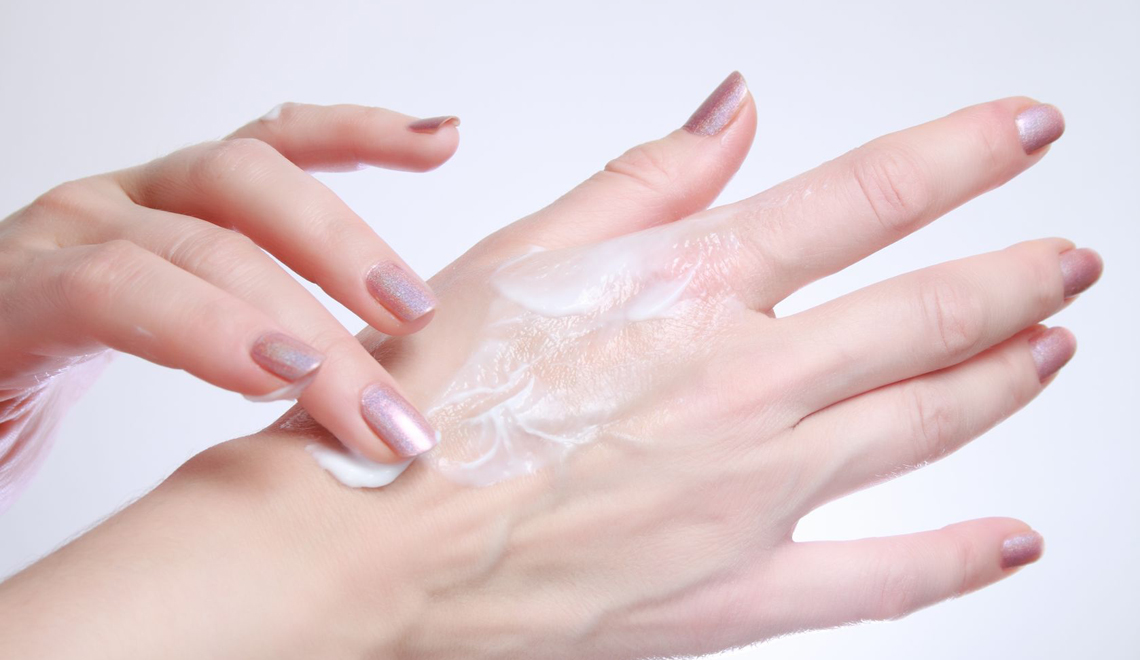
- After washing: Water and soap dry out skin. Apply cream right after to lock in moisture.
- Before bed: Use a generous amount and consider cotton gloves for overnight healing.
- Throughout the day: Keep a small tube handy and reapply two to three times, especially if your hands feel tight.
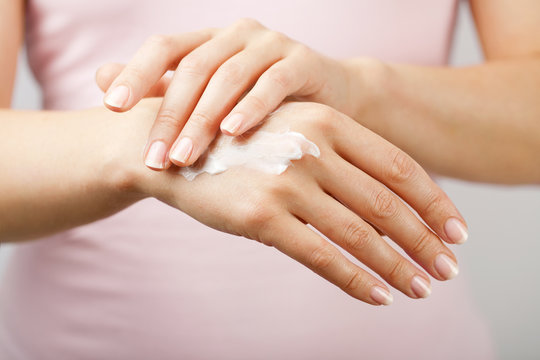
- Focus on problem areas: Massage extra cream into knuckles, cuticles, and rough spots.
These habits turn a good hand cream into a great one.
Top 5 Cream Hand Creams to Try
We’ve scoured reviews and expert advice to find five standout cream hand creams:
1. L’Occitane Shea Butter Hand Cream
- Why it works: With 20% shea butter, it’s ultra-hydrating with a light, pleasant scent.
- Best for: Very dry hands needing intense moisture.
2. Neutrogena Norwegian Formula Hand Cream
- Why it works: A concentrated formula that heals cracks with just a small amount.
- Best for: Sensitive skin or cold weather.
3. Eucerin Advanced Repair Hand Cream
- Why it works: Fragrance-free and long-lasting, it soothes rough skin fast.
- Best for: Daily use, especially for sensitive hands.
4. O’Keeffe’s Working Hands Hand Cream
- Why it works: Non-greasy and tough on cracks, it’s perfect for hardworking hands.
- Best for: Manual laborers or anyone with rough skin.
5. Burt’s Bees Almond & Milk Hand Cream
- Why it works: Natural ingredients and a cozy almond scent make it a treat.
- Best for: Everyday hydration with a natural vibe.
These cream hand creams deliver real results for all hand types.
Common Mistakes to Avoid with Cream Hand Cream
Even the best cream hand cream won’t work if you mess up. Watch out for these:
- Using too little: A pea-sized amount isn’t enough for dry hands—be generous.
- Skipping after washing: Water strips cream away, so reapply every time.
- Choosing the wrong cream: Thin lotions won’t cut it for dry hands; stick to creams.
- Ignoring ingredients: Alcohol or heavy scents can make dryness worse.
Avoid these, and your hand cream will shine.
Seasonal Tips for Cream Hand Cream Success
Your hands need different care depending on the season:
- Winter: Cold air and indoor heat dry skin. Use a thick cream hand cream and apply often.
- Summer: A lighter cream with SPF protects against sun damage.
- Spring/Fall: A medium-weight cream keeps hands balanced in milder weather.
Adjusting your cream hand cream to the season ensures year-round comfort.
Extra Ways to Boost Hand Health
A cream hand cream works better with smart habits:
- Use mild soap: Harsh soaps strip moisture. Pick a gentle, fragrance-free one.
- Wear gloves: Protect hands during chores like cleaning or gardening.
- Stay hydrated: Drink water to keep skin from drying out inside.
- Pat, don’t rub: Dry hands gently with a towel to avoid irritation.
These steps make your cream hand cream even more effective.
Why Daily Use of Cream Hand Cream Matters
Consistency is everything. Using a hand cream every day builds a protective layer that stops dryness before it starts. It smooths rough patches, keeps cuticles tidy, and can even slow signs of aging like fine lines or spots. Think of it as a daily habit, like brushing your teeth, that pays off with softer, healthier hands.
Real-Life Hand Cream Wins
Last winter, my hands were a mess—cracked and sore from cold weather and constant handwashing. I started using a cream with shea butter, and within days, they felt better. Now, I keep a tube at my desk, in my bag, and by my bed. It’s a small change that made a big difference. If your hands are struggling, a good hand cream could be your fix.
Eco-Friendly Cream Hand Cream Options
Care about the planet? Look for a cream in recyclable packaging or refillable jars. Brands like Burt’s Bees and The Body Shop often use natural ingredients and skip animal testing. Some even offer vegan formulas. Choosing a green cream helps your hands and the environment.
FAQs About Cream Hand Cream
1. Can cream hand cream help with hand eczema?
Yes, some creams with ingredients like colloidal oatmeal or ceramides can soothe eczema symptoms like itching and dryness. Choose fragrance-free options and test on a small patch first to avoid irritation.
2. Is cream hand cream safe for kids’ hands?
Many creams are safe for children over 2 or 3, but check the label for age guidelines. Opt for gentle, hypoallergenic formulas without fragrances, and consult a pediatrician for younger kids.
3. How long does a tube of cream hand cream last?
A 2–3 oz tube typically lasts one to two months with daily use (2–3 applications). Larger tubes (5–6 oz) may last up to four months. Store in a cool, dry place to maintain effectiveness.
4. Can cream hand cream reduce calluses on hands?
Thick creams with urea or lactic acid can soften calluses over time. Apply generously at night and pair with a pumice stone for faster results, but don’t expect overnight miracles.
5. Should I use cream hand cream before or after hand sanitizer?
Apply hand cream after sanitizer, as alcohol can strip moisture. Wait a minute for the sanitizer to dry, then rub in the cream to restore hydration.
6. Can cream hand cream be used on cracked cuticles?
Yes, hand creams with shea butter or vitamin E are great for healing cracked cuticles. Massage a small amount into cuticles twice daily for best results.
7. Are there vegan options for cream hand cream?
Many brands, like Pacifica or The Body Shop, offer vegan creams without animal-derived ingredients like lanolin or beeswax. Look for vegan certifications on the packaging.
8. Can cream hand cream help with hand rashes?
Some creams with aloe or chamomile can calm mild rashes. Avoid scented creams, and if the rash persists or worsens, see a dermatologist for proper treatment.
9. How do I know if a cream hand cream is expired?
Check the expiration date or “period after opening” symbol (e.g., “12M” for 12 months). If the cream smells off, changes texture, or separates, toss it—it’s no longer effective.
10. Can cream hand cream be used in humid climates?
Yes, but opt for a lighter cream hand cream to avoid stickiness. Look for non-greasy formulas with hyaluronic acid to hydrate without feeling heavy in humid weather.
11. Does cream hand cream work for cracked knuckles?
Yes, thickhand creams with glycerin or petrolatum can heal cracked knuckles. Apply multiple times daily and use overnight with gloves for faster recovery.
12. Can I use cream hand cream with other hand treatments?
Yes, but apply medicated treatments (like antifungal creams) first, wait 10–15 minutes, then add hand cream to lock in moisture. Check with a doctor to avoid interactions.
13. Are there travel-friendly cream hand cream options?
Many brands offer 1–2 oz tubes perfect for travel. Look for leak-proof packaging and TSA-compliant sizes. Keep one in your bag for quick hydration on the go.
14. Can cream hand cream improve nail health?
Some creams with biotin or keratin can strengthen brittle nails when massaged into the nail bed. Regular use may reduce splitting or peeling over time.
15. How do I choose a cream hand cream for sensitive skin?
Pick a fragrance-free, hypoallergenic cream tested by dermatologists. Ingredients like oat extract or ceramides are gentle and effective. Read reviews from users with similar skin concerns.
These FAQs provide practical guidance to help you choose and use a cream that fits your needs. If you have persistent hand issues, consult a dermatologist for personalized advice.
Wrapping It Up: Love Your Hands with Cream Hand Cream
Your hands deserve care for all they do. A cream hand cream keeps them soft, protected, and ready for anything. Pick one with hydrating ingredients like shea butter or glycerin, apply it daily, and pair it with habits like gentle soap and gloves. Whether you choose L’Occitane’s rich formula or O’Keeffe’s tough fix, the key is sticking with it. Your hands will thank you with every smooth, pain-free moment.