
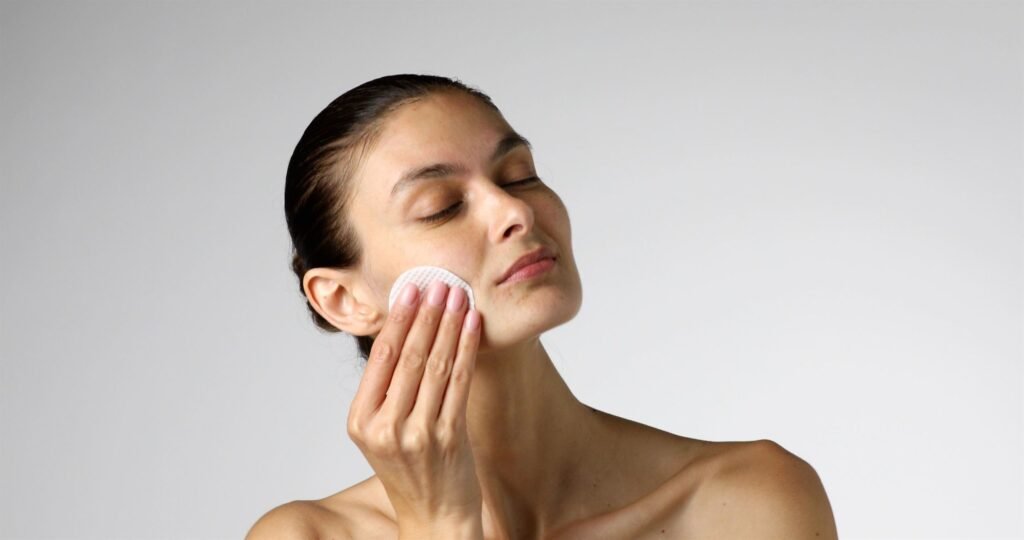
Taking care of your skin matters. One key step is using exfoliating face pads. It removes dead skin cells, keeps pores clear, and makes your skin look fresh. But with so many options—like scrubs or brushes—picking the right method can feel tricky. That’s why exfoliating face pads are worth a look. They’re easy to use and work well for all kinds of skin. In this blog post, we’ll cover what exfoliating face pads are, how they work, and why they might fit into your routine. If you want glowing skin without a lot of fuss, keep reading!
What Are Exfoliating Face Pads?
Exfoliating face pads are small, pre-soaked pads you swipe across your face. They’re usually made of soft stuff like cotton or polyester. These pads have ingredients that help peel away dead skin. Some use acids. Others use enzymes or tiny scrubbing bits. The goal? To clean your skin and make it smoother.
There are two main kinds:
- Physical pads: These have a rough texture or small particles to scrub off dead skin.
- Chemical pads: These use ingredients like acids to break down dead cells without scrubbing.
You can find pads that mix both types too. They’re gentle enough for regular use and super convenient.
Also check: Exfoliating Pads for Face
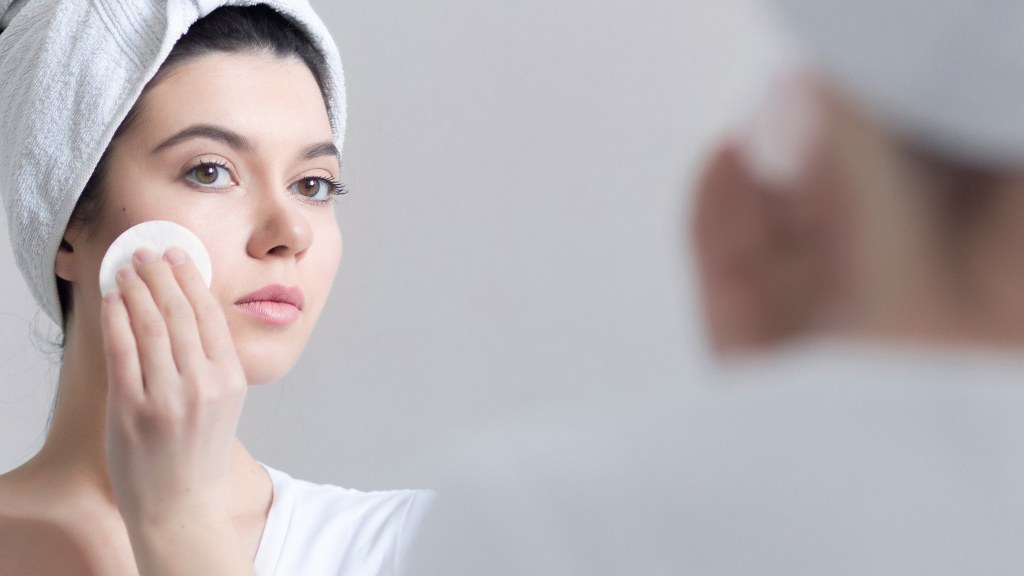
How Do Exfoliating Face Pads Work?
Your skin sheds dead cells naturally. But sometimes, those cells stick around. That’s when exfoliating face pads help. They clear away the buildup that makes your skin look dull or rough. This also stops pores from clogging, which can lead to pimples.
Here’s how they do it:
- Physical exfoliation: Pads with texture or particles rub off dead skin when you move them over your face. It’s like a mini massage for your skin.
- Chemical exfoliation: Pads with acids—like glycolic or salicylic—loosen dead cells so they wipe off easily. No rubbing needed.
Physical pads work fast but can be harsh if you press too hard. Chemical pads are gentler and good for sensitive skin. Both ways help your skin feel fresh and let your other products sink in better.
Why Use Exfoliating Face Pads? The Benefits
Exfoliating face pads do more than just clean your skin. They come with some great perks. Here’s what you can expect:
- Smoother skin: Dead cells make your skin rough. These pads clear them out for a soft feel.
- Brighter look: Removing old skin shows off the fresh layer underneath. Your face will glow.
- Cleaner pores: Exfoliating stops buildup in pores. Fewer blackheads and breakouts.
- Better product use: With dead skin gone, your moisturizer or serum works harder.
- Youthful skin: Exfoliating can boost collagen. That means fewer fine lines over time.
Plus, they’re quick. No messy scrubs or tools. Just grab a pad and go.
How to Use Exfoliating Face Pads the Right Way
Using exfoliating face pads is easy. But doing it right keeps your skin happy. Follow these steps:
- Wash your face: Use a gentle cleanser to get rid of dirt or makeup first.
- Swipe gently: Take a pad and wipe it over your face. Skip the eye area—it’s too delicate.
- Check the label: Some pads need rinsing. Others stay on. Do what the package says.
- Moisturize after: Lock in hydration with a good cream or lotion.
How Often Should You Use Them?
It depends. Some pads are mild enough for every day. Others are stronger—use them two or three times a week. Got sensitive skin? Start with once a week. See how it feels, then adjust.
Quick Tip
Don’t scrub hard. Gentle swipes are enough. Too much pressure can irritate your skin.
Types of Exfoliating Face Pads
Not all exfoliating face pads are the same. They come in a few styles. Here’s what’s out there:
- Physical pads: These have small bits—like beads—or a bumpy surface. They scrub away dead skin.
- Chemical pads: These use acids or enzymes. They melt dead cells off without friction.
- Combo pads: Some mix both. You get scrubbing and acid action in one.
Each type suits different needs. Physical pads are quick but can be rough. Chemical pads are gentle and target specific issues—like acne. Combo pads give you the best of both.
Ingredients You’ll Find in Exfoliating Face Pads
The magic in exfoliating face pads comes from their ingredients. Here are the big ones:
- Glycolic acid: Breaks down dead skin. Good for dry or uneven texture.
- Lactic acid: A milder acid. Perfect for sensitive skin.
- Salicylic acid: Clears pores. Best for oily or acne-prone skin.
- Enzymes: From fruits like papaya or pineapple. They gently eat away dead cells.
- Retinol: Speeds up skin renewal. Helps with lines and wrinkles.
Some pads add calming stuff too—like aloe or chamomile. That keeps your skin from getting red or mad after use.

Watch Out: Side Effects and Safety Tips
Exfoliating face pads are safe for most people. But you need to be careful. Here’s what could happen if you overdo it:
- Irritation: Too much exfoliating can make your skin red or itchy.
- Sun sensitivity: Acids like glycolic can make your skin burn easier. Wear sunscreen daily.
- Dryness: Overusing pads can dry out your skin.
How to Stay Safe
- Start slow. Try once or twice a week at first.
- Test it. Swipe a pad on a small spot—like your arm—before your face. Wait a day to check for trouble.
- Follow directions. Don’t use them more than the package says.
If your skin gets upset, stop for a few days. A dermatologist can help if you’re unsure.
Exfoliating Face Pads vs. Other Methods
You’ve got options for exfoliating. How do exfoliating face pads stack up? Let’s compare:
- Scrubs: These are gritty creams you rub in. They work but can be harsh.
- Brushes: Tools with bristles—like Clarisonic—scrub your skin. Gentle, but you have to clean them.
- Pro treatments: Things like peels or microdermabrasion. Big results, big cost.
Exfoliating face pads win for ease. They’re cheap, no cleanup, and gentle enough for most days. Scrubs and brushes can be rougher. Pro treatments are great but not practical for everyone.
Picking the Best Exfoliating Face Pads for You
Your skin type decides which exfoliating face pads are right. Here’s a guide:
- Sensitive skin: Go for lactic acid or enzymes. Skip rough textures.
- Oily or acne-prone skin: Pick salicylic acid pads. They fight oil and pimples.
- Dry or aging skin: Try glycolic acid or retinol. They smooth and refresh.
- Mixed skin: Look for pads with a blend of acids. They balance oil and dryness.
Check the label too. Avoid strong scents or chemicals that might bug your skin. Unsure? Start with something labeled “gentle.”
How Often Should You Use Exfoliating Face Pads?
One of the most common questions about exfoliating face pads is how often to use them. The answer depends on your skin type and the strength of the pads. For most people, 2-3 times a week is a safe starting point. This gives your skin time to recover between sessions. Overdoing it can strip your skin’s natural oils, leaving it dry or irritated.
If you’re using pads with strong acids like glycolic or salicylic, start with once a week. Watch how your skin reacts. If it feels smooth and happy, you can slowly increase to twice a week. For gentler options, like enzyme-based exfoliating face pads, you might get away with 3-4 times a week. The key is balance—exfoliate enough to remove dead skin, but not so much that you damage your skin barrier.
Listen to your skin. Redness, stinging, or flaking? Cut back. Glowing and soft? You’ve found your sweet spot.

Exfoliating Face Pads vs. Scrubs: What’s the Difference?
You might wonder how exfoliating face pads stack up against traditional scrubs. Both remove dead skin, but they work differently. Scrubs use physical particles—like sugar or beads—to manually scrub away debris. Exfoliating face pads, on the other hand, often rely on chemical exfoliants (like acids) or enzymes to dissolve dead cells.
So, which is better? It depends. Scrubs can feel satisfying, but they’re sometimes too harsh, especially for sensitive skin. Exfoliating face pads are usually gentler and more precise. They also deliver extra ingredients—like hydration or acne-fighters—right to your skin. Scrubs can’t do that as easily.
If you like physical exfoliation, some pads combine both—textured surfaces with chemical ingredients. You get the best of both worlds. Try both and see what your skin prefers!
Exfoliating Face Pads on a Budget: Affordable Options
Good skincare doesn’t have to break the bank. Exfoliating face pads come in all price ranges, and there are solid affordable options out there. Drugstore brands like The Ordinary, CeraVe, and Neutrogena offer pads with effective ingredients like salicylic acid or lactic acid for under $15. They’re simple, no-fuss, and get the job done.
Want even cheaper? Make your own! A pack of cotton rounds costs a few bucks. Add some witch hazel (about $5) and a small bottle of glycolic acid (around $10 online), and you’ve got DIY exfoliating face pads for weeks. It’s a fraction of the cost of high-end brands.
The trick with budget pads is to check the ingredients. Look for proven exfoliants like AHAs, BHAs, or enzymes. Skip pads with too much alcohol—they dry you out. Affordable doesn’t mean low quality if you shop smart.
Exfoliating Face Pads and Your Skincare Routine
Where do exfoliating face pads fit in your routine? Timing matters. Here’s a simple guide:
-
Cleanse: Start with a clean face. Wash off dirt and oil first.
-
Exfoliate: Swipe your exfoliating face pad over dry or slightly damp skin (check the instructions). Avoid the eye area—it’s too delicate.
-
Tone (optional): If your pads don’t double as a toner, follow with one.
-
Moisturize: Lock in hydration. Exfoliating can dry your skin, so don’t skip this.
-
Sunscreen (morning only): Exfoliating face pads make your skin sun-sensitive. Protect it with SPF.
Use them at night if they have strong acids or retinol—sunlight can make those ingredients less effective or irritating. Gentler pads can work morning or night. Just don’t exfoliate twice a day. Once is plenty.
Pro tip: If your skin feels tight after using exfoliating face pads, layer on a thicker moisturizer or a soothing serum. Calm skin is happy skin.
Common Mistakes with Exfoliating Face Pads (and How to Avoid Them)
Exfoliating face pads are easy to use, but mistakes happen. Here’s what to watch out for:
-
Over-exfoliating: Too much, too often damages your skin. Stick to a schedule (2-3 times a week max) and adjust if needed.
-
Pressing too hard: You don’t need to scrub. A gentle swipe does the trick. Let the ingredients do the work.
-
Mixing with other actives: Using exfoliating face pads with retinol or vitamin C on the same day can irritate. Space them out—exfoliate one night, use actives the next.
-
Skipping sunscreen: Exfoliated skin burns easier. Always wear SPF in the morning, even if you exfoliated the night before.
-
Ignoring reactions: If your skin stings or turns red, stop. Switch to a milder pad or take a break.
Avoiding these keeps your skin healthy and glowing. Exfoliating face pads are tools—use them right, and they’ll reward you.
Extra Tips for Using Exfoliating Face Pads
Want the best results? Try these ideas:
- Pair with a routine: Cleanse, exfoliate, then moisturize. It’s a solid plan.
- Nighttime use: Exfoliate before bed. Your skin heals while you sleep.
- Sunscreen is a must: Acids make your skin sun-sensitive. Protect it every day.
- Store them right: Keep pads sealed so they don’t dry out.
Little tweaks like these make a big difference.
Can Exfoliating Face Pads Help with Specific Skin Concerns?
Exfoliating face pads aren’t just for general skincare—they can tackle specific issues too. Got acne? Pads with salicylic acid clear clogged pores and reduce breakouts. For dark spots or uneven tone, try glycolic acid pads—they fade discoloration over time. Fine lines bothering you? Retinol-infused exfoliating face pads boost cell turnover for smoother skin. If redness is a problem, go for enzyme-based pads. They’re gentle and won’t inflame sensitive skin.
Always match the pad to your concern. Check reviews or ask a dermatologist for recommendations. Start slow to avoid irritation, especially with stronger ingredients. Use them consistently—results take weeks, not days. Pair with a solid routine (cleanser, moisturizer, sunscreen) for the best outcome. Exfoliating face pads can be a game-changer for stubborn skin issues when used right.
Conclusion
Exfoliating face pads are a game-changer for skincare. They’re simple, effective, and fit into busy lives. They smooth your skin, brighten your face, and help your other products do their job. Whether you pick physical or chemical pads, the trick is using them right. Match them to your skin type, start slow, and keep up with sunscreen. With a little care, exfoliating face pads can give you healthier, happier skin. Ready to try them? Your glow-up starts now!