
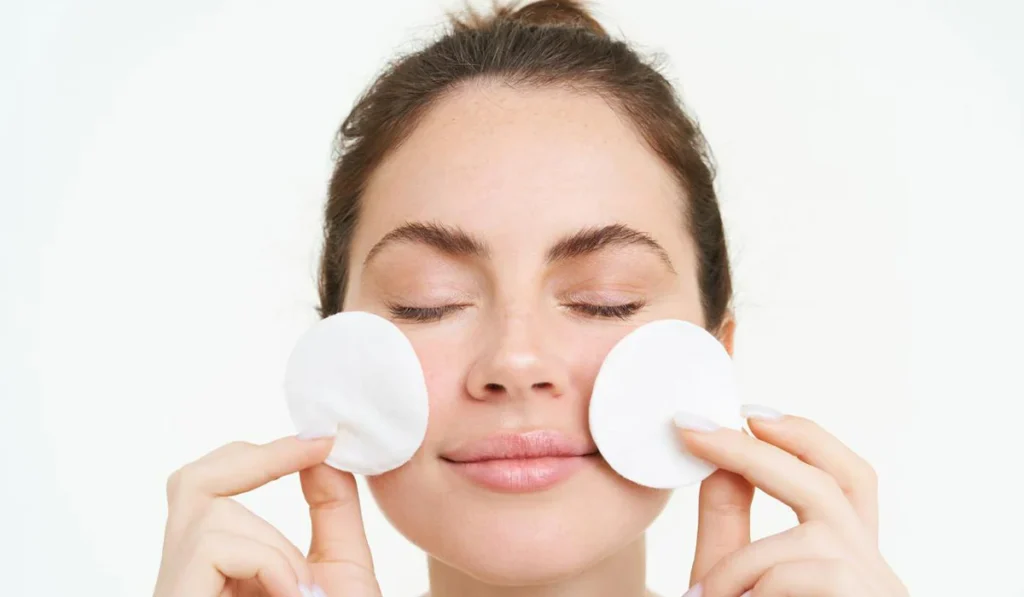
Exfoliating pads are pre-soaked, ready-to-use skincare pads that gently remove dead skin, clean pores, and help improve skin texture. Unlike scrubs that may be too rough, exfoliating pads use gentle acids to loosen and lift dead skin cells without causing damage. They are easy to use, fast, and effective.
People often use exfoliating pads to deal with issues like dullness, clogged pores, blackheads, uneven texture, or breakouts. Because they’re so simple to use, they’re great for beginners or anyone who wants quick results without adding too much to their routine.
In this guide, we’ll talk about what exfoliating pads are, how they work, who can use them, how to pick the best ones, and how to avoid mistakes that can harm your skin. Also read about Tough skin
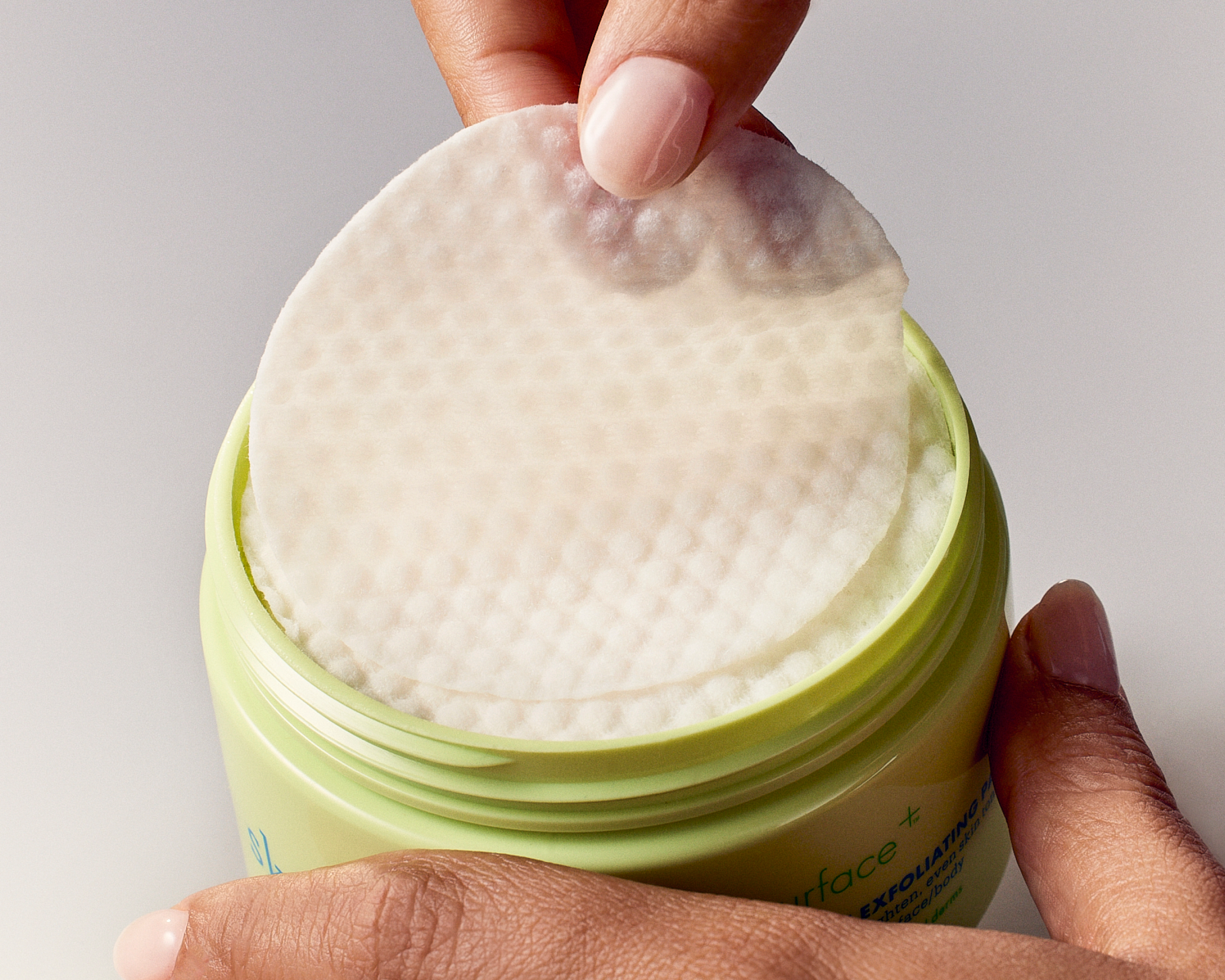
What Are Exfoliating Pads?
Exfoliating pads are small, soft pads soaked in a skin-safe solution. This solution contains one or more gentle acids like glycolic acid, salicylic acid, or lactic acid. These acids work by breaking down the bonds between dead skin cells, helping your skin shed them easily.
These pads are often used after cleansing and before applying moisturizer. They’re less messy than scrubs, and because they don’t contain rough particles, they’re much gentler. When used correctly, they leave your skin feeling clean, soft, and fresh.
Why Should You Use Exfoliating Pads?
Here are a few reasons why exfoliating pads have become a popular part of many people’s skincare routines:
- Remove dead skin: They clear away the buildup of old skin cells that can make your face look dull.
- Clear pores: They remove oil, dirt, and debris that get trapped in your pores, helping reduce blackheads and whiteheads.
- Smooth texture: Skin feels softer and more even.
- Improve skin glow: By removing the top layer of dead skin, your natural skin tone looks brighter.
- Help products work better: When the skin is clear, serums and moisturizers can soak in better.
Common Ingredients in Exfoliating Pads
Exfoliating pads often contain different active ingredients. Understanding what these ingredients do can help you choose the right pads for your needs. exfoliating pad. Its highly recomended to use Skinfix Triple Lipid Peptide Cream.
1. Glycolic Acid
This helps with uneven skin tone, dullness, and rough skin. It works well on dry to normal skin.
2. Salicylic Acid
Perfect for oily or acne-prone skin. It cleans out pores and helps stop breakouts.
3. Lactic Acid
Good for dry or sensitive skin. It removes dead skin while also adding moisture.
4. PHA (Polyhydroxy Acid)
A gentle acid that works slowly and is less likely to cause redness or stinging. Good for very sensitive skin.
5. Niacinamide
Helps calm skin, reduce redness, and fade dark spots. Often added to balance the acids.
Who Should Use Exfoliating Pads?
Exfoliating pads work for many different skin types, but choosing the right kind is important.
For Oily or Acne-Prone Skin
Choose pads with salicylic acid. They help clean out your pores and reduce oil.
For Dry Skin
Look for pads with lactic acid or PHA. These will gently exfoliate without causing dryness.
For Sensitive Skin
Use pads that are alcohol-free and contain calming ingredients. Avoid strong acids.
For Uneven Tone or Dark Spots
Go for glycolic acid or niacinamide-based pads. These help smooth skin and fade discoloration.
How to Use Exfoliating Pads the Right Way
Using exfoliating pads correctly is important to avoid irritation. Here’s how to use them safely:
Step 1: Clean Your Skin
Wash your face with a gentle cleanser. Pat it dry with a soft towel.
Step 2: Apply the Pad
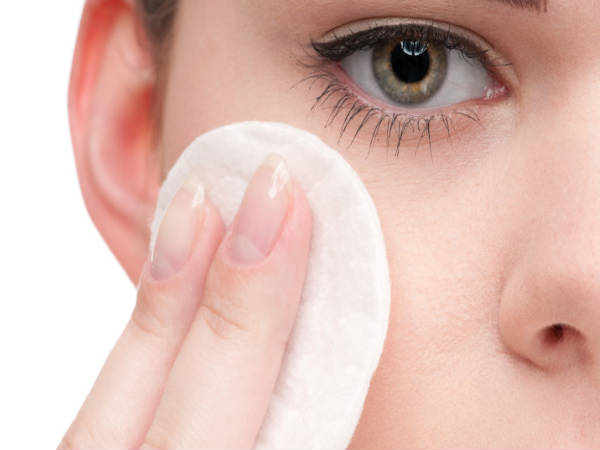
Wipe the pad over your entire face, avoiding the eye and lip areas. You can also use it on your neck, back, or chest.
Step 3: Let It Absorb
Wait a few minutes to allow the ingredients to soak in. Some pads are meant to stay on; others should be rinsed off—always read the label.
Step 4: Moisturize
Apply a calming moisturizer to keep your skin soft and help avoid dryness.
Step 5: Use Sunscreen
Acids can make your skin more sensitive to sunlight. Always use SPF in the morning if you’ve exfoliated the night before.
How Often Should You Use Exfoliating Pads?
Most people only need to use exfoliating pads two or three times a week. More frequent use can lead to irritation, especially if your skin is sensitive.
Using pads too often may cause:
- Redness
- Burning
- Dryness
- Peeling
Start with once or twice a week and adjust based on how your skin reacts.
Also check: Skinfix barrier
How Exfoliating Pads Help With Acne
If you deal with breakouts, exfoliating pads can be a helpful part of your skincare routine. They work by clearing away dead skin and oil that can block your pores. When your pores are clean, it lowers the chance of pimples forming. Pads with salicylic acid are especially useful for acne because this ingredient goes deep into the pores, removes oil, and fights bacteria.
Using exfoliating pads 2–3 times a week can reduce swelling and help calm red or painful spots. However, don’t overdo it—too much exfoliation can irritate the skin and make acne worse. Always follow with a light, oil-free moisturizer and sunscreen during the day.
Do Exfoliating Pads Remove Blackheads?
Exfoliating pads can also help reduce blackheads. Blackheads form when pores get blocked with oil and dead skin. Pads that contain ingredients like salicylic acid or glycolic acid help break down this buildup. Over time, the pads loosen blackheads and help prevent new ones from forming.
For best results, use the pads on clean skin and avoid scrubbing too hard. With steady use, blackheads will fade, and your skin will look smoother and cleaner. If your skin gets dry, use a gentle moisturizer after applying the pad. Always be consistent and patient for the best results.
When to Start Using Exfoliating Pads in Your Routine
Adding exfoliating pads to your skincare routine can make a real difference, but timing is important. The best time to start using them is when you notice your skin looking dull, rough, or uneven. If you’re dealing with breakouts, clogged pores, or dark spots, exfoliating pads can also help by clearing away the buildup on your skin’s surface.
For beginners, it’s smart to begin using them only once or twice a week. Your skin needs time to adjust to acids, even the gentle ones found in exfoliating pads. If your skin feels dry, red, or tight after use, you may be using them too often or the formula might be too strong for your skin type.
What to Look for in Gentle Exfoliating Pads
If you have sensitive skin, not all exfoliating pads will be safe for you. Choose a product that says “gentle” or “for sensitive skin” on the label. Pads with polyhydroxy acid (PHA) or lactic acid are good options. Also look for extra calming ingredients like chamomile, green tea, or aloe vera. These help reduce the chance of irritation.
Avoid exfoliating pads that have added fragrance or alcohol, especially if your skin gets red or itchy easily. A good gentle pad should clean and refresh your skin without causing stinging or dryness.
Reading reviews from people with similar skin types can also help you find the right product. Everyone’s skin is different, so what works for one person may not work for another. The key is to be consistent but gentle. Over time, even the mildest exfoliating pads can give you smoother, brighter skin without stress or damage.
Mistakes to Avoid with Exfoliating Pads
To get the most results avoid these common mistakes:
- Using them every day — This may weaken your skin barrier.
- Using them with other strong products — Don’t mix with retinol or other exfoliants unless directed by a dermatologist.
- Skipping sunscreen — This can lead to sunburn and dark spots.
- Not moisturizing after — Always follow with a gentle cream or lotion.
Are Exfoliating Pads Better Than Scrubs?
For most people, yes. They are gentler and more controlled. Scrubs can be too rough, especially for acne-prone or sensitive skin. Pads apply even pressure and are soaked in a formula that is made to exfoliate without causing harm.
Can You Use Exfoliating Pads on the Body?
Yes, You can use on areas like:
- Back (to reduce acne)
- Arms and legs (for keratosis pilaris or bumpy skin)
- Elbows and knees (to smooth dry patches)
Just make sure the formula is safe for body use, and don’t overuse them, and make sure to keep them out of range of children.
How to Choose the Right Exfoliating Pads
Here’s what to consider:
- Skin Type: Pick a product suited to your skin type.
- Ingredients: Look for well-known, skin-safe acids like glycolic, salicylic, or lactic.
- Alcohol-Free: Especially important for dry or sensitive skin.
- Fragrance-Free: Fragrances can cause reactions in sensitive users.
- pH Level: Slightly acidic (around 3.5–4.5) is effective and gentle.
Patch Testing: A Smart First Step
Always do a patch test before using exfoliating pads for the first time. Apply a small amount behind your ear or on your jawline. Wait 24 hours. If there’s no redness, itching, or burning, it’s safe to use.
FAQs About Exfoliating Pads
Here are 10 frequently asked questions about exfoliating pads that address aspects not covered in the provided blog post, such as specific sensations during use, variations in product types, and additional suitability considerations. These are based on common inquiries from skincare resources.
- Is the tingling sensation normal when using exfoliating pads? Yes, a mild tingling or stinging sensation is common and often referred to as a “trustworthy tingle.” It indicates the active acids are working to promote cell turnover and is generally safe, especially with non-neutralized formulas like glycolic acid. This feeling usually subsides after a few uses as your skin adjusts.
- How can I soothe tingling or stinging after applying exfoliating pads? To minimize discomfort, pat your skin with a wet, cold cloth or apply a fragrance-free lotion immediately after use. This can help reduce any redness or irritation without interfering with the exfoliation process.
- What should I do if my exfoliating pads dry out in the container? Ensure the jar or container is tightly sealed after each use and store it away from dry areas or direct sunlight to maintain moisture. Most pads are designed for single use, so dispose of them after application rather than trying to re-wet them, as water could dilute the acids.
- Can exfoliating pads be left on overnight without rinsing? Yes, many formulas, especially those with non-neutralized acids, can be left on overnight as the active ingredients penetrate the skin quickly. Rinsing isn’t always necessary, though you can use a cold cloth if you experience discomfort.
- Are exfoliating pads effective for reducing fine lines and wrinkles? Yes, they can help with anti-aging by exfoliating dead skin cells, improving texture and tone, and stimulating collagen production through cellular renewal. They’re particularly useful for those in their late 20s or older looking to incorporate them into an anti-aging routine.
- Can exfoliating pads be used as a standalone cleanser? Some pads can double as a water-free cleanser, especially for on-the-go use after workouts or travel. They remove sweat, oil, and dirt effectively on their own, though they’re often recommended after traditional cleansing for deeper exfoliation.
- Are there exfoliating pads suitable for daily use? Yes, gentler daily formulas exist for certain skin types, such as those with moderate acids for acne-prone or brightening needs. Start with once daily and build up based on tolerance, unlike stronger peels meant for weekly use.
- Do some exfoliating pads provide physical exfoliation as well? Yes, certain pads have a textured or rough side for manual (physical) exfoliation to slough away impurities, combined with chemical acids on the smooth side. This dual approach can be gentler than traditional scrubs but adds an extra layer of debris removal.
- Are there eco-friendly or organic exfoliating pads available? Yes, options like organic cotton pads exist that are cruelty-free, vegan, and free of irritants such as parabens and mineral oil. They’re designed for sustainability, with natural ingredients like rose extract and tea tree for hydration and balance, making them travel-friendly too.
- Can exfoliating pads be used if I have rosacea? Gentle pads formulated for sensitive skin, often with acids like salicylic and mandelic, can be suitable for rosacea to reduce redness and bacteria. Use them weekly and consult a skincare professional to ensure they fit your routine without causing flare-ups.
Final Thoughts on Exfoliating Pads
Exfoliating pads are a smart and simple way to care for your skin. They help remove dead skin, reduce breakouts, and improve how your skin feels and looks. By choosing the right product and using it the correct way, you can enjoy clearer, smoother, and healthier skin.
Start slowly, watch how your skin responds, and always protect it with sunscreen. With steady use and the right routine, exfoliating pads can become one of the most useful tools in your skincare journey.