
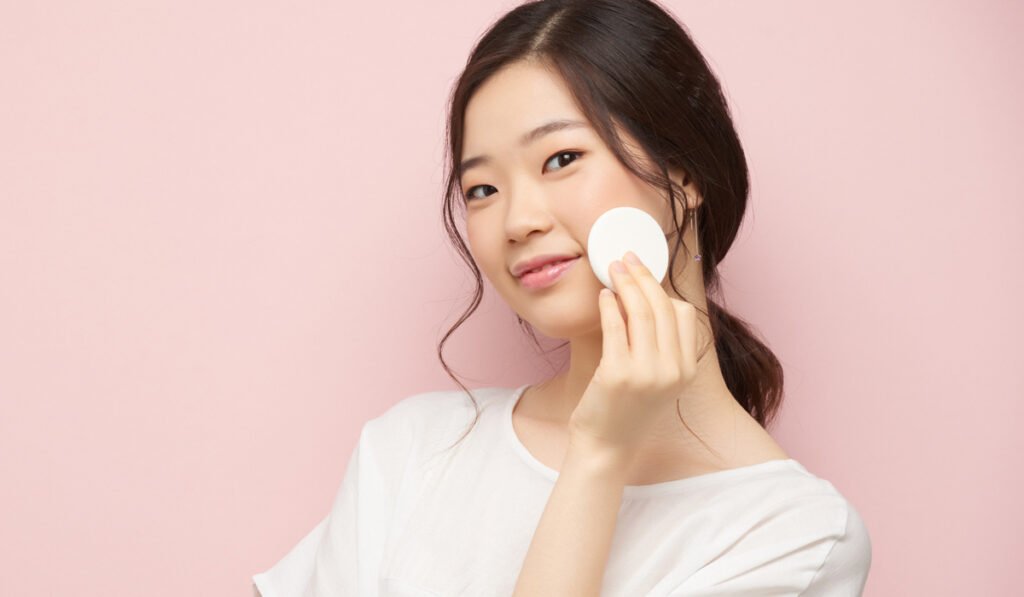
Adding exfoliating pads for face into your routine is a smart move if you want smooth, clear skin with less effort. These pads offer a gentle and consistent way to remove dead surface cells and unclog pores. They are soaked in exfoliating ingredients like AHAs, BHAs, or PHAs. Each swipe helps renew the skin, boost glow, and improve texture—making your skin look healthier and more even.
In this post, we’ll explain what exfoliating pads for face are, why they work well, how to choose the right one, and how to use them safely. We include expert tips, product insights, and answers to frequent questions.
What Are Exfoliating Pads for Face and Why Do They Work?
Exfoliating pads for face are disposable pads pre-soaked with exfoliating acid solutions. Common acids include glycolic acid, lactic acid, salicylic acid, or combinations (AHA + BHA). These products help remove dead skin cells on the surface and inside pores. As reported in Vogue, top-rated pads use AHA and BHA to refine pores, smooth texture, and brighten tone with regular use.

These pads offer quick results with standardized product strength and spread—no measuring or mixing needed. They are a handy middle step between cleansers and serums.
Also check: Pad Exfoliating Tips
Top Benefits of Using Exfoliating Pads
Ease and Speed
One big advantage is how fast they work. Instead of rinsing scrub or waiting for a mask, just swipe the pad and follow with moisturizer .
Pore Clearing and Acne Control
Pads containing salicylic acid reach inside pores to dissolve oil and debris, reducing clogged pores and breakouts. This is a smart choice for acne-prone or oily skin .
Smoother Skin and Even Tone
AHAs like glycolic or lactic acid help fade dark spots and smooth rough areas. Regular use leads to more even tone and softer skin.
Better Absorption of Other Products
Exfoliating pads remove buildup that can block skincare ingredients. That means serums and moisturizers sit deeper within your skin and work better.
Anti-Aging Effects
Certain acids encourage collagen and cell renewal. Over time, fine lines and texture irregularities soften, promoting a youthful appearance .
How to Pick the Right Exfoliating Pad for Your Skin
Match It to Your Skin Type
- Oily or acne-prone skin: Look for pads with BHA or a mix of AHA + BHA.
- Dry or sensitive skin: Choose gentle AHA or PHA pads with hydrating agents.
- All skin types with dull tone: AHA pads help brighten without harsh friction (Allure, Nasola).
Choose Brands That Balance Ingredients
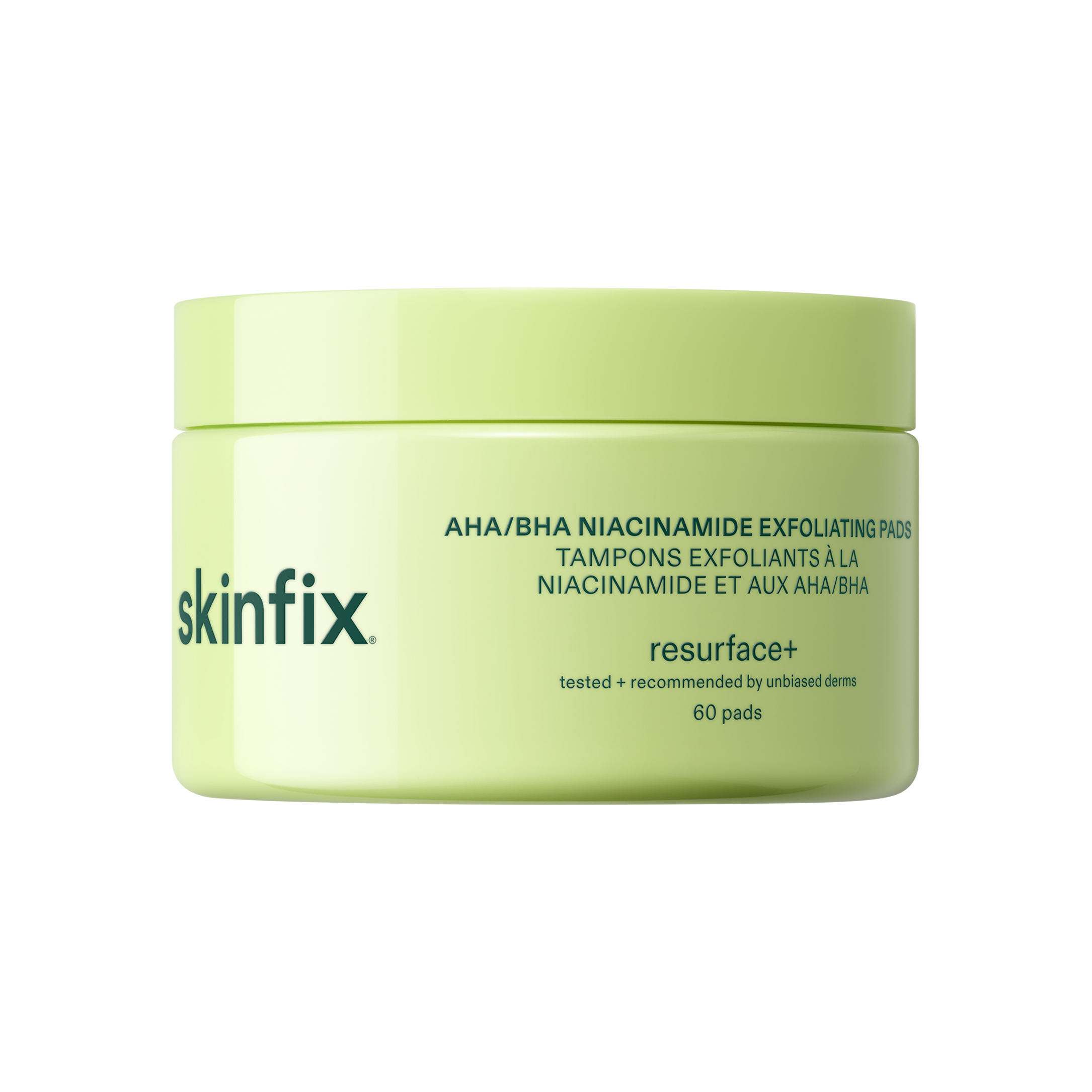
Products like Dr. Dennis Gross, SkinMedica, Neogen, and StriVectin offer pad formulas suited for different concerns like aging, sensitivity, breakout-prone skin, or dull texture.
Pay Attention to Formula Details
Look for hydrating or soothing components such as hyaluronic acid, niacinamide, tea tree, aloe, or plant extracts. Avoid alcohol or fragrance if your skin is sensitive.
Preferred Multi-surface Design
Some pads include a textured side for light mechanical exfoliation and a smooth side for serum-like application—a helpful feature in dual-textured pads like Medicube Zero Pore Pads.
How to Use Exfoliating Pads Safely
- Clean your face first—use a mild cleanser.
- Take one pad—turn the container, pick a pad, and start gently wiping your skin.
- Avoid eye area—stay clear of delicate skin.
- Light swipe or use circular motion—especially with textured pads.
- Wait a minute or two—allow acids to work before applying moisturizer or serum.
- Moisturize and apply sunscreen (AM)—exfoliation can increase sun sensitivity.
- Frequency: Begin with 1–2 times per week. If tolerated, build to 3–4 times weekly depending on skin type and strength .
Note: Avoid using other exfoliants (scrubs, peels) on the same days to prevent over-exfoliation and barrier damage.
Sample Routine Using Exfoliating Pads
Evening Routine (2–3x weekly):
- Cleanse
- Wipe with exfoliating pad
- Wait 1–2 minutes
- Apply hydrating serum (e.g., hyaluronic acid)
- Apply barrier‑supporting moisturizer
Morning after exfoliation night:
- Cleanse gently
- Use SPF moisturizer or serum
- Skip strong actives for that morning
How Often Should You Use Exfoliating Pads and Why It Matters
There’s no one-size-fits-all rule for how often to use exfoliating pads for face. Frequency depends on your skin type, the strength of the pad, and how your skin reacts.
-
Oily or Acne-Prone Skin: You can start with 3–4 times a week. This helps clear oil and calm breakouts.
-
Normal or Combination Skin: Try using them every other day or 2–3 times weekly.
-
Dry or Sensitive Skin: Start at 1–2 times weekly. You may find that this is all your skin needs.
Watch for signs of overuse: stinging, redness, flaking, or tightness. If you notice these, reduce frequency. Sometimes hanging onto the same pad for another day or skipping a day can help reset your skin. Remember, consistency is more important than intensity. Using the pad gently and regularly gives better results than overdoing it once in a while.

Layering Skincare: What Works Well with Pads
When you include exfoliating pads in your skin care steps, the order of products matters:
-
Cleanser: A mild, gentle cleanser to clear away makeup, oil, or impurities.
-
Pad Swipe: Use your exfoliating pad. This removes dead cells and primes your skin.
-
Hydrating Serum: Ingredients like hyaluronic acid or glycerin lock in moisture and support the skin barrier.
-
Repair or Treatment Serum: If you’re using niacinamide, antioxidant serums, or acne treatments, apply them after the hydrating step.
-
Moisturizer: A cream or lotion with ceramides, peptides, or plant oils to seal in hydration.
-
Sunscreen (AM only): A broad-spectrum SPF 30+ daily protects your fresh skin.
Avoid pairing pads with strong exfoliants like retinoids, benzoyl peroxide, or high-dose vitamin C in the same session. You can alternate days or use pads in your PM routine and these actives in the AM or alternate nights.
What to Do When You Experience Irritation
Even gentle acids can cause irritation if your skin is sensitive. If your skin gets red, tight, or itchy after using an exfoliating pad, here’s what to do:
-
Skip the Pad for a few days and switch to a barrier-restoring moisturizer.
-
Use a Repair Cream with ceramides, panthenol, or oat extract to calm the skin.
-
Cut Down on Actives like acids, retinoids, or fragrance until your skin calms.
-
Patch Test: When you bring the pad back into your routine, start with one swipe on the inner cheek or jawline.
-
Drop Frequency: Reduce to once every 4–5 days, then build back up gradually.
Skin can surprise you—just because it tolerated a pad before doesn’t mean it always will. Hormone shifts, weather changes, stress, or new cleansers can affect your tolerance.
How to Store and Handle Exfoliating Pads
To keep your pads fresh and effective, proper handling is key:
-
Close the lid tightly after each use to prevent drying.
-
Keep the container in a cool, dark place—a bathroom cabinet is fine, but avoid direct heat or steam.
-
Clean hands only: wash your hands before taking out a pad or use tweezers to avoid introducing bacteria.
-
Don’t transfer leftover solution into another container—air exposure can reduce acid activity.
-
Check expiration date: Acids lose strength over time.
Can Men Use Exfoliating Pads?
Yes! Many men skip exfoliating because they worry about harsh scrubs. Pads offer a safer way to get rid of dead skin, reduce ingrown hairs, and soften rough areas. After shaving, a swipe can help calm pores and prevent razor bumps—even if your skin feels smooth. Just follow a moisturizer to soothe the skin afterward.
Using Pads with Makeup: Prep and Recovery
If you wear foundation or powder, using exfoliating pads can help your makeup sit better and last longer:
-
Use at night so your skin can calm down before morning makeup.
-
Try them post-peptide mask: with a clean face but before moisturizers, pads smooth the surface for an even base.
-
Start your routine gently: use pads on clean skin, then follow with your usual daytime regimen.
Should You Rinse After Using a Pad?
Unless your pad says to rinse, you usually don’t need to. Allow the skin to absorb the solution. Rinsing right away can wash away beneficial acids. If your skin feels sticky, let it sit for 60 seconds, then continue with your routine. Always read directions – some pads contain water-like formulas meant to stay on.
Are Itchy or Tingly Feelings Normal?
A slight tingle or warm feeling during the first use is normal. It shows the acids at work. However, sharp burning, itchiness, or redness that lingers more than 10 minutes means it’s reacting too harshly. Rinse with cool water and skip using the pad for a few days.
What to Expect: Results and Possible Reactions
Many users see a glow and smoother skin within a week. With continued use, tone evens and pores shrink. Acne-prone skin often shows fewer breakouts over time.
Some may experience initial purging—a rise in small breakouts or congestion. This can be normal as oils and impurities are pushed out from pores, then skin clears—typically within 2–4 weeks .
Redness or mild stinging may appear at first. If irritation persists beyond two weeks or becomes painful, stop use and wait for skin to heal.
Real User Feedback and Expert Insight
From Reddit and Reviews:
- People using Mediheal Phyto-Enzyme Peeling Pads report noticeable smoothing of skin texture within a few days. They describe it as hydrating and non-irritating when used properly.
- Another user praise Round Lab Pine Calming Cica Pads for reducing blackheads and softening texture. They found it refreshing and calming while still exfoliating gently.
Editor Picks:
- Vogue highlights top scrub pads like Dr. Dennis Gross, Neogen Real Cica Pad, and SkinBetter Science pads—all praised for combining exfoliation with skin care.
- Allure lists top options for glow, breakout control, texture, and hydration across brands with varied skin needs and budgets .
Addressing Common Questions and Concerns
Can I use the pad on my neck or chest?
Yes. These pads work well on broader areas with roughness or breakouts, as long as skin isn’t broken or irritated.
Can I cut a pad in half to make it last?
Yes—many pads are soaked generously. Splitting one in half can still offer results while stretching the supply.
Can I leave a pad on as a mini-mask?
Some pads with moisturizing gels can be left for a few minutes before removal. This enhances hydration while exfoliating softly.
Do exfoliating pads help with aging signs?
Yes. In addition to smoothing skin texture, repeated use helps promote cell turnover and can reduce fine lines over time.
Are pad exfoliants eco‑friendly?
Some brands offer compostable pads or produce refill packs to cut down waste. Always check packaging or brand info.
Why Exfoliating Pads Could Be Better than Scrubs
Physical scrubs rely on rubbing, which can irritate or create micro-tears in skin. Pads offer a milder chemical method that dissolves dead cells—so it’s safer for sensitive or reactive skin. Plus, pads work consistently and are mess-free. They also improve how other products absorb, something scrubs don’t do.
How to Tell If Exfoliating Pads Are Working
Knowing whether your exfoliating pads are giving results can take a little time. You may not see major changes overnight, but there are signs your skin is responding well.
In the first few uses, your skin might feel smoother. This happens because the dead cells that make skin rough are being removed. After a week or two, you may notice a soft glow, especially if dullness was a concern. Uneven texture, small bumps, or clogged pores can also start to look better.
If you’re using pads to help with breakouts, give it at least two weeks. Breakouts may seem to increase at first—this is called purging, a normal process when skin clears out built-up debris. After this, skin often becomes clearer and calmer.
Another good sign is better product absorption. If your serums or moisturizers seem to work more effectively, it could mean your exfoliating pad is prepping your skin well.
However, if you notice ongoing redness, dryness, or irritation, you might be using them too often or need a gentler formula. Always adjust based on how your skin feels, not just the instructions on the package. Everyone’s skin reacts differently, so listening to yours is key.
Final Thoughts
Exfoliating pads for face are a smart, gentle way to upgrade your skincare. They help clear pores, smooth texture, brighten tone, and prepare your skin for better absorption of serums and moisturizers. They work well for many concerns—from occasional roughness to mild acne or dullness.
Start slow, follow directions, and pay attention to how your skin reacts. With patience and consistent use, these pads can help your skin look clearer, feel smoother, and stay healthier—without harsh scrubbing or complex routines.