
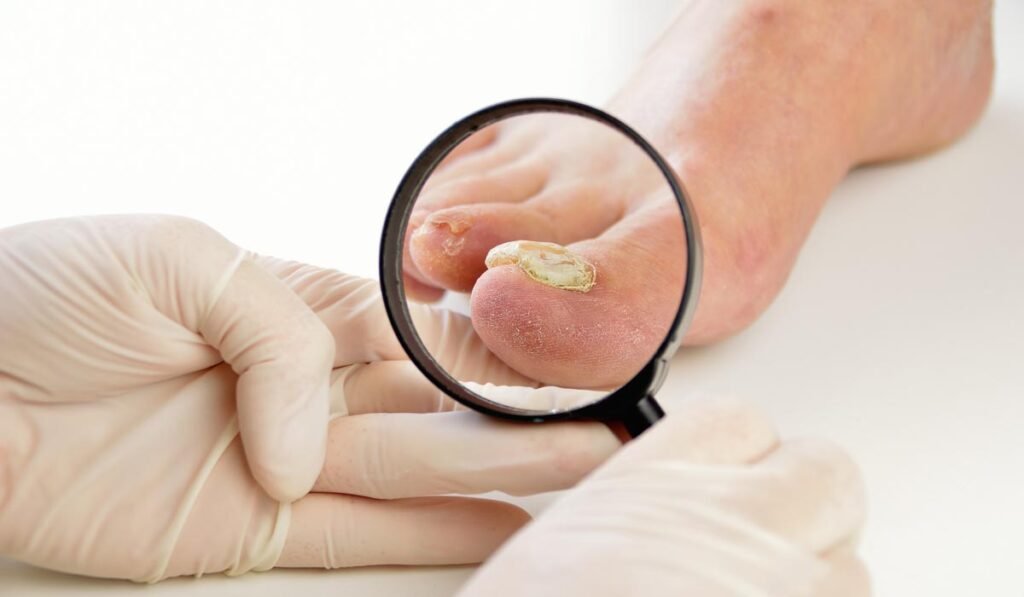
Gel polish manicures are loved for their long-lasting, glossy finish, but for some, they come with a hidden risk: A gel polish allergy. This condition, caused by certain chemicals in gel polish, can lead to itchy, red, or swollen skin and even nail damage. If you’ve noticed discomfort after a gel manicure or want to prevent issues, understanding gel polish allergy is key to keeping your nails beautiful and healthy.
In this guide, we’ll explain what a gel polish allergy is, its causes, symptoms, and how to manage or prevent it. We’ll also share safer alternatives and practical tips for enjoying manicures without risking your skin or nails. Whether you’re a gel polish fan or a nail technician, this post offers clear, actionable advice to help you stay safe and confident.
What Is a Gel Polish Allergy?
A gel polish allergy is an allergic reaction to chemicals in gel nail polish, most commonly methacrylates like HEMA (hydroxyethyl methacrylate). These chemicals, used to create the durable, shiny finish of gel manicures, can trigger skin reactions if they contact the skin or aren’t properly cured under a UV or LED lamp. The result is often contact dermatitis, a condition causing redness, itching, or swelling around the nails or other areas like the fingers, face, or neck.
Gel polish allergies are becoming more common, especially with the rise of at-home gel kits, which may lack proper instructions or professional-grade equipment. The British Association of Dermatologists has noted a significant increase in these allergies, with 2.4% of people tested showing sensitivity to at least one type of methacrylate. This guide will help you understand why these reactions happen and how to avoid them while still enjoying gorgeous nails.
Why Do Gel Polish Allergies Happen?
Gel polish contains several ingredients that work together to create its long-lasting effect. The main culprits behind a gel polish allergy are:
1. Methacrylates (HEMA, Di-HEMA, HPMA)
Methacrylates are monomers that harden into a strong, glossy film when cured under UV or LED light. HEMA is the most common allergen, but Di-HEMA and HPMA can also cause reactions. If uncured polish touches the skin or isn’t fully hardened, these chemicals can penetrate the skin, triggering an allergic response.
2. Photoinitiators
Photoinitiators, like TPO, start the curing process when exposed to UV light. If not fully cured, they can irritate the skin or cause allergic reactions.
3. Other Chemicals
Ingredients like formaldehyde, toluene, or dibutyl phthalate (DBP) in some polishes may also cause irritation or allergies, especially in sensitive individuals. These are less common in modern gel polishes but still appear in lower-quality products.
The risk of a gel polish allergy increases with improper application, such as getting polish on the skin, using a weak or incompatible UV lamp, or rushing the curing process. At-home kits are a major factor, as they’re often used without proper training, leading to uncured polish contacting the skin.
Symptoms of a Gel Polish Allergy
Recognizing a gel polish allergy is crucial for quick action. Symptoms typically appear around the nails but can spread to other areas you touch, like the face or neck. Common signs include:
- Redness and Swelling: The skin around the nails may turn red, swollen, or warm.
- Itching or Burning: Intense itching or a burning sensation is common, sometimes with tiny blisters (dyshidrosis).
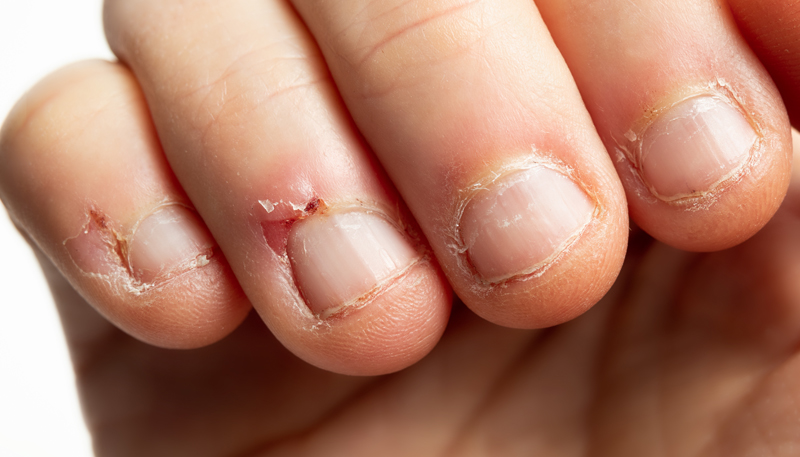
- Dry, Cracked Skin: The skin may become dry, flaky, or cracked, especially near the cuticles.
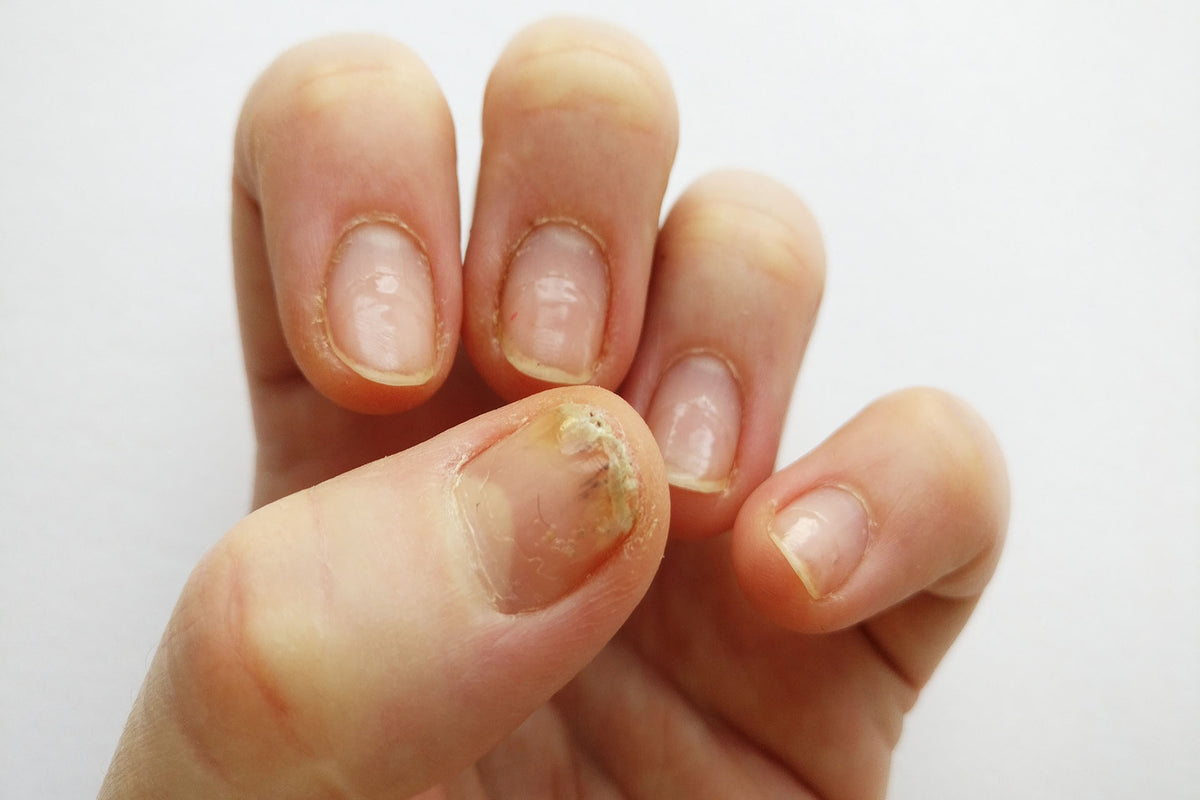
- Nail Changes: Nails may lift from the nail bed (onycholysis), change color, or become brittle.
- Blisters or Rashes: Severe cases may cause fluid-filled blisters or rashes on the fingers, hands, or face.
- Rare Breathing Issues: In very rare cases, inhaling uncured chemicals may cause respiratory discomfort.
Symptoms can appear immediately or develop over time with repeated exposure. Once an allergy develops, it’s often lifelong, meaning you’ll need to avoid the allergen to prevent reactions.
Who Is at Risk for a Gel Polish Allergy?
Anyone can develop a gel polish allergy, but certain factors increase the risk:
- Frequent Gel Manicures: Regular exposure to gel polish, especially without proper application, raises the chance of sensitization.
- At-Home Kit Users: DIY kits often lack professional-grade lamps or clear instructions, increasing the risk of uncured polish contacting the skin.
- Sensitive Skin or Allergies: People with a history of contact dermatitis or other allergies are more prone to reactions.
- Nail Technicians: Professionals handling gel polish daily are at higher risk due to repeated exposure, especially if gloves aren’t used properly.
Also check: Best Hand Lotion
How to Prevent a Gel Polish Allergy
Preventing a gel polish allergy is easier than treating one. Here are practical steps to reduce your risk:
1. Choose HEMA-Free or Hypoallergenic Products
Opt for gel polishes labeled HEMA-free or hypoallergenic, like Manucurist Green Flash or Zero Gel Polish, which avoid common allergens like HEMA, Di-HEMA, HPMA, TPO, and IBOA. Always check the Safety Data Sheet (SDS) to ensure HEMA levels are below 35% if present.
2. Visit a Professional
Professional nail technicians are trained in proper application and curing techniques, reducing the risk of a gel polish allergy. Ensure the salon uses the same brand for base, color, top coat, and lamp to guarantee proper curing.
3. Use the Right UV/LED Lamp
The lamp must match the gel polish brand and have at least 36 watts with the correct wavelength (340-395nm). Using a mismatched or low-quality lamp can leave polish uncured, increasing allergy risk.
4. Avoid Skin Contact
Ensure no polish touches the skin or cuticles during application. Professionals should clean any stray polish before curing. At home, use a cuticle guard or Vaseline around nails to block contact.
5. Follow Curing Times
Each gel polish brand has specific curing times (e.g., 30, 60, or 90 seconds). Follow these exactly to ensure the polish hardens fully, preventing uncured chemicals from causing irritation.
6. Wear Protective Gloves
Nail technicians should wear nitrile gloves and change them every 30 minutes during application to avoid chemical exposure. Clients with sensitive skin can also request gloves during manicures.
7. Avoid Low-Quality Products
Cheap gel polishes, especially from unverified online sellers, may contain high levels of allergens or fail to cure properly. Stick to reputable brands like Kokoist or Semilac, which meet EU safety standards.
8. Patch Test New Products
Before a full manicure, apply a small amount of polish to one nail and cure it properly. Monitor for reactions over 48 hours to catch potential allergies early.
How to Treat a Gel Polish Allergy
If you suspect a gel polish allergy, act quickly to minimize discomfort and prevent worsening:
- Remove the Polish: Soak nails in acetone-based remover or visit a professional to remove the gel polish completely. Avoid peeling or picking, as this can damage nails and skin.
- Clean and Moisturize: Wash the affected area with a gentle, fragrance-free cleanser and apply a soothing, hypoallergenic moisturizer like CeraVe Healing Ointment to calm irritation.
- Use Antihistamines: Over-the-counter antihistamines like Xyzal or Claritin can reduce itching and swelling. For severe reactions, consult a doctor for stronger options.
- Apply Topical Steroids: For persistent redness or rashes, a doctor may prescribe a low-potency corticosteroid cream to reduce inflammation. Avoid long-term use without medical guidance.
- See a Dermatologist: If symptoms last more than a few days, include blisters, or affect breathing, consult a dermatologist. They can perform patch testing to identify the specific allergen.
- Take a Break: Avoid all nail products, including regular polish, until symptoms fully resolve. This may take days to weeks, depending on severity.
Safer Alternatives to Gel Polish
If you’ve developed a gel polish allergy or want to avoid the risk, try these alternatives:
- HEMA-Free Gel Polishes: Brands like Manucurist Green Flash are HEMA- and methacrylate-free, offering a safer gel-like experience with easy removal.
- Press-On Nails: Daring Lily’s press-on nails use allergen-free adhesives and mimic gel polish’s shine without UV curing. They’re reusable and ideal for sensitive skin.
- Regular Nail Polish: Modern polishes like Essie’s Gel Couture or Butter London’s 10x Nail Lacquer offer long-lasting shine without UV lamps or methacrylates.
- Nail Strengtheners: Vegan nail conditioners, like Semilac’s Protect & Care, can strengthen nails during a break from gel polish.
Long-Term Risks of Gel Polish Allergy
A gel polish allergy isn’t just a temporary inconvenience—it can have lasting effects. Once sensitized to methacrylates, you may react to them in other products, like dental fillings, joint replacements, or diabetic devices, potentially complicating medical procedures. For example, methacrylate allergies have been linked to issues with hip replacements or dental work.
Nail technicians face additional risks from daily exposure, which can lead to chronic skin issues or respiratory problems if proper precautions aren’t taken. Switching to hypoallergenic products and using protective gear is crucial for professionals.
Tips for Nail Technicians
If you’re a nail technician, protecting yourself and clients from a gel polish allergy is essential:
- Educate Clients: Explain the risks of gel polish and the importance of proper application. Recommend HEMA-free options for sensitive clients.
- Use High-Quality Products: Choose professional-grade polishes from trusted brands and check their SDS for allergen information.
- Maintain Equipment: Regularly clean UV/LED lamps to ensure they cure polish effectively. Replace bulbs as needed to maintain proper wattage.
- Keep a Clean Workspace: Use an extractor fan or disposable towels to reduce dust and chemical exposure, which can trigger allergies.
Real User Experiences
Many users have shared their struggles with gel polish allergies on platforms like Reddit. One user described developing tiny blisters and itchy cuticles after using a cheap at-home kit, only realizing the cause after researching. Another switched to HEMA-free polishes and reported no further reactions after careful application. These stories highlight the importance of using high-quality products and proper techniques.
Where to Buy Safe Gel Polish
To reduce the risk of a gel polish allergy, purchase from reputable retailers like Sephora, Sally Beauty, or brand websites for Manucurist or Kokoist. Avoid unverified online marketplaces, as they may sell low-quality polishes with high allergen levels. A 0.5 fl oz bottle of HEMA-free gel polish typically costs $15-$25.
FAQs About Gel Polish Allergy
1. Can a gel polish allergy go away?
Once developed, the allergy is usually lifelong. Avoiding the allergen is the best way to prevent reactions.
2. Can I still get manicures if I have a gel polish allergy?
Yes, try HEMA-free gel polishes or press-on nails. Regular polish is also a safe option if it’s free of allergens like formaldehyde.
3. How long does it take for symptoms to resolve?
Mild symptoms may clear in a few days with proper care, but severe cases can take weeks. See a doctor if symptoms persist.
4. Are UV lamps safe for gel manicures?
UV lamps are generally safe when used correctly, but repeated exposure may increase skin cancer risk. Limit use and apply SPF to hands before curing.
5. Can I develop a gel polish allergy suddenly?
Yes, allergies can develop even after years of gel manicures due to repeated exposure or changes in product formulas.
6. Can a gel polish allergy affect areas beyond the nails and hands?
Yes, if you touch your face, neck, or other areas after applying uncured gel polish, allergens can transfer, causing rashes or irritation. For example, rubbing your eyes or scratching your face can lead to redness or swelling in those areas. Always wash your hands thoroughly after handling gel polish.
7. Is a gel polish allergy the same as an acrylic nail allergy?
Not exactly. While both involve methacrylates like HEMA, acrylic nails often contain different compounds, such as ethyl methacrylate, which can cause similar but distinct allergic reactions. If you’re allergic to gel polish, you may also react to acrylics, so patch testing is crucial before switching.
8. Can a gel polish allergy cause permanent nail damage?
In severe cases, a gel polish allergy can lead to permanent nail changes, such as thinning, ridging, or chronic nail bed separation (onycholysis). Prompt removal of the polish and avoiding allergens can prevent long-term damage. Consult a dermatologist if nail changes persist.
9. Are there specific tests to confirm a gel polish allergy?
Yes, a dermatologist can perform patch testing to identify the exact allergen, such as HEMA or TPO. This involves applying small amounts of potential allergens to your skin and monitoring for reactions over 48–96 hours. This test is essential for confirming a gel polish allergy and guiding treatment.
10. Can over-the-counter creams treat a gel polish allergy effectively?
Over-the-counter hydrocortisone creams (1% strength) can reduce mild itching and redness, but they’re not a cure. For stronger symptoms, like blisters or swelling, a dermatologist may prescribe a higher-potency steroid cream. Always pair treatment with allergen avoidance to prevent recurrence.
11. Does a gel polish allergy increase sensitivity to other beauty products?
Yes, if you’re allergic to methacrylates in gel polish, you may react to similar chemicals in products like hair extensions, adhesives, or false eyelash glues. Check ingredient lists for methacrylates and avoid products with HEMA or related compounds to prevent cross-reactions.
12. Can children or teens develop a gel polish allergy?
Yes, children and teens can develop a gel polish allergy, especially with frequent exposure to at-home kits or low-quality polishes. Their skin may be more sensitive, so use HEMA-free polishes and supervise application. A patch test is recommended before a full manicure.
13. Does the brand of gel polish affect the likelihood of an allergy?
Yes, lower-quality or unregulated brands may contain higher levels of allergens like HEMA or lack proper labeling, increasing allergy risk. Reputable brands like Kokoist or Manucurist, which meet EU safety standards, are less likely to cause reactions, especially if labeled HEMA-free.
14. Can a gel polish allergy be triggered by inhaling vapors?
In rare cases, inhaling uncured gel polish vapors or dust from filing can cause respiratory irritation or, very rarely, an allergic response like wheezing. Work in a well-ventilated area, use an extractor fan, or wear a mask if you’re a nail technician to minimize this risk.
15. Are there lifestyle changes that can help manage a gel polish allergy?
Yes, maintaining a healthy skin barrier can reduce sensitivity. Use fragrance-free moisturizers daily, avoid hot water on hands, and wear gloves during chores to protect irritated skin. A diet rich in omega-3 fatty acids (e.g., fish, walnuts) may also support skin health, though it won’t cure the allergy.
Final Thoughts
A gel polish allergy can be frustrating, but with the right knowledge, you can enjoy beautiful nails safely. By choosing HEMA-free or hypoallergenic products, using proper application techniques, and visiting professionals, you can minimize risks. If you’ve experienced a reaction, act quickly to remove the polish and seek medical advice. Alternatives like press-on nails or modern regular polishes let you keep your nails stunning without worry.
Have you dealt with a gel polish allergy? Share your tips or favorite allergen-free products in the comments to help others stay safe and stylish!