
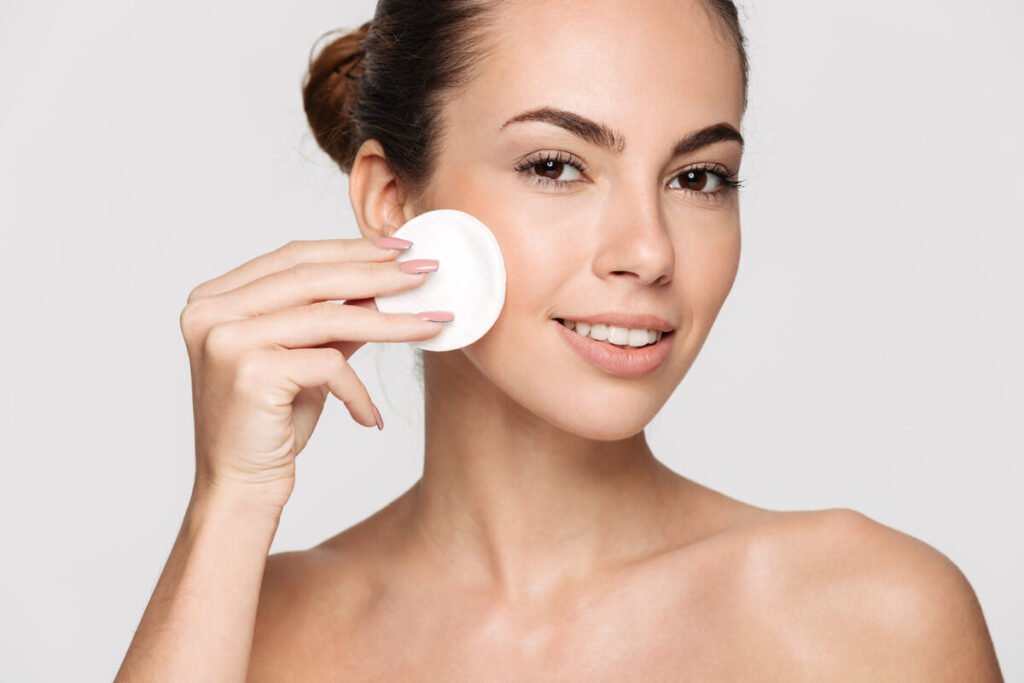
Healthy skin doesn’t come by chance—it comes with the right care. One easy way to improve your skincare routine is through pad exfoliating. These ready-to-use exfoliating pads are becoming more common, and for good reason. They are simple to use, travel-friendly, and effective at removing dead skin and revealing a fresh layer underneath.
In this guide, we’ll talk about what pad exfoliating is, how it works, its benefits, the types available, and how to choose the right one for your skin type. Whether you’re new to skincare or already following a routine, this post will give you all the information you need in a clear and easy-to-follow format.
What Is Pad Exfoliating?
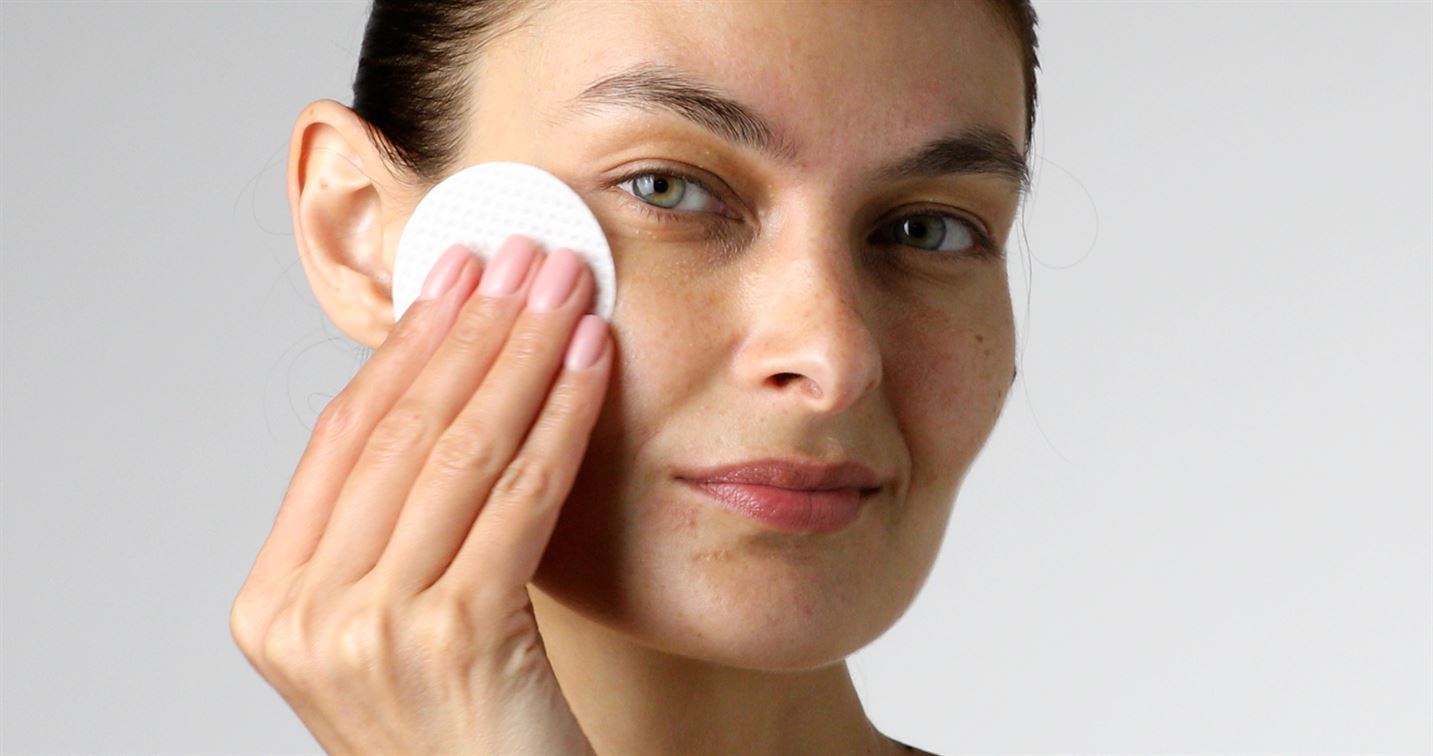
Pad exfoliating refers to the use of pre-soaked cotton or textured pads that contain ingredients designed to remove dead skin cells from the surface of your skin. These pads are already filled with exfoliating liquids—usually acids like AHA (alpha hydroxy acid), BHA (beta hydroxy acid), or a mix of both.
Unlike scrubs that use grainy particles to physically rub off dead skin, exfoliating pads work through a chemical process. This means they gently lift away old skin without the need for scrubbing.
Most exfoliating pads come in jars or tubs with a stack of round pads. You simply take one, wipe it across your face, and toss it. It’s that simple.
You may also like: Exfoliating pads
Why Is Exfoliation Important?
Our skin naturally sheds dead skin cells, but sometimes that process slows down. When dead cells build up on the surface, it can lead to:
- Dull or uneven skin
- Clogged pores
- Breakouts
- Rough texture
- Poor product absorption
Regular exfoliation helps keep your skin smooth, clean, and more even in tone. Pad exfoliating makes this process easy and mess-free.
Benefits of Pad Exfoliating
Using exfoliating pads regularly offers many benefits, especially if you choose a product that suits your skin’s needs. Here are some of the top advantages:
1. Easy to Use
Pads are quick and simple. No measuring, mixing, or waiting. Just swipe and toss.
2. Even Application
Since each pad is soaked with the same amount of product, you get consistent use every time.
3. Travel-Friendly
No need to carry bottles or liquids. Pads come in sealed containers that are easy to pack.
4. Gentle Yet Effective
Many exfoliating pads are made with a smooth surface and balanced acid levels. This gives you good results without being harsh.
5. Works for All Skin Types
There are pad exfoliators for oily, dry, sensitive, and combination skin. Some also help with acne, redness, or dark spots.
Common Ingredients in Exfoliating Pads
Different products use different ingredients, but most pad exfoliating solutions include one or more of the following:
1. Glycolic Acid (AHA)
Helps remove surface dead skin and brighten the skin tone.
2. Lactic Acid (AHA)
Gentler than glycolic acid, good for dry or sensitive skin.
3. Salicylic Acid (BHA)
Reaches into pores to clear out oil and reduce acne. Great for oily or acne-prone skin.
4. PHA (Polyhydroxy Acids)
These are newer, gentler acids that exfoliate without much irritation. Perfect for sensitive skin.
5. Niacinamide
Supports skin barrier and improves tone.
6. Tea Tree Oil
Has antibacterial properties that can help reduce breakouts.
7. Hyaluronic Acid
Adds hydration to prevent dryness after exfoliation.
How to Use Exfoliating Pads the Right Way
Using pad exfoliating products is easy, but following the right steps will give you better results and reduce the risk of irritation:
- Start With a Clean Face
Use a gentle face wash to remove makeup, dirt, and oil. - Take One Pad
Swipe it across your face, avoiding the eye area. You can also use it on your neck or chest. - Don’t Rinse Immediately
Let the product sit on your skin for a few minutes to absorb. - Follow With Moisturizer
Apply a hydrating moisturizer to soothe the skin and lock in moisture. - Use Sunscreen
Exfoliating can make your skin more sensitive to the sun. Always wear sunscreen if you’re heading outdoors.
How Often Should You Exfoliate With Pads?
This depends on your skin type and the strength of the product. Here’s a general guide:
- Oily or acne-prone skin: 3–4 times a week
- Dry or sensitive skin: 1–2 times a week
- Normal or combination skin: 2–3 times a week
Always start slow and see how your skin responds. If you notice redness, dryness, or stinging, reduce the number of times you use it.
Pad Exfoliating vs. Other Methods
Let’s compare pad exfoliating with other types of exfoliation:
| Method | Type | Best For | Notes |
|---|---|---|---|
| Exfoliating Pads | Chemical | All skin types | Easy to use, mess-free |
| Scrubs | Physical | Normal, oily skin | May be too harsh for some |
| Enzyme Masks | Chemical/Natural | Sensitive skin | Very gentle, slow results |
| Cleansers with Acids | Chemical | Daily mild exfoliation | Often lower strength than pads |
Pads offer a good balance between strength and convenience. They are stronger than most daily cleansers but gentler than harsh scrubs.
Can You Use Other Products With Exfoliating Pads?
Yes, but be careful. Because exfoliating pads remove the top layer of dead skin, your skin may become more sensitive. Follow these tips:
- Don’t mix with retinol on the same night. Alternate days.
- Avoid using multiple exfoliating products together to prevent irritation.
- Always moisturize after using the pad.
- Apply sunscreen during the day to protect your fresh skin.
If you’re using serums or treatments, apply them after the pad and before your moisturizer.
How to Choose the Right Exfoliating Pad for Your Skin Type
For Oily Skin
Look for salicylic acid or a mix of AHA and BHA. These help clean pores and reduce oil.
For Dry Skin
Go for lactic acid or PHA-based pads. Avoid alcohol-based formulas that can dry you out.
For Sensitive Skin
Choose pads with PHAs or low levels of AHAs. Look for calming ingredients like aloe vera or chamomile.
For Combination Skin
Use a mild formula 2–3 times a week. Focus on your oily areas more than dry ones.
For Acne-Prone Skin
Find pads with salicylic acid, tea tree oil, or niacinamide. Avoid products with fragrance or alcohol.
When Will You See Results?
Most people start seeing smoother and brighter skin after 1–2 weeks of regular use. For acne or uneven tone, results may take 3–4 weeks.
Be consistent but patient. Don’t overuse the product thinking it will work faster—it might only cause irritation.
Can Pad Exfoliating Replace Scrubs?
For many people, yes. Traditional scrubs use small particles to manually remove dead skin. While they can work, scrubs can also be too harsh—especially for sensitive or acne-prone skin. Pad exfoliating is a gentler option. These pads use acids like glycolic or salicylic to clear dead cells without rubbing or scratching the skin.
One big difference is how they work. Scrubs remove surface buildup, while chemical exfoliants in pads go a little deeper into the pores. This makes pads more effective for things like breakouts, blackheads, and dull skin.
Also, pads are more consistent. With scrubs, how much pressure you use can affect your results or cause damage. Pads are pre-soaked with a set amount of solution, which helps keep your routine safer and more predictable.
If your skin often feels tight, red, or sore after using scrubs, switching to a pad exfoliating product might be a better fit.
How to Store Pad Exfoliating Products Properly
To keep your exfoliating pads fresh and effective, storage matters. Most come in a sealed tub with a lid. Always close the container tightly after use. This prevents the liquid inside from drying out or becoming less effective over time.
It’s best to store them in a cool, dry place—away from direct sunlight and heat. A bathroom cabinet is fine, but don’t leave the container open on the counter or near the shower where steam can get in.
Also, never touch the pads with dirty or wet hands. Use clean fingers or tweezers to remove a pad. This avoids bacteria from getting into the container and affecting the product’s shelf life.
Some pads are sold in single-use packets. These are great for travel and stay fresh longer, so if you don’t exfoliate daily, they can be a good choice.
Using Pad Exfoliating in Your Nighttime Routine
Nighttime is often the best time to use pad exfoliating products. Your skin repairs itself overnight, and exfoliation supports that process by helping remove dead cells that slow renewal.
Start with a gentle cleanser. Pat your face dry, then swipe the pad over your skin. Wait a minute or two before applying your next step—like a serum or moisturizer. This gives the acids time to absorb and work properly.
Avoid using pads right after shaving or waxing, as your skin may be extra sensitive. Also, skip using other active ingredients like retinol or strong vitamin C on the same night to avoid irritation.
When used a few times a week, pad exfoliating can help your skin stay clear, smooth, and more even in tone—without adding much time to your routine.
FAQs about the Pad exfoliating
1. Can I use pad exfoliating during pregnancy?
Yes, but it’s important to check the ingredients. Avoid pads with high-strength salicylic acid or retinoids. Look for pregnancy-safe options with lactic acid or polyhydroxy acids (PHAs), and consult your doctor if unsure.
2. Are there fragrance-free pad exfoliating options for sensitive skin?
Yes. Many brands now offer fragrance-free exfoliating pads specifically for sensitive or allergy-prone skin. Always read the label and choose products labeled “fragrance-free” or “sensitive skin formula.”
3. Can I cut exfoliating pads in half to make them last longer?
Yes, if the pad is well-soaked with solution, cutting it in half can make the product last longer without reducing effectiveness—especially if you’re only targeting certain areas like the T-zone or chin.
4. Do pad exfoliating products help with ingrown hairs?
Yes. Pads containing BHA (like salicylic acid) can help reduce and prevent ingrown hairs by clearing clogged pores and smoothing the skin around the hair follicle.
5. Can I use pad exfoliating on other body parts like underarms or back?
Absolutely. Exfoliating pads can be used on areas like the chest, back, and underarms to reduce breakouts or uneven texture. Just avoid using them on broken or irritated skin.
6. Do exfoliating pads help with dark spots and hyperpigmentation?
Yes. Regular use of pads with AHAs (like glycolic or lactic acid) can gradually fade dark spots and improve uneven skin tone over time by promoting cell turnover.
7. Are there eco-friendly pad exfoliating options?
Yes. Some brands offer biodegradable pads or reusable cotton rounds with refillable solutions. Look for eco-conscious labels or sustainable packaging to reduce waste.
8. Should I rinse my face after using exfoliating pads?
In most cases, no. Most pad exfoliating products are designed to be left on the skin to allow the ingredients to work. However, always follow the instructions on the product packaging.
9. Can teenagers use exfoliating pads safely?
Yes, but they should choose mild formulas with lower acid concentration. Products with salicylic acid are often recommended for teen acne, but frequency should be limited to 1–2 times per week.
10. What’s the difference between toner and pad exfoliating?
Toners are usually liquids applied with cotton pads and focus on balancing skin pH or adding hydration. Exfoliating pads, on the other hand, contain active acids meant to remove dead skin and improve texture.
11. Is Pad Exfoliating Safe for Sensitive Skin?
Yes, but with care. People with sensitive skin often worry about irritation from exfoliating products—and for good reason. However, pad exfoliating can be a gentle option when chosen wisely. Look for pads labeled “sensitive skin” or “gentle formula.” These usually contain lower acid levels and include calming ingredients like aloe vera or green tea.
Start by using the pads once a week. If your skin reacts well, you can slowly move to two or three times per week. Avoid using them on broken or very dry areas, as that can cause stinging.
Also, don’t mix exfoliating pads with other strong treatments like retinol or acne creams on the same day. Give your skin time to rest in between.
Always follow with a good moisturizer and use sunscreen daily. When used the right way, pad exfoliating can help sensitive skin become smoother and brighter without damage.
Final Thoughts
Pad exfoliating is a simple and effective way to remove dead skin, clean out pores, and improve your skin’s look and feel. With many options available, you can find a product that suits your skin type and your routine.
Whether you’re fighting breakouts, dull skin, or uneven texture, using exfoliating pads 1–3 times a week can make a noticeable difference. Just remember to follow the basics: start slow, moisturize, and always wear sunscreen.
Clean, smooth, and clear skin starts with small steps—and pad exfoliating is one of the easiest to add to your routine.