

Skin barrier repair cream can fix your skin dry or irritated skin. Many people deal with this issue every day. The skin barrier plays a big role in keeping your skin healthy. When it gets damaged, problems start to show up. That’s where skin barrier repair cream comes in. This product helps fix and protect your skin. In this post, we’ll cover everything you need to know about it. From what it is to how to use it right. Let’s get started. Also check: Skinfix
What Is the Skin Barrier?
Your skin barrier is the outer layer of your skin. It acts like a shield. It keeps harmful things out, such as bacteria and toxins. At the same time, it locks in moisture to keep your skin hydrated. The top part, called the stratum corneum, is key to this function. Think of it as bricks and mortar. The bricks are skin cells, and the mortar is lipids like ceramides and fatty acids.
This barrier also helps control water loss from your body. It stops irritants from getting in. Without a strong barrier, your skin can become weak. Issues like dryness or infections may arise. Keeping it intact is important for overall skin health.
Also visit: Skinfix Barrier
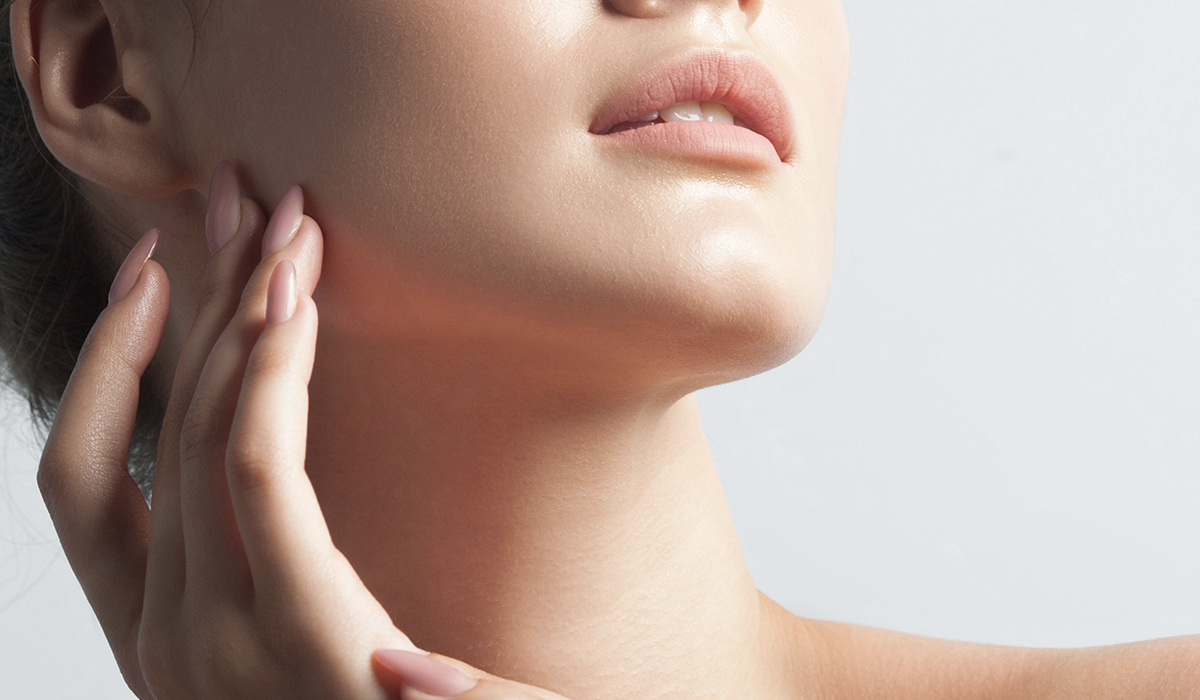
Signs of a Damaged Skin Barrier
How do you know if your skin barrier needs help? Look for common signs. Dryness and tightness are often the first clues. Your skin might feel rough or flaky. Redness can appear, especially on cheeks or around the nose. Itchiness is another big signal. If your skin stings or burns after using products, that’s a red flag.
Acne breakouts can happen too. Or you might see rough patches and discoloration. Infections become more likely when the barrier is weak. Inflammation shows up as swelling or pain. These symptoms can make daily life uncomfortable. Pay attention to them early. Fixing the barrier can ease these problems fast.
What Is Skin Barrier Repair Cream?
Skin barrier repair cream is a type of moisturizer made to fix damaged skin. It goes beyond regular lotions. These creams restore lipids that your skin loses. They help rebuild the protective layer. Many contain ingredients that mimic your skin’s natural structure.
Unlike basic moisturizers, these creams target repair. They calm irritation and boost healing. You can use them on your face or body. They work well for conditions like eczema or dry skin. Regular use strengthens the barrier over time. It’s a simple way to support your skin’s defense system.
Key Ingredients in Skin Barrier Repair Cream
What makes these creams effective? Look for certain ingredients. Ceramides top the list. They fill gaps in the skin barrier. Hyaluronic acid draws in moisture. It keeps skin plump and hydrated.
Niacinamide soothes and strengthens the barrier. Fatty acids and cholesterol work with ceramides for full repair. Plant oils like jojoba or sunflower add natural protection. Colloidal oatmeal calms sensitive skin.
Glycerin is a humectant that pulls water to the skin. Peptides help build collagen. Avoid creams with harsh additives. Stick to gentle formulas for best results.
Benefits of Using Skin Barrier Repair Cream
Why use skin barrier repair cream? It offers many perks. First, it locks in moisture. This reduces dryness and flakiness. Your skin feels softer and smoother.
It also cuts down on irritation. Redness and itching fade away. The cream supports healing for damaged areas. Over time, it makes your skin more resilient.
Breakouts may decrease. A strong barrier fights off bacteria better. It can even help with anti-aging. Hydrated skin shows fewer fine lines. Plus, it creates a base for other skincare products to work well.
How to Choose the Right Skin Barrier Repair Cream for Your Skin Type
Not all creams fit every skin type. Dry skin needs thick, rich formulas. Look for ones with shea butter or oils. Oily skin? Go for lightweight gels. They won’t clog pores.
Sensitive skin benefits from fragrance-free options. Check for calming agents like colloidal oatmeal. For acne-prone skin, pick non-comedogenic creams. Niacinamide is great here.
Combination skin might need a balanced cream. Test on a small area first. Read labels for ceramides and humectants. Consider your concerns, like redness or aging. Dermatologist picks can guide you.
How to Apply Skin Barrier Repair Cream
Application matters for good results. Start with clean skin. Use a gentle cleanser. Pat dry, don’t rub.
Apply the cream while skin is damp. This traps moisture. Use a pea-sized amount for your face. Gently massage in upward motions.
Layer it after serums but before sunscreen in the morning. At night, use it as the last step. For body use, apply to problem areas like elbows.
Use twice a day. Be consistent. Results show in a few weeks. Avoid hot water in showers to keep the barrier strong.
Common Mistakes to Avoid When Using Skin Barrier Repair Cream
People make errors that slow repair. Over-cleansing strips natural oils. Stick to washing twice a day.
Too much exfoliation damages the barrier. Limit it to once a week. Hot water in showers dries skin out.
Using too many products overwhelms skin. Keep your routine simple. Skipping moisturizer is a big no, even for oily skin.
Harsh actives like retinoids can irritate during repair. Pause them until your barrier heals.
Busting Myths About Skin Barrier Repair
Many myths float around. One is that oily skin can’t have a damaged barrier. It can. Excess oil often masks dryness underneath.
Another myth: More exfoliation fixes dryness. No, it makes it worse by stripping lipids. Thick creams are always best? Not true. Light ones work for some types.
Drinking water alone hydrates skin. It helps, but topical products are key for the barrier. Ceramides only for dry skin? All types benefit.
A damaged barrier is permanent. Wrong. With care, it heals.

Real User Experiences with Skin Barrier Repair Cream
Users share their stories on platforms like X. One person with oily, acne-prone skin tried a gel cream. They layered it with retinol. After two weeks, their skin felt plump without excess oil.
Another praised a multi-use cream. It worked as a primer, mask, and remover. Their skin glowed after overnight use. A reviewer with dry skin loved CeraVe. It provided deep hydration and repair.
Someone else tried a Korean brand. It was light but rich in ingredients. It helped with anti-aging and calming. These reviews show real benefits across skin types.
When to See a Professional
Sometimes, home care isn’t enough. See a doctor if symptoms persist. Severe redness or infection needs medical help. Conditions like eczema may require prescription creams.
If skin doesn’t improve in weeks, get advice. A dermatologist can test for allergies. They might suggest tailored products. Don’t ignore ongoing pain or swelling.
History and Development of Skin Barrier Repair Creams
Skin barrier repair cream has come a long way from simple home remedies to advanced products we see today. Early versions started with cold creams made from beeswax, animal fats, or vegetable oils, used to protect and hydrate skin. By the late 1800s, commercial creams grew thanks to emulsifiers that helped mix oils and water better.
In the 1970s, researchers like Albert Kligman found that skin issues like acne or eczema often link to a weak barrier, leading to focused treatments. This sparked the rise of creams with lipids to mimic the skin’s natural structure. Over time, ingredients like ceramides became key, turning basic moisturizers into targeted repair tools. Today, these creams build on decades of science to fix damage from daily life. The journey shows how understanding skin biology has shaped better products for everyone.
Scientific Research on Skin Barrier Repair Creams
Studies back up the power of skin barrier repair cream in fixing and protecting skin. One review looked at how these creams restore balance and reduce issues like dryness or irritation. Research shows creams with lipids in a multi-vesicular setup help rebuild the barrier fast, cutting water loss and boosting hydration. Regular use can even strengthen the immune side of the skin by blocking allergens.
A study using sodium lauryl sulfate to mimic damage found that certain creams speed up healing, seen through better skin images. Other work highlights ceramide-based formulas that improve conditions like atopic dermatitis by rebuilding lipid layers. These findings prove that not all creams are equal; those designed for repair offer real, measured benefits over basic options. Ongoing tests keep refining them for wider use.
Differences Between Skin Barrier Repair Creams and Regular Moisturizers
Skin barrier repair cream stands out from regular moisturizers in key ways. While moisturizers add water and seal it in, repair creams actively rebuild the skin’s protective layer with ingredients like ceramides and fatty acids. They go deeper to fix damage, not just hydrate on the surface.
For example, repair creams often have a 1:1:1 ratio of lipids to match the skin’s natural makeup, which regular ones lack. In conditions like eczema, ceramide-dominant repair products boost lipid production better than standard moisturizers. Repair creams are thicker and focus on long-term strength, while everyday moisturizers might be lighter for quick relief. This makes repair creams ideal for stressed skin, offering more than just moisture. Choosing one depends on if you need simple hydration or true restoration.
Environmental Factors Affecting the Skin Barrier and the Role of Repair Creams
Things around us can harm the skin barrier, but skin barrier repair cream helps fight back. Pollution and UV rays break down lipids, leading to dryness and sensitivity. Dry or humid air, along with irritants like smoke, weaken the barrier over time. Climate changes make it worse, with more pollution causing inflammation.
Repair creams step in by adding back lost elements and reducing water loss. They calm the skin from external stress and block allergens from getting in. For instance, using one after sun exposure rebuilds protection fast. In polluted areas, these creams act as a shield, keeping skin healthy despite tough conditions. Daily use turns them into a must for modern life.
Skin Barrier Repair Creams for Anti-Aging
Skin barrier repair cream plays a big part in slowing signs of aging. As we get older, the barrier thins, leading to wrinkles and sagging from lost moisture. These creams restore lipids to keep skin plump and firm. Products with ceramides and niacinamide smooth lines and boost hydration for a younger look.
Night versions repair overnight, cutting inflammation that speeds aging. Unlike basic anti-aging creams, barrier-focused ones strengthen the base for better results. Users see softer skin and fewer fine lines with steady use. This approach treats the root cause, making it a smart add to any routine against time’s effects.
Future Trends and Innovations in Skin Barrier Repair Products
Looking ahead, skin barrier repair cream is set for exciting changes in 2025 and beyond. Trends point to hybrid products that combine repair with microbiome support for full health. Personalized options, based on your skin type, will grow with tech like apps for custom formulas. Innovations include NAD-infused creams to boost cell energy and repair faster.
Multifunctional items, like creams with SPF or actives, save time while protecting. Clean, green versions with natural lipids will rise, focusing on sustainability. The boom in barrier care means more advanced tools, like neurocosmetics that calm skin stress. These shifts make repair creams smarter and more effective for daily needs.
Tips for Better Skin Barrier Health Beyond Cream
Cream helps, but lifestyle counts too. Eat foods rich in omega-3s. They support lipid production. Stay hydrated inside and out.
Protect from sun with SPF daily. UV rays harm the barrier. Manage stress. It affects skin health. Get enough sleep for natural repair.
In winter, use humidifiers. Dry air pulls moisture from skin. These habits boost your cream’s effects.

FAQs About Skin Barrier Repair Cream
1. Are skin barrier repair creams safe to use during pregnancy? Yes, most skin barrier repair creams are safe during pregnancy as they typically contain gentle, hydrating ingredients like ceramides and hyaluronic acid. However, avoid any with retinoids or salicylic acid, and always consult your doctor before starting a new product to ensure it fits your needs.
2. What are the potential side effects or risks of using skin barrier repair cream? Side effects are rare but can include mild irritation, redness, or allergic reactions if you’re sensitive to ingredients like fragrances or preservatives. Contraindications might apply for those with open wounds or certain skin infections—patch test first and stop use if issues arise.
3. How does smoking impact the need for skin barrier repair cream? Smoking accelerates skin aging and weakens the barrier by reducing blood flow and depleting antioxidants, leading to dryness and sensitivity. Using a repair cream can help counteract this by replenishing lipids, but quitting smoking is the best long-term fix.
4. Can skin barrier repair cream help with psoriasis or rosacea? Yes, it can provide relief by hydrating and calming inflamed skin, though it’s not a cure. Look for fragrance-free formulas with soothing agents like fatty acids; for severe cases, combine with prescribed treatments from a dermatologist.
5. What role does pH play in effective skin barrier repair creams? A pH-balanced cream (around 5-6) matches your skin’s natural acidity, helping maintain the barrier without causing disruption. Acidic formulas support lipid stability and prevent bacterial growth, making them more effective for repair.
6. How should I patch test a new skin barrier repair cream? Apply a small amount to your inner forearm or behind your ear, wait 24-48 hours, and check for reactions like itching or redness. This helps avoid full-face irritation, especially if you have sensitive skin.
7. Are there natural alternatives to store-bought skin barrier repair creams? Yes, options like shea butter, coconut oil, or aloe vera can mimic occlusive effects to lock in moisture. However, they may not fully replicate ceramide-based repair—blend with honey or oatmeal for added soothing, but consult a pro for efficacy.
8. How do hormonal changes affect the skin barrier and the use of repair creams? Hormonal shifts, like during menopause or menstrual cycles, can thin the barrier and reduce lipid production, causing dryness. Repair creams with cholesterol and fatty acids can help restore balance during these times.
9. Can I use skin barrier repair cream after procedures like chemical peels or laser treatments? Absolutely—it’s often recommended post-procedure to aid healing and prevent moisture loss. Wait until initial redness subsides, then apply a sterile, non-comedogenic formula as directed by your provider.
10. What is the typical shelf life of skin barrier repair creams, and how should I store them? Most last 1-2 years unopened, but 6-12 months after opening. Store in a cool, dry place away from direct sunlight to preserve active ingredients like ceramides—check for changes in texture or smell before use.
Conclusion
Skin barrier repair cream is a powerful tool for healthy skin. It fixes damage and prevents issues. Choose one that fits your needs. Use it right, and avoid common pitfalls. With time, you’ll see smoother, stronger skin. Start today for lasting results.